Paizo and the RPG Industry
Pathfinder Origins
From Magazines to Mastery
In the mid-2000s, if you were a dedicated Dungeons & Dragons player, you read magazines published by Paizo Inc. They held the official licenses from Wizards of the Coast (WotC) to produce Dragon magazine, which was full of articles, and Dungeon magazine, which provided ready-to-play adventures. Paizo was the voice of the D&D community, deeply in tune with the 3.5 Edition ruleset that dominated the hobby.
Then, in 2007, the news dropped: WotC would not be renewing Paizo's licenses. The magazines would be moving to a digital-only format, handled in-house by WotC. For Paizo, this was an existential threat. Their core business was about to vanish. Instead of closing up shop, they made a bold decision. They would use their deep knowledge of the D&D 3.5 system to create their own roleplaying game.
This was only possible because of a unique legal tool: the 1.0a. This license, created by Wizards of the Coast itself during the D&D 3rd Edition era, allowed third-party publishers to create content using D&D's core mechanics. Paizo saw an opportunity not just to survive, but to become the shepherd for a ruleset they and their fans loved.
The 3.75 Gamble
Paizo's strategy was shaped by WotC's next move. In 2008, Dungeons & Dragons 4th Edition was released. It was a radical departure from the 3.5 rules, with mechanics that felt more inspired by video games and board games. Many longtime players felt alienated by the changes. Furthermore, WotC replaced the OGL with the much more restrictive (GSL) for 4th Edition, which gave WotC more control and limited what third parties could do.
Seeing the community's discontent, Paizo doubled down. They wouldn't just create a new game; they would create a better version of the game players already knew. The goal was to refine, not reinvent. This approach was nicknamed "3.75"—a polished and improved version of D&D 3.5 that fixed common complaints while remaining almost entirely compatible with the vast library of existing 3.5 books. Players wouldn't have to throw out their old collections.
Paizo's pitch was simple: Keep the game you love, but make it better. Your old books are still valid.
Rise of the Runelords
The bridge between Paizo's past and future was the Adventure Path. These were multi-part, book-length campaigns that took characters from level 1 to epic levels of power. The first and most famous of these was . It was initially published using the D&D 3.5 ruleset, starting just as the magazine licenses were ending.
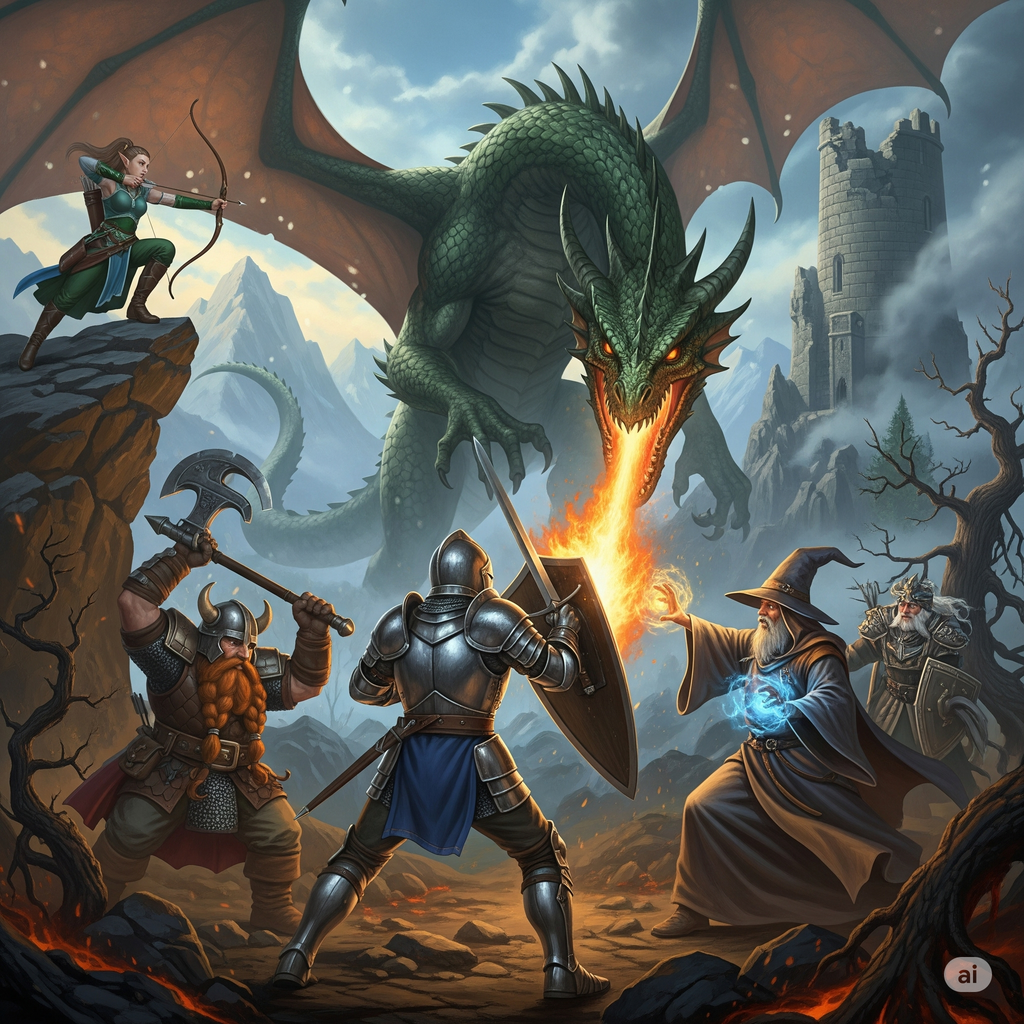
As Paizo developed its own rules, Rise of the Runelords became the testing ground. In 2008, Paizo launched a massive public playtest. They released alpha and beta versions of the Pathfinder Roleplaying Game as free PDFs. They invited the entire community to play the game and submit feedback. Tens of thousands of players participated, helping to balance classes, fix broken rules, and refine the system. This open, community-driven approach built immense goodwill and loyalty.
By the time the Pathfinder Core Rulebook was released in 2009, Paizo had a massive, enthusiastic audience ready to embrace it. They had successfully navigated the end of their magazine era by listening to a displaced fanbase and giving them exactly what they wanted: a continuation of the game they already loved.
What was the primary event that led Paizo Inc. to create the Pathfinder Roleplaying Game?
Paizo was able to create Pathfinder by using the core mechanics of D&D 3.5, which were made available to third-party publishers through what legal document?