Painting Stained Cabinets with Raised Panels
Understanding Cabinet Materials
Know Your Material
Before you can properly paint a cabinet, you need to understand what you're working with. Stained wood cabinets aren't just a single surface. They're a combination of a specific wood type, a stain that gives it color, and a protective finish on top. Each part plays a role in the final look and feel.
Common Cabinet Woods
The type of wood determines the grain pattern and how it absorbs color. You don't need to be a lumberjack to spot the differences.
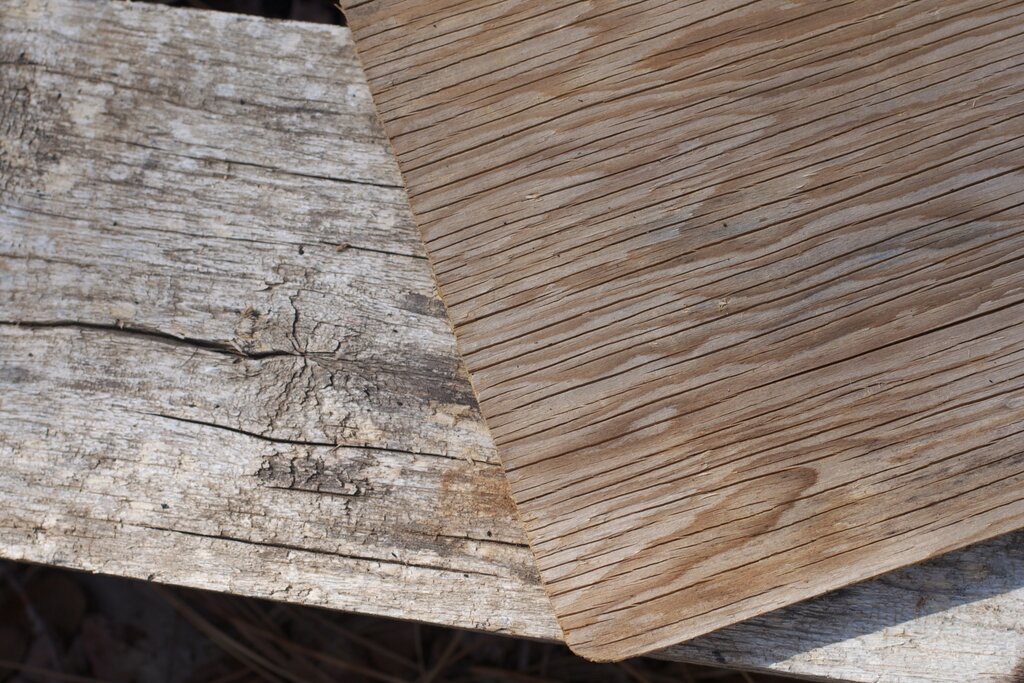
- Oak: Very common in cabinets from the 80s and 90s. It has a strong, prominent grain pattern that can be straight or wavy. This texture can sometimes show through paint if not filled properly.
- Maple: This wood is a painter's friend. It has a fine, subtle grain that creates a smooth surface. It’s a durable hardwood, making it a popular choice for modern cabinets.
- Cherry: Known for its rich color that darkens with age. Cherry has a smooth, uniform grain. Like maple, it provides a great surface for a sleek paint job.
Stains and Finishes
People often use the words "stain" and "finish" interchangeably, but they are two different things.
Stain is purely for color. It's a pigment suspended in a solvent that soaks into the wood fibers. It doesn't provide any real protection. How a wood takes stain depends on its porosity. Pine, for example, can look blotchy because it absorbs stain unevenly, while maple absorbs it more uniformly.
Finish, or top coat, is the clear protective layer applied over the stain. This is usually a polyurethane, lacquer, or varnish. Its job is to seal the wood from moisture, dirt, and wear. This is the layer that creates the sheen—from matte to high-gloss—and it’s the barrier you have to break through when preparing cabinets for paint.
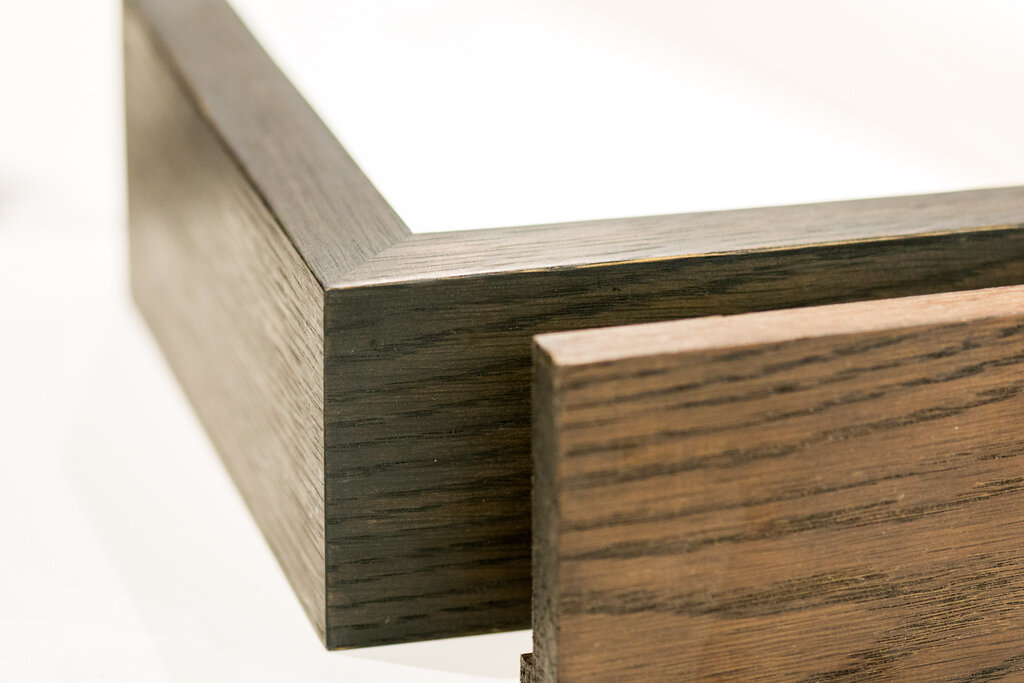
Always test stains on scrap wood before applying them to your project.
Anatomy of a Raised Panel
The most common type of stained cabinet door is the raised panel door. It’s not a single flat piece of wood. It’s a frame-and-panel construction, which allows the wood to expand and contract with humidity changes without cracking.
This construction creates grooves and detailed edges. These areas are notorious for collecting grease and grime in a kitchen. Understanding this anatomy is key because those nooks and crannies need special attention during cleaning and prep work.
Ready to check your understanding?
What is the primary purpose of the "finish" or "top coat" on a stained cabinet?
You're looking at kitchen cabinets from the 1990s with a very strong, textured grain pattern visible. What type of wood are you most likely seeing?
Now that you can identify the different components of a stained wood cabinet, you're ready to learn how to properly prepare the surface for a new look.