Paine's Common Sense for Young Patriots
Colonial America
Life in the Colonies
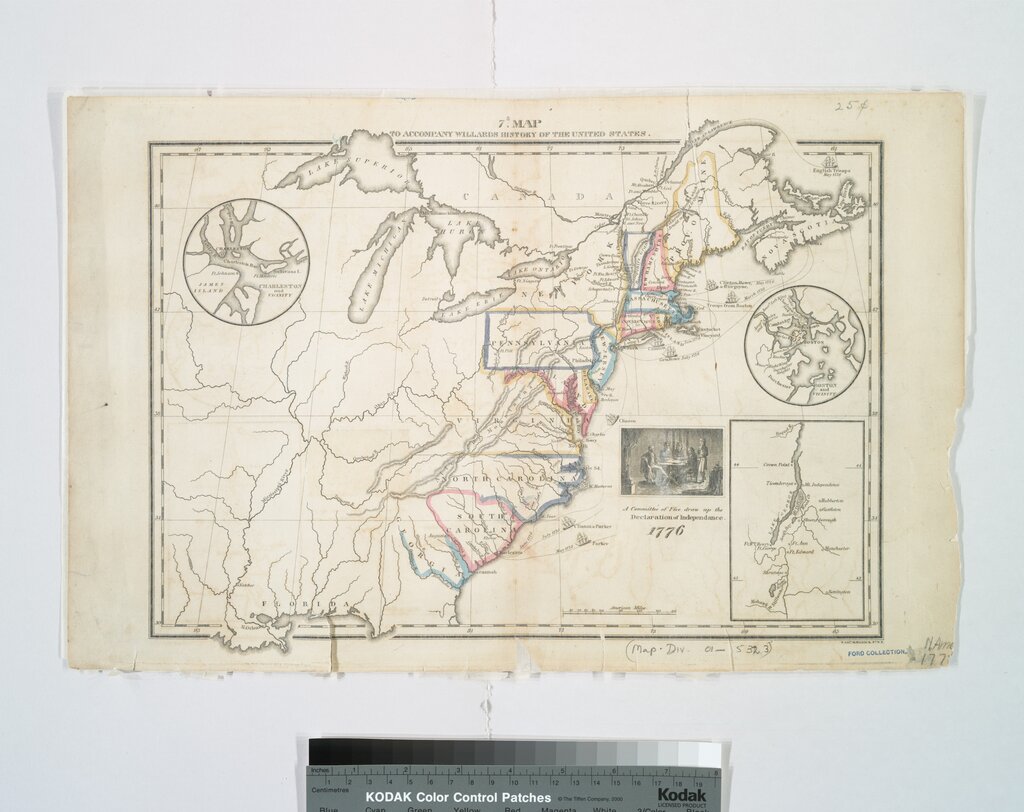
By the mid-1700s, over two million people lived in Great Britain's thirteen American colonies. This wasn't a single, unified society. Instead, it was a patchwork of different cultures, economies, and ways of life, stretched along the Atlantic coast. The population was growing fast, fed by waves of immigrants from Germany, Ireland, and Scotland, alongside the English who had first settled the land. Tragically, it also included hundreds of thousands of enslaved Africans, whose forced labor powered much of the colonial economy, especially in the South.
Life for most colonists was tied to the land. The vast majority were farmers. But the type of farm and the life that went with it varied dramatically by region.
| Region | Economy | Society |
|---|---|---|
| New England | Small farms, fishing, shipbuilding, trade. | Centered on towns and villages; strong community and religious ties. |
| Middle Colonies | Grains like wheat and corn ("breadbasket"), livestock, trade. | The most diverse region, with a mix of religions and nationalities. |
| Southern Colonies | Large plantations growing cash crops like tobacco, rice, and indigo. | Dominated by a wealthy planter class; economy heavily reliant on enslaved labor. |
Who Was in Charge?
On paper, the colonies were ruled from London. The King and Parliament had the final say. Each colony had a governor, typically appointed by the king, who acted as the Crown's representative. This governor could veto laws, appoint officials, and command the local militia.
But the reality on the ground was more complex. Colonists had their own local governments that managed day-to-day affairs. The most important part of these governments was the colonial assembly. These were legislative bodies with members elected by the colonists themselves—though the right to vote was usually restricted to white men who owned property.
These assemblies held a powerful tool: the "power of the purse." They had the authority to raise taxes and decide how to spend public money. This often led to clashes with the royal governors. If a governor wanted to fund a project the assembly disliked, they could simply refuse to raise the money. It was a constant tug-of-war for control.
This system created a unique political culture. Colonists grew accustomed to a large degree of self-rule and fiercely defended the rights of their elected assemblies.
Connected by an Ocean
The relationship between Britain and its colonies was built on trade. Under an economic system called mercantilism, the colonies were expected to benefit the mother country. They supplied raw materials like timber, tobacco, and cotton, which were shipped to Britain. In return, they were a captive market for British manufactured goods, from tools and textiles to tea.
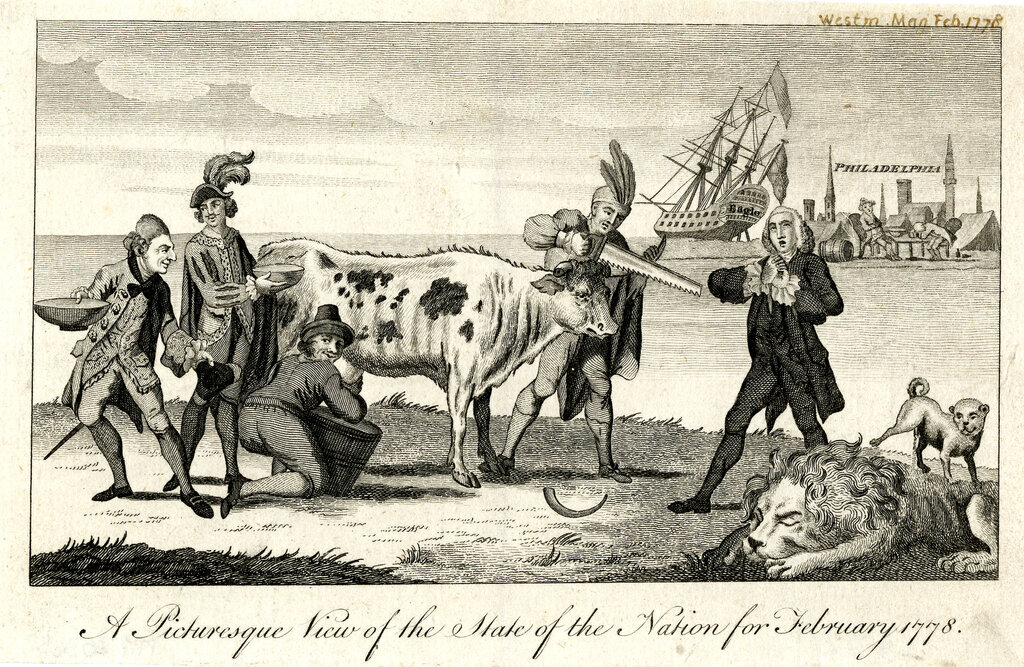
A series of laws known as the Navigation Acts enforced this system. These laws required that most colonial trade be conducted using British ships and that certain valuable goods could only be sent to Britain. While these rules were meant to enrich the mother country, they also provided the colonies with a reliable trading partner and the protection of the powerful British Navy.
Politically, colonists saw themselves as subjects of the British Crown, entitled to the same rights as people living in England. They followed the news from London, read British books, and took pride in being part of a vast, powerful empire. But the 3,000 miles of ocean separating them from London created a sense of distance and independence. Over decades, they built a society that was both British and uniquely American.
Now, check your understanding of life in 18th-century America.
According to the economic system of mercantilism, what was the primary purpose of the American colonies?
What was the "power of the purse" that colonial assemblies used to check the authority of royal governors?
This foundation of colonial life, government, and trade is the backdrop for the dramatic events to come.