Packaging Design Fundamentals
Introduction to Packaging Design
More Than Just a Box
Think about the last thing you bought at a store. Before you knew what the product was like, you saw its package. That first impression is the work of packaging design. It’s the art and science of enclosing or protecting products for distribution, storage, sale, and use. But it's much more than just a protective shell.
Packaging design has two core jobs: to protect what’s inside and to sell what’s inside.
First, it serves a practical purpose. A package prevents a product from getting damaged on its journey from the factory to your home. It makes it easy to stack on a shelf and convenient for you to carry. Second, it serves as a powerful marketing tool. On a crowded shelf, the package is what catches your eye and tells you what a brand is all about.
The Three Pillars of Packaging
Effective packaging design balances three key elements: functionality, aesthetics, and branding. When these three work together, they create a package that is both useful and desirable.
Functionality: Does it work? Aesthetics: Does it look good? Branding: Does it represent the company?
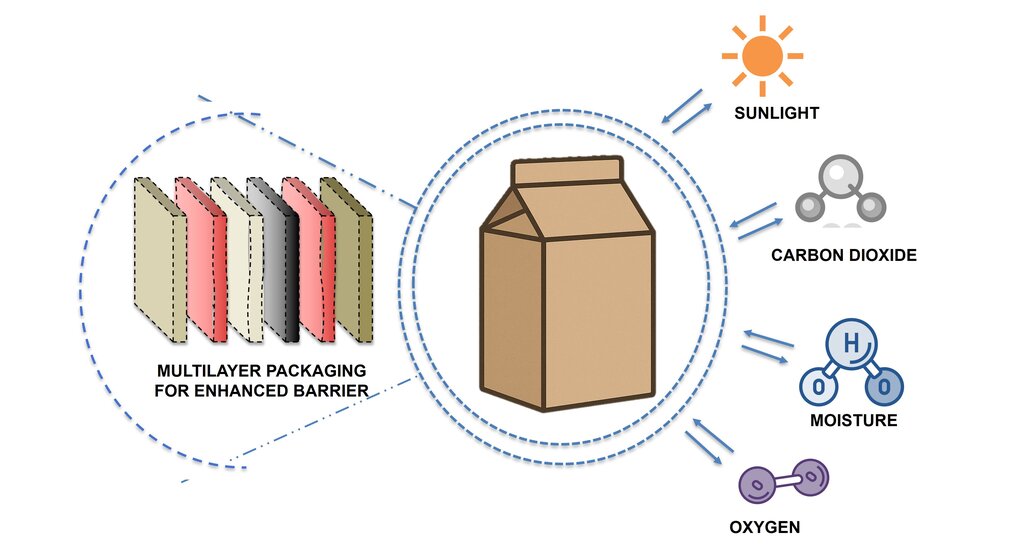
Functionality is the most basic job of a package. It must reliably protect its contents. This means it needs to be sturdy enough for shipping and designed for easy storage. It also considers the user's experience. Is a bottle easy to hold and pour? Can you reseal a bag of chips to keep them fresh? A well-designed package thinks through all these practical details. The structure itself is a key part of the design.
Next comes aesthetics, or the visual appeal of the package. This is about how the package looks and feels. It involves the choice of colors, fonts, images, and overall layout. The goal is to create something that looks attractive and stands out from the competition. A unique shape or a pleasing texture can make a product more memorable and appealing.
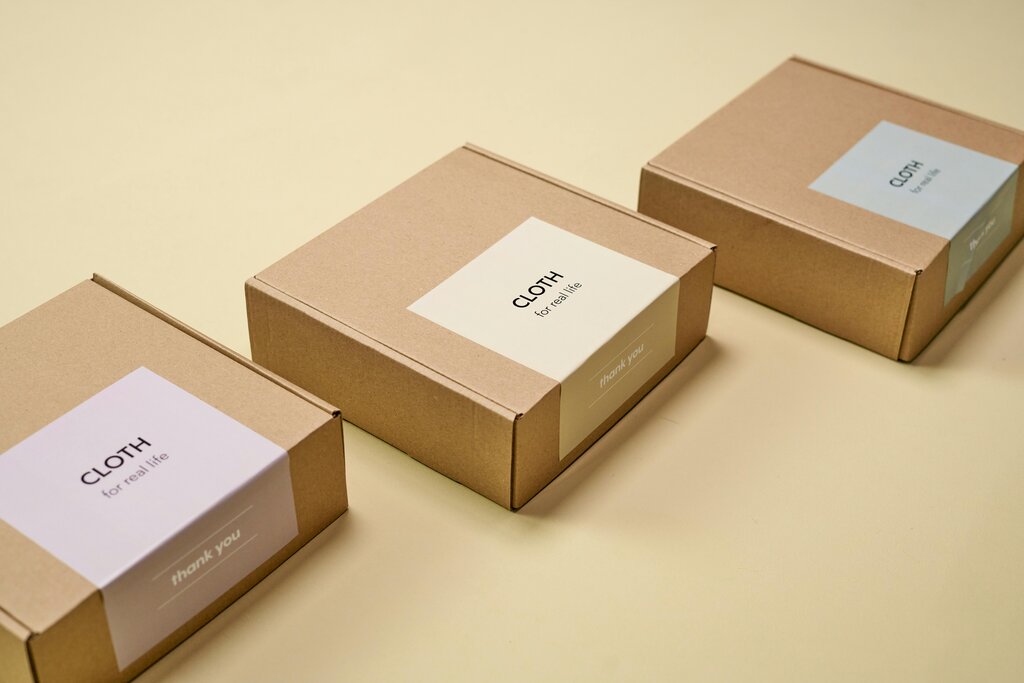
Finally, branding ensures the package tells the right story. The design should instantly communicate the brand's identity and values. Is the brand luxurious, eco-friendly, or fun? The packaging should reflect that personality. This is achieved through consistent use of logos, color schemes, and typography that align with the company's overall brand. The package is a critical touchpoint for building brand recognition.
The Silent Salesperson
In a retail environment, packaging acts as a silent salesperson. With thousands of products competing for attention, a package has only a few seconds to make an impression. It’s the first, and sometimes only, point of contact between the consumer and the product before a purchase is made.
Packaging and labeling is the first level of engagement a customer has with your product, so visual appeal is key.
Effective packaging can heavily influence our buying decisions. A clean, professional design might signal high quality and trustworthiness. Bright, playful colors can attract children or signal a fun, casual product. The shape, material, and graphics all send subconscious messages that help us quickly evaluate a product and decide if it’s right for us. It can evoke emotions and create a connection, turning a simple product into something we desire.
Ready to test your knowledge on the fundamentals of packaging design?
What are the two primary, overarching purposes of packaging design?
A company designs a new cereal box that is sturdy, easy for customers to hold and pour, and has a reliable resealable top. Which key element of packaging design do these features best represent?