Pacific Northwest Avalanches for Snowboarders
Avalanche Basics
What Is an Avalanche?
At its core, an avalanche is a rapid flow of snow down a slope, like a mountain or hill. Think of it as a landslide, but with snow instead of rock and mud. When the force of gravity pulling the snow downhill becomes greater than the strength of the snow holding it in place, things start to move. A small slide might be just a dusting of loose powder, but a large one can involve millions of tons of snow, ice, and debris, moving faster than a race car.
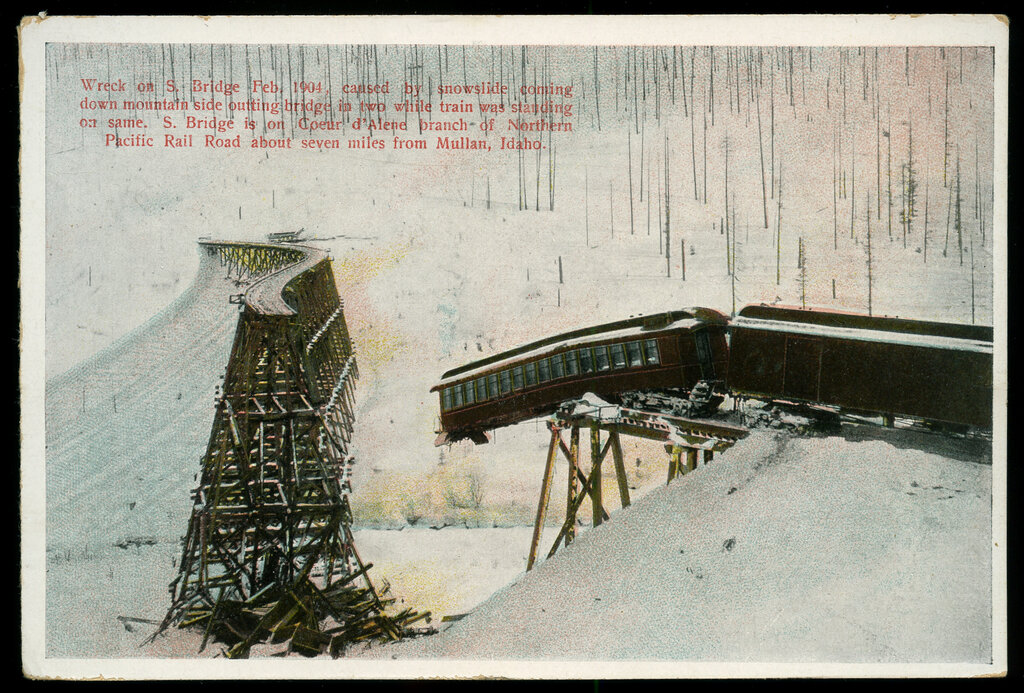
These events aren't random. They happen when the right conditions of terrain, weather, and snowpack come together. Understanding these basics is the first step for anyone who wants to ride safely in the backcountry.
Types of Avalanches
Not all avalanches are the same. They generally fall into two main categories: loose snow avalanches and slab avalanches.
Loose snow avalanches start at a single point and gather more snow as they move downhill, fanning out into a characteristic teardrop or inverted 'V' shape. They usually involve only the top layer of fresh, unconsolidated snow. While often smaller, they can still be dangerous, knocking you off your feet and carrying you into obstacles.
Slab avalanches are the more dangerous and notorious type. They occur when a cohesive layer of snow (a 'slab') breaks off from the surrounding snowpack and slides downhill as a single block. This leaves a sharp fracture line at the top, known as a crown. These slabs can be enormous—hundreds of feet wide and several feet deep—and are responsible for the vast majority of avalanche fatalities.
Loose snow avalanches start from a point and grow. Slab avalanches involve a whole sheet of snow breaking off at once.
You might also hear the term powder cloud avalanche or dry-snow avalanche. This isn't a separate category but a type of avalanche, often a slab, composed of cold, low-density snow. As it descends, the snow mixes with air to form a turbulent, aerosol-like cloud that can move at incredibly high speeds, generating a powerful and destructive blast of air in front of it.
How Avalanches Form
An avalanche is born from instability within the snowpack. Snow doesn't fall into a uniform, fluffy blanket. Instead, it forms distinct layers over the winter, each with different properties based on the weather when it fell and what's happened to it since. Some layers are strong and well-bonded, while others are weak and fragile.
snowpack
noun
The total accumulation of snow and ice on the ground at a particular time, consisting of multiple layers built up over a season.
The recipe for a slab avalanche has three key ingredients:
- A solid slab: A layer of stiff, cohesive snow sitting on top.
- A weak layer: A fragile layer of snow underneath the slab. This could be light, feathery snow, icy crusts, or faceted crystals called hoarfrost that don't bond well.
- A steep enough slope: Generally, most avalanches occur on slopes between 30 and 45 degrees.
Imagine a book (the slab) resting on a layer of marbles (the weak layer) on a tilted table (the slope). The setup is precarious. The slab is poorly connected to the snow beneath it. All it needs is a trigger.
The final element is a trigger. This could be natural, like new snow or rain adding weight to the slab, or a rapid temperature change. Often, the trigger is a person. The weight of a snowboarder, skier, or snowmobiler can be just enough to cause the weak layer to collapse, causing the slab above to fracture and slide.
Ready to check your understanding? Let's see what you've learned about the fundamentals of avalanches.
What is the primary factor that causes a slab avalanche to occur?
Which type of avalanche is responsible for the vast majority of avalanche-related fatalities?
Knowing what an avalanche is and how it forms is the foundation for all backcountry safety. With this knowledge, you can start to learn how to spot the warning signs out on the mountain.