P2P Arbitration Explained
Introduction to Dispute Resolution
Ways to Settle a Disagreement
Disagreements are a part of life. When they can't be resolved informally, a more structured process is needed. Dispute resolution refers to the different ways people or organizations can settle conflicts. The goal is to find a solution without letting the conflict escalate.
Conflict resolution is the process of addressing and resolving disagreements in a way that satisfies all parties involved.
There isn't a one-size-fits-all approach. The best method depends on the nature of the dispute, the relationship between the parties, and the desired outcome. Let's explore the three most common methods: litigation, arbitration, and mediation.
Litigation: The Courtroom Path
When you think of a legal battle, you're probably picturing litigation. This is the traditional method of resolving disputes through the public court system. A plaintiff files a lawsuit against a defendant, and the case is eventually heard by a judge or a jury, who then makes a decision.
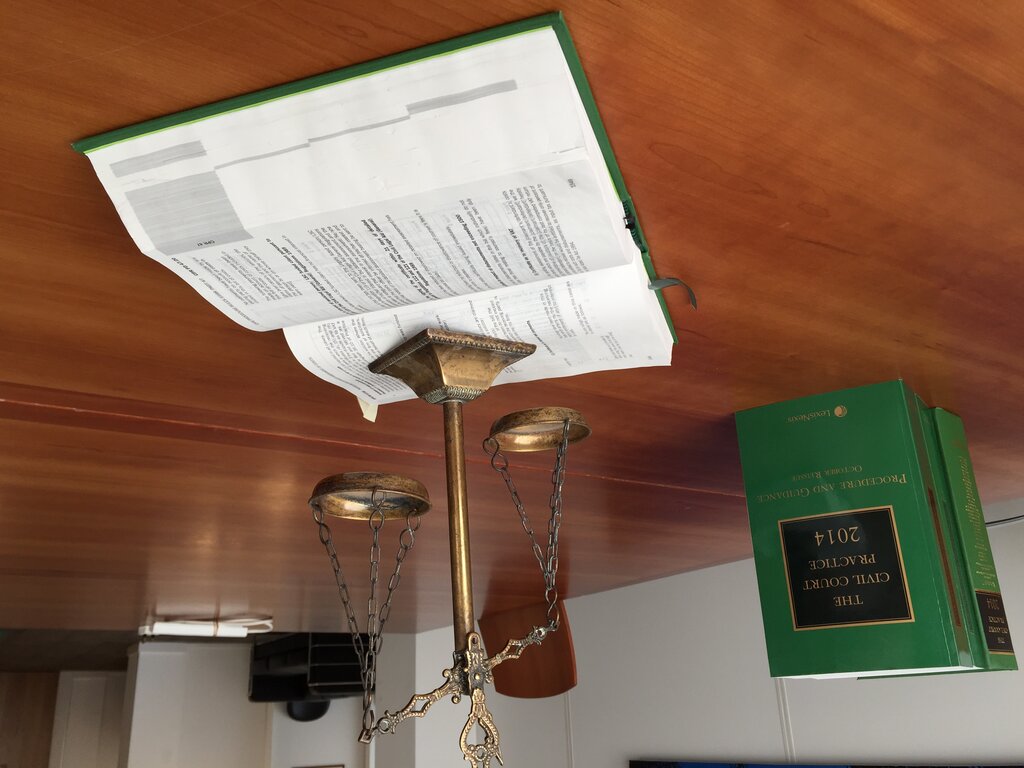
The process is highly structured and formal, governed by strict rules of procedure and evidence. It's an adversarial system, meaning each side presents its case, and the judge or jury determines the winner. The final decision, or judgment, is legally binding and can be enforced by the state. While litigation ensures a formal and definitive resolution, it can be a lengthy, expensive, and public process. Everything that happens in court is typically part of the public record.
Arbitration: A Private Alternative
Arbitration is like a private trial. Instead of going to court, the parties in conflict agree to present their cases to a neutral third party, called an arbitrator. Sometimes it's a panel of three arbitrators. They listen to the evidence and arguments from both sides and then make a decision.
The key feature of arbitration is that the arbitrator's decision, known as an "award," is usually legally binding and final, with limited grounds for appeal.
This process is generally faster, less formal, and more private than litigation. The parties often have more say in the process, including choosing the arbitrator (often someone with expertise in the subject of the dispute) and deciding on the rules that will be followed. Because it's a private process, the details of the dispute and the outcome are not made public. It is a common method for resolving commercial and employment disputes.
Mediation: Finding Common Ground
Mediation is a more collaborative and flexible approach. A neutral third party, the mediator, helps the parties have a constructive conversation. The mediator doesn't make a decision or impose a solution. Instead, their job is to facilitate communication and guide the parties toward finding their own mutually acceptable agreement.
Unlike litigation and arbitration, the outcome of mediation is not binding unless the parties sign a formal settlement agreement. The process is completely voluntary and confidential. The focus is on finding a win-win solution that preserves the relationship between the parties, which can be especially important in family or business disputes. If the parties can't reach an agreement, they are still free to pursue other options like arbitration or litigation.
Comparing the Methods
Each method has its own strengths and weaknesses. Choosing the right one depends entirely on the situation.
| Feature | Litigation | Arbitration | Mediation |
|---|---|---|---|
| Decision Maker | Judge / Jury | Arbitrator(s) | The parties themselves |
| Outcome | Binding judgment | Binding award | Non-binding until an agreement is signed |
| Formality | High (strict rules) | Moderate (flexible rules) | Low (informal) |
| Privacy | Public record | Private | Confidential |
| Speed | Slow | Faster than litigation | Can be very fast |
| Cost | High | Can be high, often less than litigation | Generally the least expensive |
| Control | Low (parties have little control over process) | Moderate (parties can choose arbitrator and rules) | High (parties control the outcome) |
Understanding these fundamental methods provides a strong foundation for navigating conflicts. They offer a spectrum of options, from a formal, legally binding court decision to a collaborative, self-directed agreement.
Ready to check your understanding?
What is the primary role of a mediator in a dispute?
Which method of dispute resolution is typically public and creates a formal record?