Oxford PPE The Controversial Degree
Origins and Evolution
A Modern Education
For centuries, the path through the University of Oxford for aspiring leaders was clear: study the classics. A degree in Literae Humaniores, known as 'Greats,' immersed students in the languages, history, and philosophy of ancient Greece and Rome. The thinking was that mastering the ancient world was the best preparation for running a modern one.
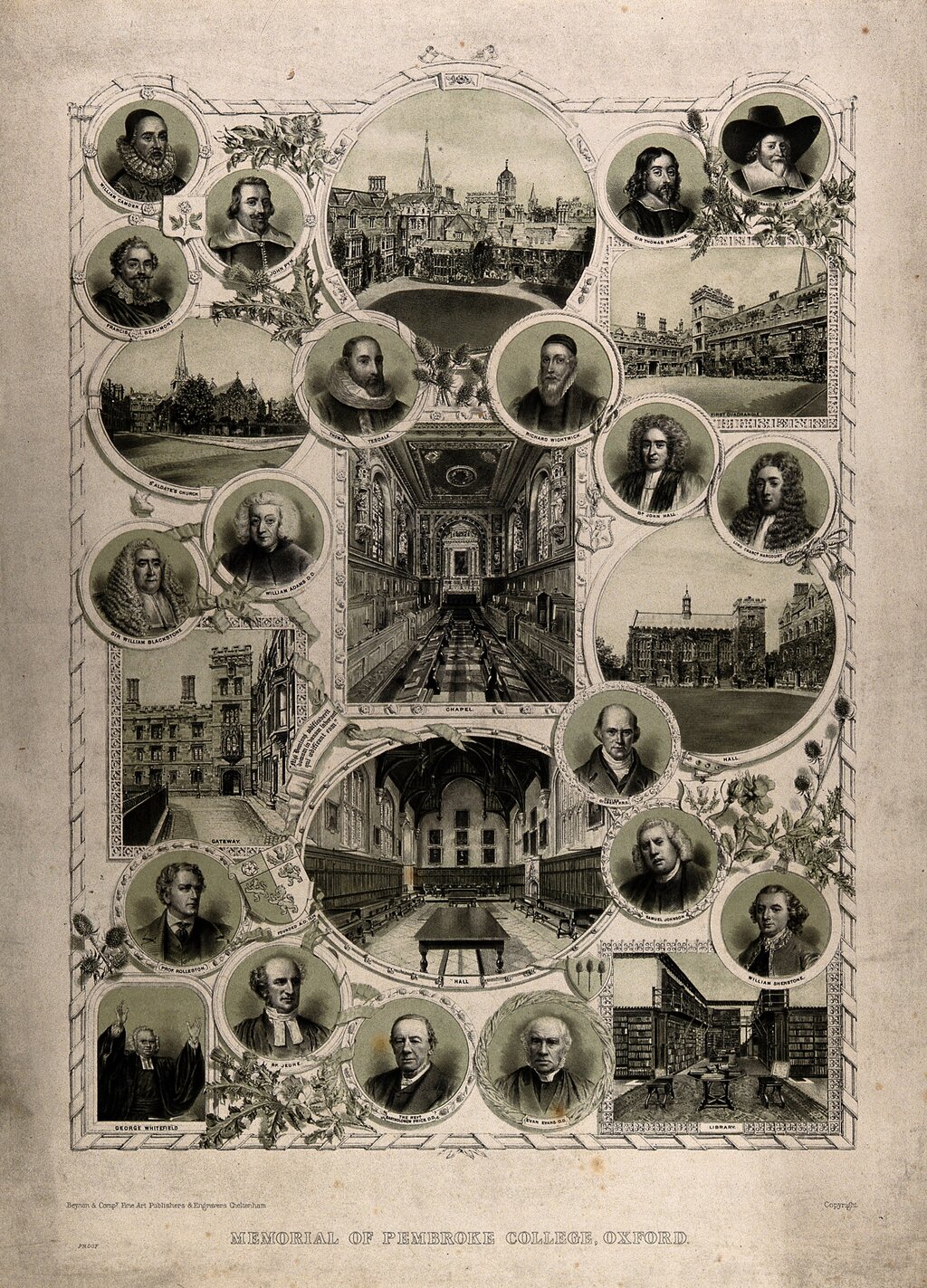
But by the early 20th century, some felt this approach was no longer enough. The world had changed dramatically. The industrial revolution, the rise of global trade, and the complexities of modern government demanded a new kind of training. In 1920, Oxford introduced a radical new degree: Philosophy, Politics, and Economics, or PPE.
The goal of PPE was to equip students with the tools to understand and manage the workings of contemporary society, from the logic of human reasoning to the structures of government and the flow of capital.
The First Curriculum
The original PPE course was designed as a direct modern counterpart to Greats. It aimed to provide a comprehensive education for those entering public service, journalism, and finance. The curriculum was broad, requiring students to engage with all three branches of the degree for their entire course of study.
Early students would have read foundational texts in all three fields. In philosophy, they might tackle Plato's Republic and John Stuart Mill's Utilitarianism. In politics, they'd study Aristotle's Politics and the workings of the British Parliament. In economics, they would dive into Adam Smith's The Wealth of Nations and the emerging theories of John Maynard Keynes.
Greats
noun
The informal name for Literae Humaniores, a prestigious undergraduate course at the University of Oxford focused on Classics, ancient history, and philosophy.
The focus was on interdisciplinary thinking. Students were expected to see the connections between philosophical ideas, political systems, and economic realities. How does a society's conception of justice (philosophy) shape its laws and institutions (politics), and how do those in turn affect its economic outcomes (economics)?
Evolution and Expansion
Over the decades, the PPE curriculum evolved. As each field grew more specialized, the requirement to study all three subjects equally for the entire degree was relaxed. In the 1970s, Oxford began allowing students to specialize in their second and third years, often dropping one of the three subjects to focus on the other two. For example, a student might choose to concentrate on Politics and Economics, or Philosophy and Politics.
| Era | Curriculum Focus |
|---|---|
| 1920s-1960s | Mandatory study of all three subjects (P, P, E) for the full degree. |
| 1970s-Present | Students study all three subjects in the first year, then specialize in two subjects for the remaining years. |
The success and prestige of the Oxford degree did not go unnoticed. Other universities saw the value in its interdisciplinary approach. Throughout the 20th and into the 21st century, institutions around the world began offering their own versions of PPE. Today, you can find PPE programs at universities in the United States, Canada, Australia, South Africa, and across Europe and Asia.
While each program has its own unique character and curriculum, they all share the original vision from 1920: to create well-rounded thinkers prepared to tackle the complex challenges of the modern world.
Let's review the key ideas from the origins of this influential degree.
Now, check your understanding of how PPE came to be.
What was the primary motivation for creating the Philosophy, Politics, and Economics (PPE) degree at Oxford in 1920?
The original PPE course at Oxford was designed as a modern counterpart to which traditional degree?
From its inception as a modern alternative to the classics, PPE has grown into a globally recognized degree, adapting its curriculum while holding onto its core interdisciplinary mission.