Overcoming Stress and Task Avoidance
Understanding Stress
What Is Stress?
Stress is your body's natural response to any demand or threat. When you sense danger, whether it's real or imagined, your body's defenses kick into high gear in a rapid, automatic process known as the "fight-or-flight" reaction. This response is designed to protect you.
But not all stress is bad. It can be a powerful motivator, pushing you to meet a deadline or perform well. This positive form of stress is called eustress. It's the excitement you feel before a big game or the nervous energy that helps you ace a presentation. It feels manageable and can even be enjoyable.
Distress, on the other hand, is the negative type of stress we usually think of. It's the feeling of being overwhelmed, anxious, and unable to cope. This can be caused by short-term challenges, like a traffic jam, or long-term issues, like financial trouble or chronic illness.
Eustress is constructive and motivating. Distress is destructive and draining.
The Body's Alarm System
When you encounter a perceived threat, a tiny region at the base of your brain, the hypothalamus, sets off an alarm. This system prompts your adrenal glands to release a surge of hormones, including adrenaline and cortisol.
Adrenaline increases your heart rate, elevates your blood pressure, and boosts energy supplies. Cortisol, the primary stress hormone, increases sugars (glucose) in the bloodstream, enhances your brain's use of glucose, and increases the availability of substances that repair tissues. It also curbs functions that would be nonessential or detrimental in a fight-or-flight situation.
This complex hormonal cascade is known as the hypothalamic-pituitary-adrenal (HPA) axis. It's a finely tuned system that alters your mood, motivation, and fear response. Once the threat has passed, hormone levels return to normal. Your heart rate and blood pressure drop, and other systems resume their regular activities.
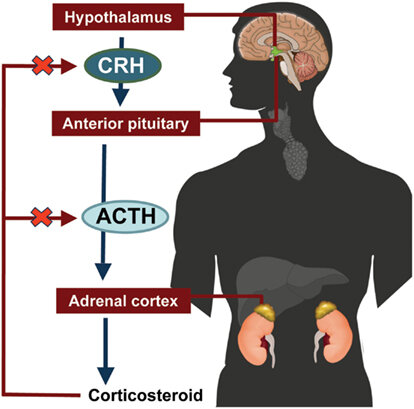
However, when stressors are always present and you constantly feel under attack, that fight-or-flight reaction stays turned on. The long-term activation of the stress-response system and the overexposure to cortisol and other stress hormones can disrupt almost all your body's processes. This puts you at increased risk for numerous health problems.
How Stress Affects the Mind
Stress doesn't just impact your body; it profoundly affects your mind. Psychologically, short-term stress can lead to irritability, anxiety, and trouble concentrating. You might find it hard to make decisions or feel a constant sense of unease.
When stress becomes chronic, the mental effects can be more severe. Prolonged exposure to cortisol can disrupt synapse regulation, leading to a loss of sociability and the avoidance of interactions. It can impair brain function, making it harder to learn and remember things. This is why you might feel mentally foggy or forgetful when you're under a lot of pressure.
Over time, chronic stress can contribute to serious mental health issues like depression, anxiety disorders, and burnout. It drains your mental resources, leaving you feeling emotionally exhausted and cynical.

Common Stressors
Stressors are the events or conditions in your environment that cause you to feel stress. They can be big, one-time events or small, daily hassles that pile up. Recognizing your personal stressors is the first step toward managing their impact.
These triggers can vary widely from person to person. What one person finds stressful, another might find exciting. Your genetics, life experiences, and coping style all influence how you react to a potential stressor. Below are some of the most common sources of stress.
| Category | Examples |
|---|---|
| Work/School | Heavy workload, tight deadlines, exams, difficult colleagues or classmates |
| Financial | Debt, unexpected bills, job loss, worrying about saving for the future |
| Relationships | Conflict with a partner, family arguments, divorce, loneliness |
| Major Life Changes | Moving, getting married, having a baby, death of a loved one, illness |
| Daily Hassles | Traffic, losing your keys, running late, technology problems |
Now that you can identify what stress is and where it comes from, you can start to understand its connection to your daily habits and behaviors. Let's review the key ideas before moving on.
Ready to check your understanding?
What is the primary function of the body's 'fight-or-flight' reaction?
The excitement and nervous energy you feel before a big performance, which helps you perform well, is an example of:
Understanding the basics of stress provides a foundation for exploring how it influences our actions and what we can do about it.