Overcoming Spiritual Evils
Understanding Spiritual Evil
The Nature of Spiritual Evil
In Christian thought, evil isn't just the sum of bad human choices. It's also understood as a spiritual force, an active intelligence that stands in opposition to God. This is often called spiritual evil. It's not a vague negativity but a specific will with a purpose: to disrupt, corrupt, and separate creation from its creator.
Spiritual evil is defined by its rebellion against God's goodness, order, and love. It seeks to introduce chaos where there is harmony and despair where there is hope.
The Origin Story
Christian theology traces the origin of this evil to a celestial rebellion. The story begins with an archangel, often identified as Lucifer, who was one of the most powerful and beautiful beings created by God. Driven by pride and a desire to be equal with God, he chose to rebel against his creator.
This act of rebellion was not a solitary one. A host of other angels joined Lucifer in his dissent. The result was a spiritual war in heaven, which ended with Lucifer and his followers being cast out. From this point on, Lucifer became known as Satan, a name that means "the accuser" or "adversary."
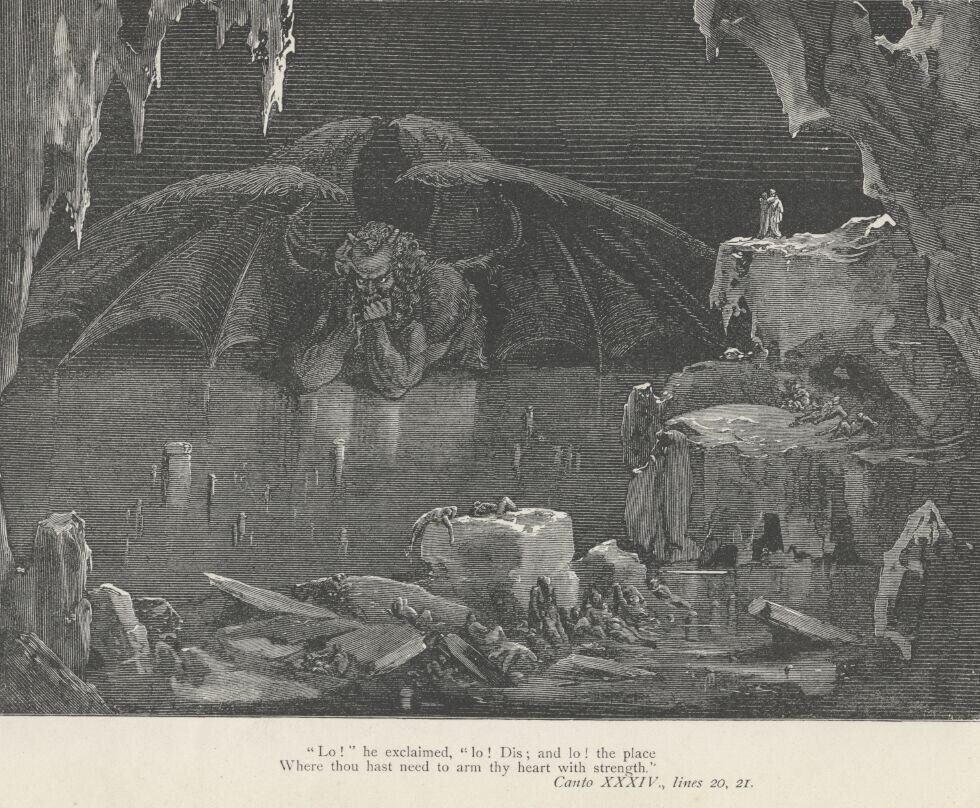
The angels who fell with him are referred to as fallen angels or demons. They are not independent agents of chaos but serve the same objective as their leader: to oppose God's will and influence humanity to do the same. They form a hierarchy of malevolent spiritual beings.
Influence on Humanity
The first interaction between this spiritual evil and humanity is famously recorded in the biblical book of Genesis. In the Garden of Eden, Satan, appearing as a serpent, approached Eve and tempted her to disobey God's single command: not to eat from the Tree of the Knowledge of Good and Evil.

Satan's method wasn't brute force, but deception. He twisted God's words, questioned His motives, and promised a false benefit—that Adam and Eve would become "like God." This act introduced sin and separation into the world, demonstrating the primary strategy of spiritual evil: to deceive humans into choosing a path away from God through lies and half-truths.
The core of Satan's influence is temptation, which plants a seed of doubt about God's goodness and encourages self-reliance over faith.
Throughout Christian scripture, Satan is depicted as the "prince of this world" and a "liar and the father of lies." His actions are consistently aimed at thwarting God's plan for humanity. This theological framework sees evil not just as a human problem, but as an ongoing spiritual conflict where humanity is the battleground.
Temptation
noun
An enticement or invitation to sin, often by presenting a wrong action as good, pleasing, or desirable.
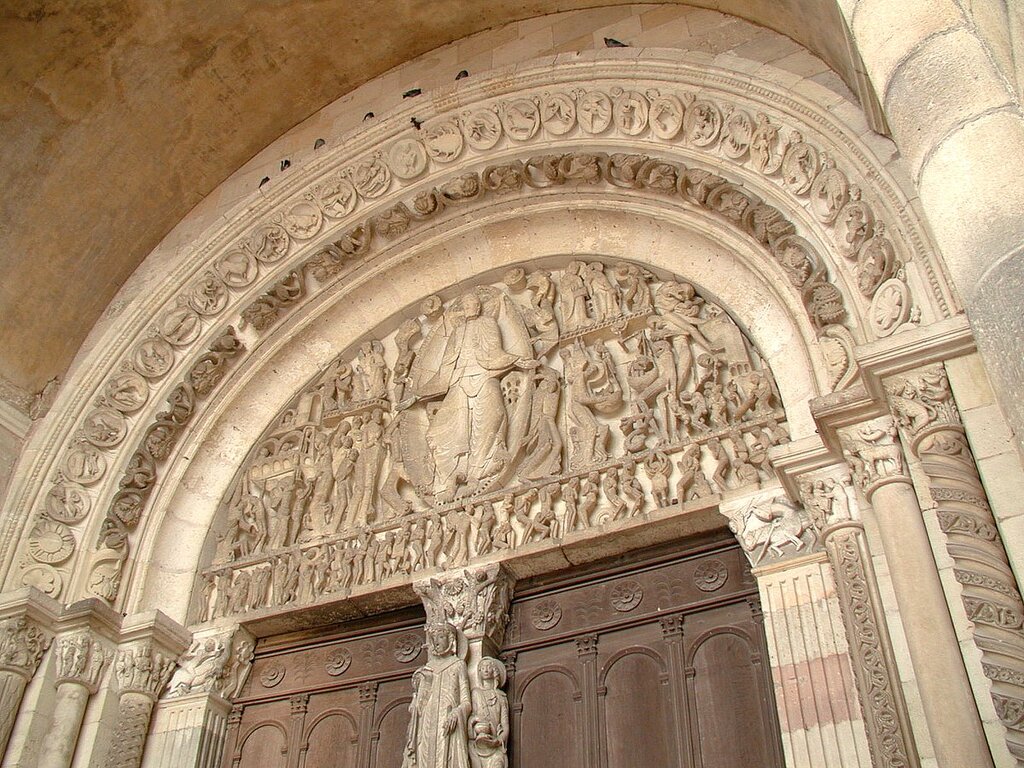
Christian theology portrays this conflict in various ways. Medieval art, for instance, often depicted demons and the devil in grotesque, monstrous forms to visualize the horror of evil. However, the underlying theology emphasizes that the true danger of spiritual evil lies in its subtlety and intelligence, its ability to disguise itself as something desirable or even righteous.
Let's review these concepts before we test your knowledge.
Now, check your understanding of these foundational ideas.
According to Christian theology, what was the primary motivation for the archangel Lucifer's rebellion against God?
After being cast out of heaven, Lucifer became known as Satan. What does the name 'Satan' mean?
Understanding the nature and origin of spiritual evil is the first step in recognizing its influence. It frames the struggle not as a simple matter of human failing, but as a dimension of a larger spiritual reality.