Overcoming Imposter Syndrome
Understanding Imposter Syndrome
That Fraudulent Feeling
Have you ever felt like you don't deserve your success? Maybe you aced a test and thought it was just luck. Or you got a promotion and worried that you'd soon be exposed as unqualified. This persistent feeling of being a fraud, despite evidence of your competence, has a name: imposter syndrome.
It's the internal experience of believing that you are not as competent as others perceive you to be. You feel like a fake, and you're terrified of being found out.
This isn't a rare feeling. Studies suggest that up to 82% of people experience imposter syndrome at some point in their lives. It affects people across all genders, professions, and backgrounds, from students to CEOs. The feeling isn't a sign of weakness or a true lack of skill. Instead, it's a disconnect between your accomplishments and how you feel about them.
Signs and Symptoms
Recognizing imposter syndrome starts with spotting its common patterns. People experiencing it often share a specific set of behaviors and beliefs.
| Symptom | Description |
|---|---|
| Perfectionism | Setting excessively high standards for yourself. Even a small mistake can feel like a total failure, reinforcing the belief that you're not good enough. |
| Overworking | You might work harder than necessary to prevent others from discovering you're an imposter. This can lead to burnout. |
| Downplaying Success | Attributing achievements to luck, timing, or other external factors rather than your own abilities. You might say things like, "I just got lucky," or "Anyone could have done it." |
| Fear of Failure | An intense fear of not living up to expectations. This anxiety can be paralyzing and prevent you from taking on new challenges. |
| Difficulty Accepting Praise | Compliments can feel undeserved or make you uncomfortable because they contradict your internal feelings of inadequacy. |
These symptoms create a cycle of self-doubt. A new task creates anxiety, which leads to either procrastination or intense over-preparation. When you succeed, you don't feel relief or pride. Instead, you attribute the success to luck (if you procrastinated) or sheer effort (if you over-prepared), not your actual ability. The cycle then repeats with the next challenge.
Roots of the Feeling
So, where does this feeling come from? It's usually a mix of internal personality traits and external social pressures.
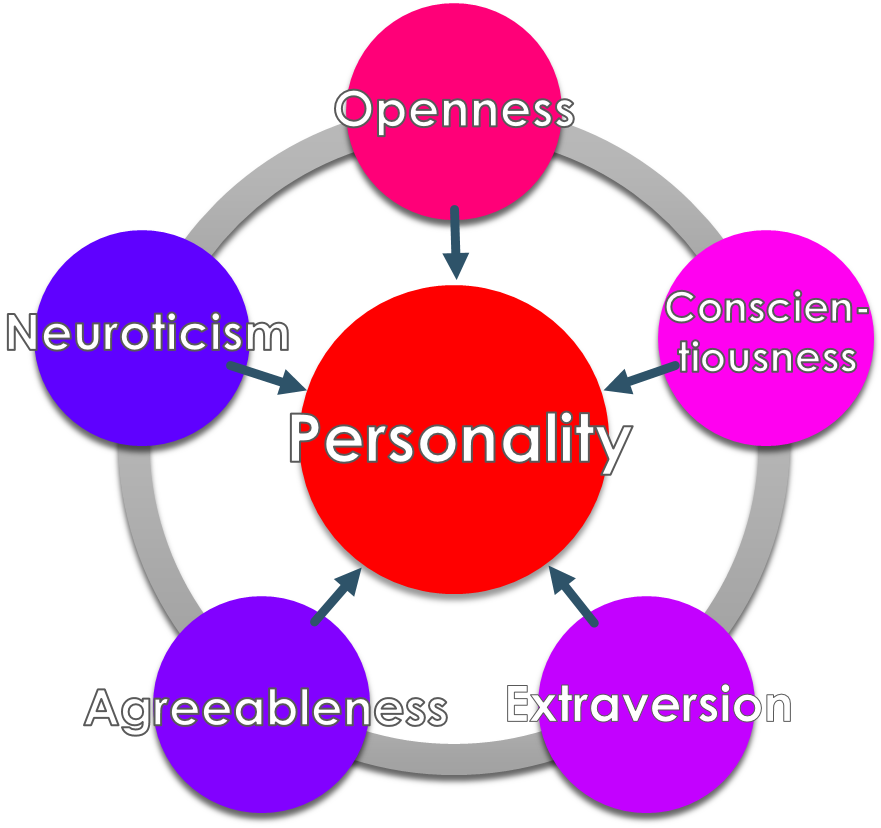
On the psychological side, certain personality traits can make someone more susceptible. People high in neuroticism, a trait associated with anxiety, worry, and self-doubt, are more likely to experience these feelings. Perfectionism is another major contributor. If your self-worth is tied to flawless performance, any perceived imperfection can trigger feelings of being a fraud.
Social and cultural factors also play a significant role. Growing up in a family that placed a heavy emphasis on achievement can set the stage. If love and praise were conditional on high performance, you might internalize the belief that you are only as good as your last success.
Workplace dynamics can also fuel imposter syndrome. Environments that are highly competitive, that lack constructive feedback, or where roles are not clearly defined can heighten feelings of inadequacy. Similarly, being part of an underrepresented group in a particular field can amplify these feelings, as you may feel extra pressure to prove you belong.
Understanding these factors is the first step. Recognizing that this feeling is a common psychological pattern—not a reflection of your actual abilities—helps to see it for what it is.