Overcoming Addiction
Understanding Addiction
What Is Addiction?
Addiction is a chronic disease of the brain's reward and motivation systems. It’s not a choice or a moral failing. It compels someone to seek out a substance or engage in a behavior, despite knowing the harmful consequences. This powerful urge can overshadow everything else in a person's life.
addiction
noun
A treatable, chronic medical disease involving complex interactions among brain circuits, genetics, the environment, and an individual’s life experiences.
There are two main categories of addiction. Substance addictions involve the use of drugs or alcohol. Behavioral addictions involve compulsive engagement in activities like gambling, shopping, or gaming. Both types hijack the same brain pathways, creating a cycle that's difficult to break.
The Brain's Reward System
Your brain has a built-in system to reward you for doing things that help you survive, like eating or spending time with loved ones. When you do something enjoyable, a circuit of neurons releases a chemical called dopamine. It’s the brain’s way of saying, “That was good. Do it again.”
This dopamine signal creates feelings of pleasure and reinforces the behavior, making you more likely to repeat it in the future. It’s a fundamental learning process.
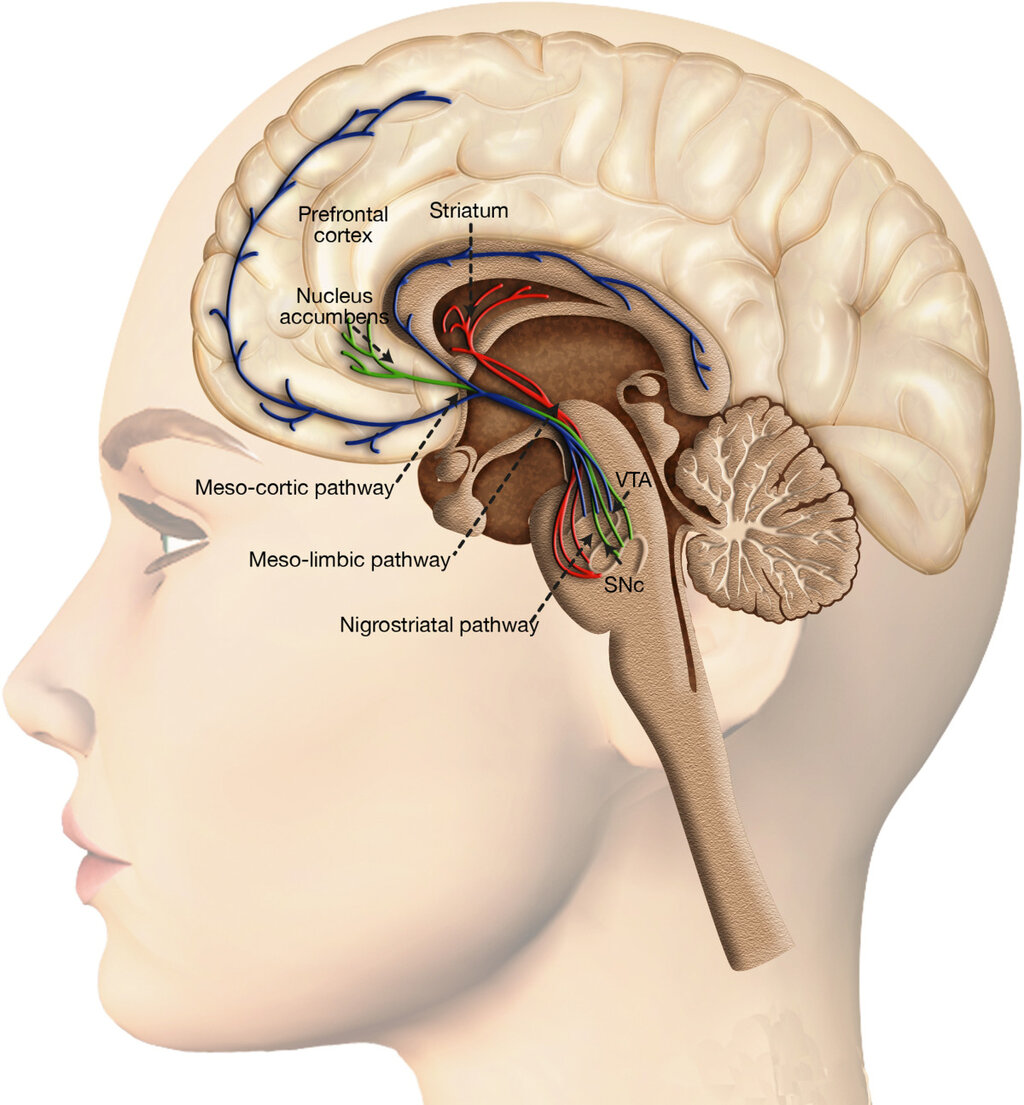
Drugs and alcohol flood this reward system with far more dopamine than natural rewards ever could. This intense chemical surge creates a powerful feeling of euphoria. The brain registers this as an extremely important event, creating a strong memory and a powerful urge to repeat the experience.
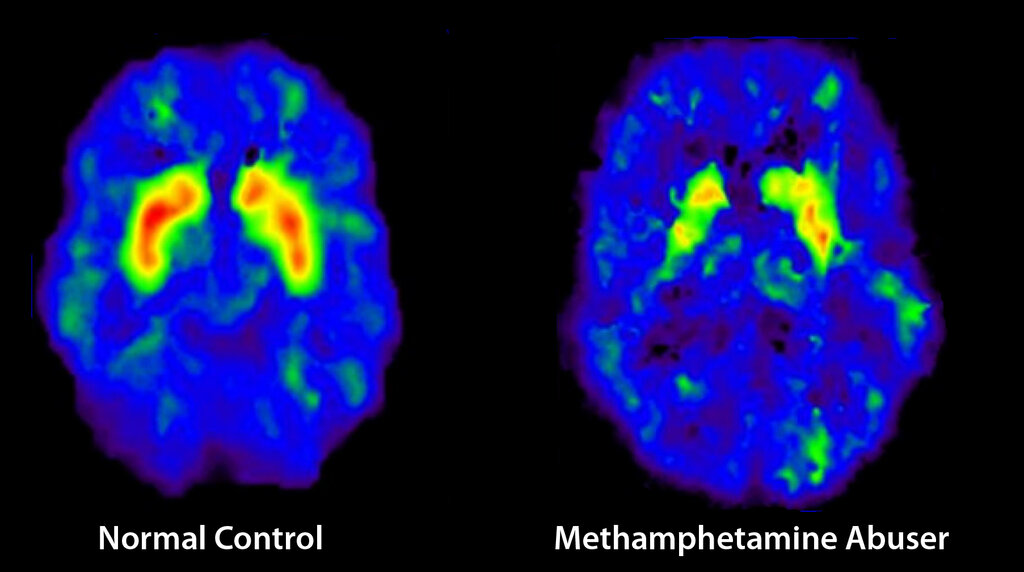
Over time, the brain adapts. It starts producing less dopamine on its own or reduces the number of dopamine receptors. This is called tolerance. The person now needs to use more of the substance just to feel normal, let alone to achieve the initial high. If they stop using, they experience withdrawal—unpleasant physical and psychological symptoms—because their brain has become dependent on the substance to function.
A Mix of Factors
While brain chemistry is central to addiction, it’s not the whole story. Several factors can increase a person’s vulnerability to developing an addiction.
-
Genetics: Addiction can run in families. Certain genes can make a person more susceptible to the effects of drugs or more likely to engage in compulsive behaviors.
-
Environment: A person's surroundings play a huge role. Factors like peer pressure, stress, trauma, and a lack of family support can increase the risk of addiction. Easy access to drugs or alcohol is also a significant environmental factor.
-
Mental Health: Addiction often goes hand-in-hand with other mental health conditions like depression, anxiety, or post-traumatic stress disorder (PTSD). People may turn to substances to self-medicate and cope with the symptoms of these disorders, creating a cycle of co-occurring conditions.
Addiction is rarely caused by a single factor. It's usually a complex interplay between a person's biology, psychology, and social environment.
Let's check in on what we've covered.
Now, let's test your knowledge.
Addiction is best described as:
How do addictive substances like drugs and alcohol interact with the brain's reward system?
Understanding these core components—the brain's reward system, the development of tolerance and dependence, and the various contributing factors—is the first step in demystifying addiction.