Outsourcing Risk Management and EBA Guidelines
Introduction to Outsourcing
What Is Outsourcing?
At its core, outsourcing is simple: it's when a company hires another company to handle a task or process that it could otherwise do itself. For a financial institution, this could mean anything from managing its IT help desk to processing customer loan applications. Instead of building an entire department in-house, the bank pays a specialized third-party vendor to do the work.
Think of it like a restaurant. The restaurant could bake its own bread, but it might decide to buy bread from a local bakery instead. The bakery specializes in bread, can probably make it better and more efficiently, and frees up the restaurant's kitchen to focus on its main dishes. That's outsourcing in a nutshell.
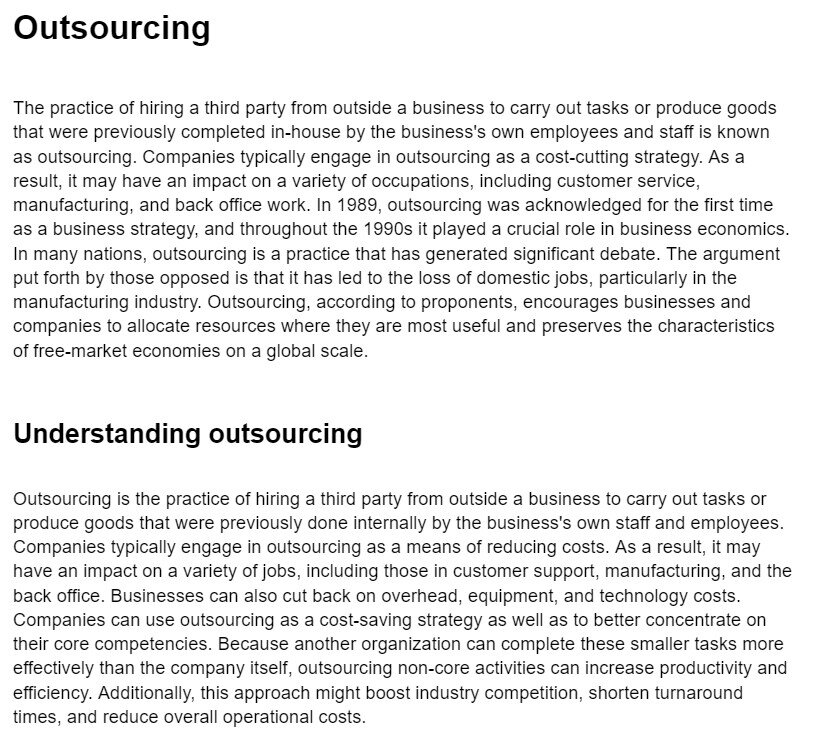
It's important to distinguish outsourcing from other third-party arrangements. A bank buying office supplies from a vendor isn't outsourcing. That's just a simple purchase. Outsourcing involves handing over control of a process or function that is ongoing and essential to the bank's operations. The key difference is the level of integration and dependence. The bank depends on its IT outsourcer to keep systems running, but it can easily buy pens from another store.
| Characteristic | Outsourcing | Other Third-Party Arrangement |
|---|---|---|
| Nature of Service | Ongoing process or function (e.g., payroll) | One-time or simple transaction (e.g., buying computers) |
| Integration | Deeply integrated into bank's operations | Minimal integration; a simple purchase |
| Relationship | Strategic partnership | Transactional vendor relationship |
| Example | Hiring a firm to manage customer call center | Contracting a plumber to fix a leak |
Why Banks Outsource
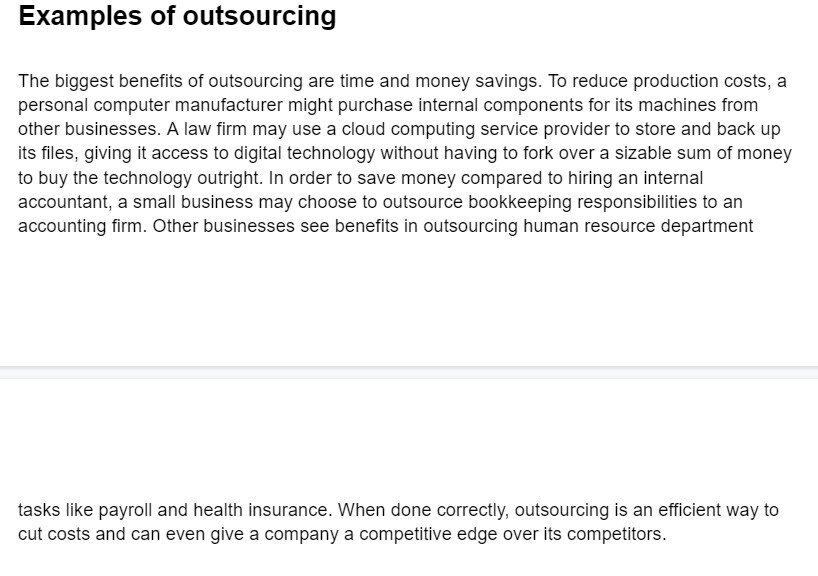
Financial institutions turn to outsourcing for several key reasons. The most common driver is cost reduction. A specialized firm often has economies of scale that a single bank can't match, allowing it to perform tasks more cheaply.
Another major benefit is access to expertise. A bank might not have the world's best cybersecurity experts on staff, but it can hire a firm that does. This allows the bank to leverage top-tier talent and technology without the massive investment required to build it internally.
Finally, outsourcing helps banks focus on what they do best: managing money and serving their core customers. By offloading ancillary functions, they can dedicate more resources and attention to their primary business goals.
outsourcing model construction allows for advisors to leverage the expertise of the model provider and potentially improve client outcomes and provides the added benefit of freeing up the advisors time and capacity to focus on the other areas like we talked about in terms of comprehensive planning, but additionally client engagement and new business development.
The Flip Side: Potential Risks
Outsourcing is not without its challenges. When a bank hands over a function to a third party, it also introduces new risks. The most obvious is operational risk. If the vendor makes a mistake, such as a data breach or a service outage, the bank's operations and customers can be directly affected. The bank can delegate the task, but it can't delegate the ultimate responsibility.
Reputational risk is also significant. To a customer, the third-party vendor is invisible. If the outsourced call center provides poor service, the customer blames the bank, not the vendor. A mistake by a partner can quickly damage a bank's hard-won reputation.
Compliance risk is another critical concern. Financial institutions operate under strict regulations. If an outsourced partner fails to comply with these rules, the bank is the one that will face regulatory fines and sanctions.
Outsourcing key compliance functions without adequate review exposes organizations to significant risks, including legal penalties, operational disruptions, and reputational harm.
This flow of responsibility highlights a core principle: a bank can outsource a function, but it cannot outsource the risk. The bank remains accountable for ensuring the service is delivered securely, effectively, and in compliance with all laws.
Ultimately, outsourcing is a powerful strategic tool for financial institutions. It can unlock efficiency, reduce costs, and provide access to specialized skills. However, it requires careful management to mitigate the associated risks and ensure that customer trust and regulatory compliance are never compromised.