OT Cybersecurity Essentials
Introduction to Operational Technology
What Is Operational Technology?
When you think of technology, you probably picture laptops, servers, and the internet. That’s Information Technology (IT), which manages data. But there’s another critical domain: Operational Technology (OT). OT is the hardware and software that directly monitors and controls physical devices and processes in the real world.
Think of the systems that make modern life possible. OT is at work in power plants managing the electrical grid, in factories running assembly lines, and in public transit systems directing trains. It’s the technology that senses a change in a chemical vat and opens a valve, or monitors a pipeline for pressure drops.
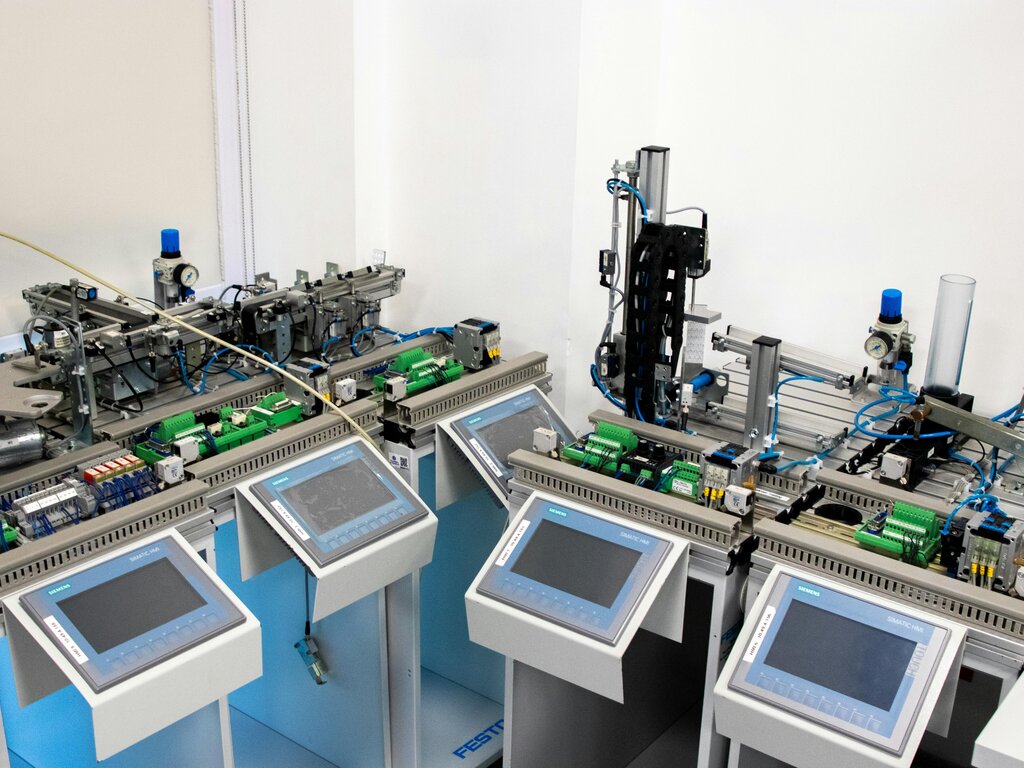
These systems are often called Industrial Control Systems (ICS) or Supervisory Control and Data Acquisition (SCADA) systems. They include everything from the physical sensors and actuators on a factory floor to the centralized control room computers that operators use to oversee an entire process.
The core purpose of OT is to cause direct change or action in the physical world, not just to manage information about it.
OT vs. IT
The easiest way to understand Operational Technology is to compare it with Information Technology. While both use computers and networks, their goals, environments, and priorities are fundamentally different. IT manages the flow of digital information; OT manages the operation of physical machinery.
| Feature | Operational Technology (OT) | Information Technology (IT) |
|---|---|---|
| Primary Goal | Control and monitor physical processes. | Manage and process data. |
| Top Priority | Safety, reliability, and availability. | Confidentiality, integrity, and availability. |
| Environment | Industrial settings like factories, plants. | Office environments, data centers. |
| System Lifespan | Very long (15-20+ years). | Short (3-5 years). |
| Impact of Failure | Physical danger, equipment damage. | Data loss, financial disruption. |
In an IT environment, like a corporate office, the top priority is protecting data. A server going down is a problem, but a data breach can be a catastrophe. Security focuses on confidentiality and integrity first.
In an OT environment, like a power grid control center, the absolute top priority is keeping the system running safely and reliably. A hacker changing a setting could cause a blackout or physical damage. For this reason, OT prioritizes availability and safety above all else. You can't just take a power plant offline for a security patch.
Consider a municipal water treatment plant. The plant's billing system, employee emails, and customer database are all part of its IT network. The systems that monitor water quality, control the pumps that move water through the facility, and add chemicals to treat it are all OT.
While they were once completely separate, these two worlds are becoming more connected. Data from the OT systems might be sent to the IT network for analysis, helping to predict maintenance needs. This convergence brings benefits, but also new challenges we'll explore later.