Ostara Pagan Traditions
Introduction to Ostara
A Time of Balance
Twice a year, the Earth reaches a point in its orbit where the day and night are almost exactly equal in length. One of these moments is the spring equinox, also known as the vernal equinox, which falls around March 20th in the Northern Hemisphere. This celestial event marks the official end of winter and the beginning of spring.
For many modern Pagans and Wiccans, this time of balance is celebrated as Ostara. It is one of eight major festivals, or sabbats, that make up the Wheel of the Year, a calendar that tracks the seasons. Ostara sits between Imbolc, the festival heralding the first signs of spring, and Beltane, the celebration of peak spring and fertility.
The placement of Ostara on the Wheel of the Year is significant. It represents a crucial turning point where the forces of light and warmth begin to overtake the darkness and cold of winter. The world, dormant for months, starts to awaken.
At its core, Ostara is a festival of renewal. It celebrates the reawakening of the earth, the return of sunlight, and the promise of new life.
The Goddess of Dawn
The name 'Ostara' is thought to be connected to an ancient Germanic goddess. In the 8th century, a Christian monk known as the Venerable Bede wrote about the traditions of the Anglo-Saxons. He mentioned a goddess named Eostre, whose feast was celebrated around the spring equinox.
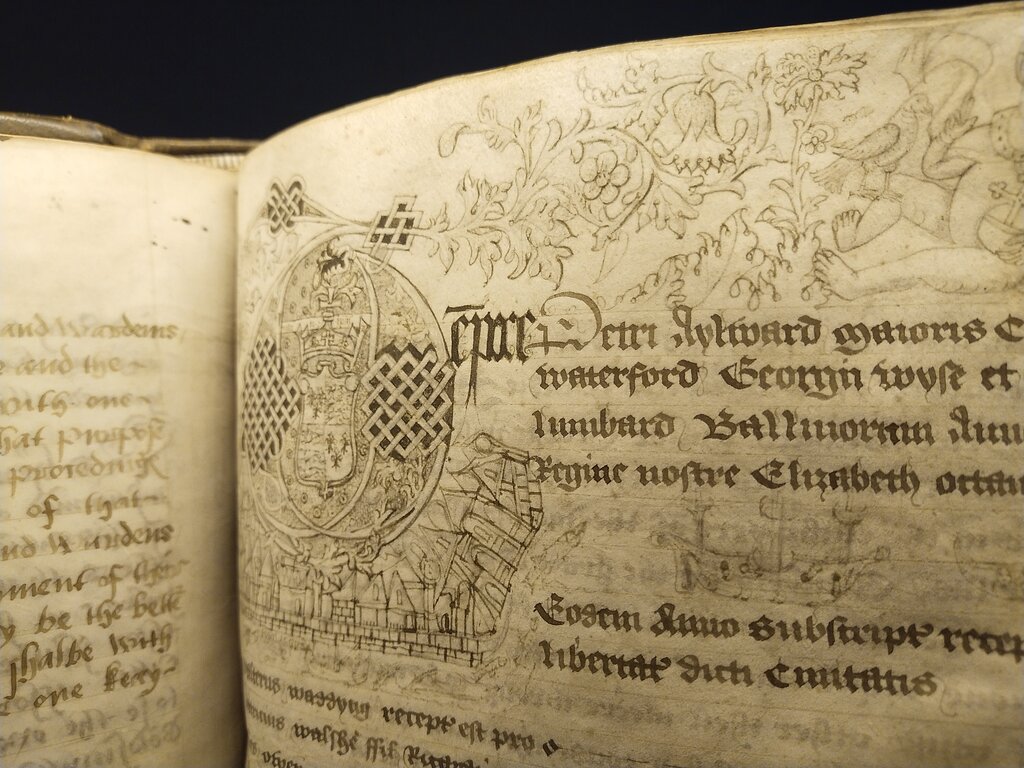
Bede is our primary historical source for Eostre, and there is some debate among scholars about whether she was widely worshipped or a more local deity. Regardless, her name is the linguistic root of the word 'Easter,' the Christian holiday that also falls in the spring.
The name Eostre itself is believed to derive from the Proto-Germanic word for 'east' and is related to the word for 'dawn.' This connection makes perfect sense for a spring festival. Just as the dawn brings a new day, the spring equinox brings the renewed light that awakens the world from its winter slumber.
Themes of the Season
The central themes of Ostara are balance, renewal, and fertility. Balance is reflected in the equal hours of day and night during the equinox. It's a time of harmony, a midpoint between the extremes of the winter and summer solstices.
Renewal is all around. Snow melts, the ground thaws, and sleeping seeds begin to sprout. Animals emerge from hibernation, and birds return from their winter migrations. This powerful surge of new life is a key aspect of the celebration.
The great Fertility Festivals were held at various times of the year to achieve a rapport with the life of Mother Nature. Echoing and acting out her annual drama of conception, birth, death and re-birth.
This leads directly to the theme of fertility. Ostara celebrates the earth's returning ability to produce life. It's a time for planting seeds, both literally in the garden and metaphorically in our own lives. It represents a moment of hope and potential, a fresh start for the year ahead.
Time to check your understanding.
What celestial event is marked by nearly equal hours of day and night and signifies the beginning of spring in the Northern Hemisphere?
In the Pagan Wheel of the Year, Ostara is positioned between which two festivals?
As the sun grows stronger and the days lengthen, the themes of Ostara—balance, new beginnings, and the return of life—continue to unfold, leading into the heart of spring.