OSS to CIA The Genesis of American Espionage
Origins of American Intelligence
A Patchwork of Spies
Before World War II, the United States didn't have a single, unified intelligence agency like the CIA. Instead, intelligence gathering was a scattered effort, spread across several government departments. Each one collected information for its own purposes, with little coordination between them.
The State Department used its diplomats and ambassadors stationed around the world to report on political and economic conditions. The Treasury Department focused on financial intelligence, tracking counterfeiters, smugglers, and other threats to the nation's economy.
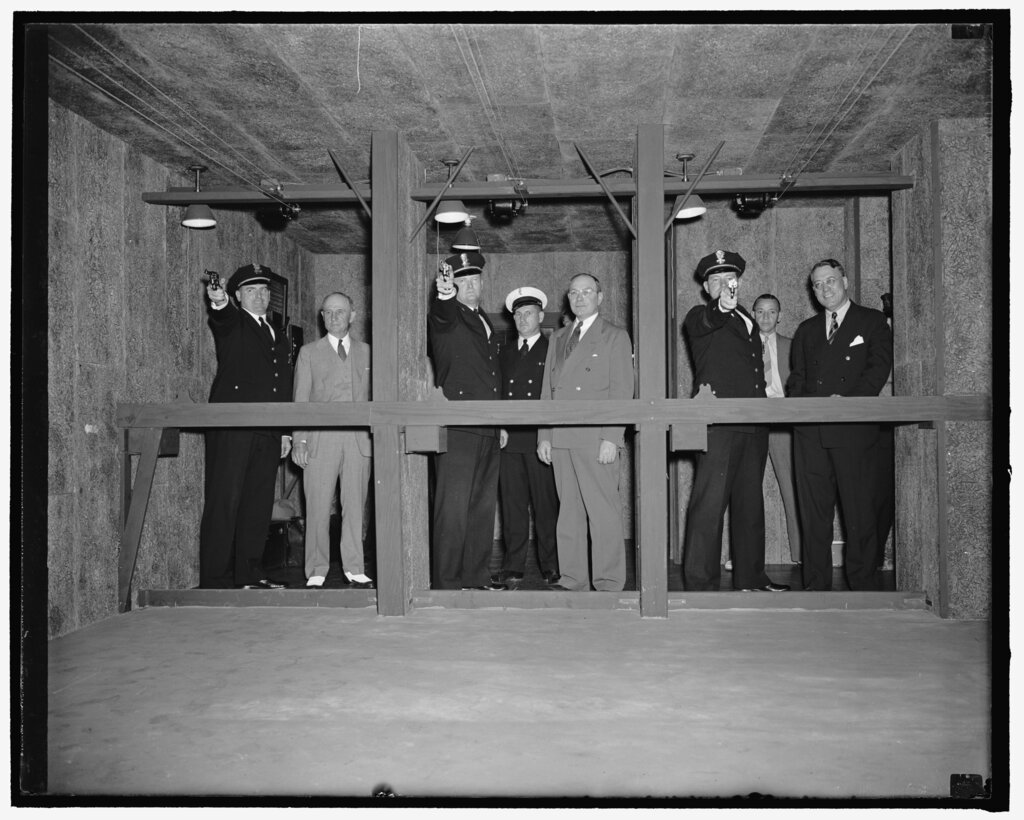
Meanwhile, the military branches had their own intelligence units. The Army's Military Intelligence Division (MID) and the Navy's Office of Naval Intelligence (ONI) were responsible for understanding foreign military capabilities. They analyzed foreign weapons, tracked troop movements, and assessed potential threats. However, they often worked in isolation, sometimes viewing each other as rivals rather than partners.
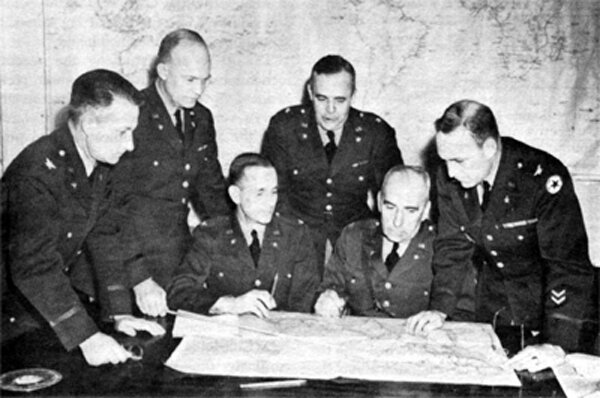
This lack of a central hub created significant problems. Information collected by one department might have been crucial to another, but there was no system for sharing it effectively. This fragmented approach meant that no one had a complete picture of the threats facing the country.
Cracking the Code
One of the most promising areas of early intelligence was code-breaking, or cryptanalysis. After World War I, the U.S. established the Cipher Bureau, also known as MI-8 or the "Black Chamber." It was a joint Army-State Department operation that had considerable success in deciphering the diplomatic communications of other countries.
However, the Black Chamber was shut down in 1929. Secretary of State Henry L. Stimson, upon learning of its activities, famously declared his disapproval.
Gentlemen do not read each other's mail.
The closure of MI-8 was a major setback. It pushed American code-breaking efforts back into the shadows, forcing them to rebuild just as global tensions were rising. The responsibility fell to small, underfunded units within the military.
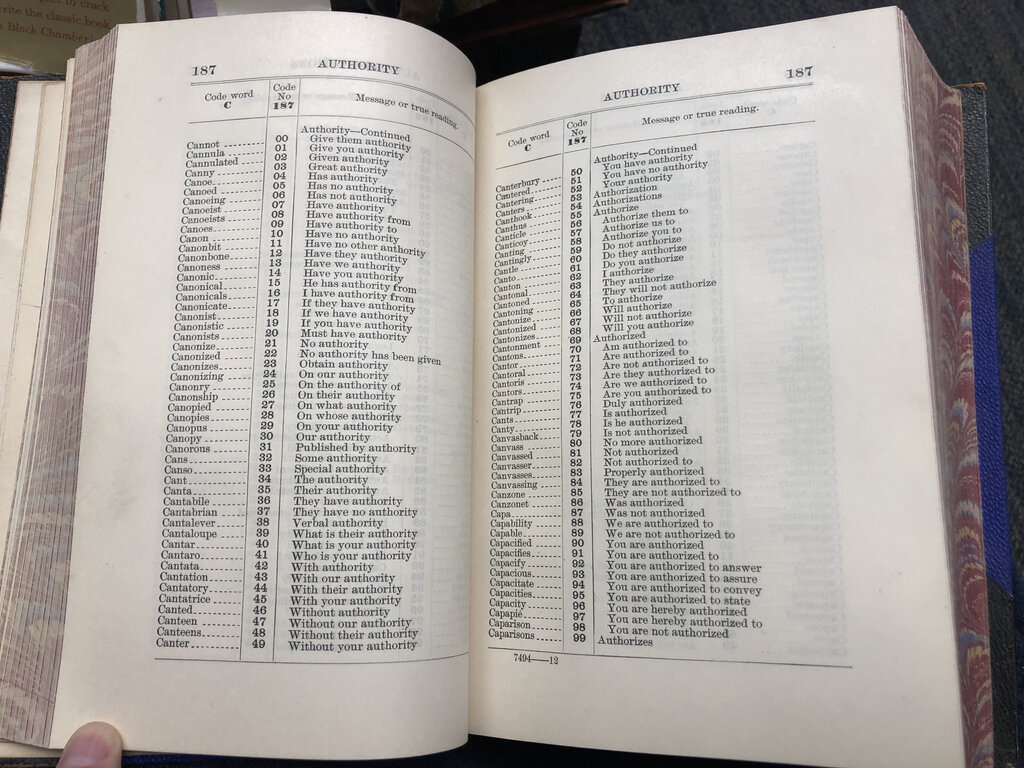
The Army's Signal Intelligence Service (SIS) was established to take over cryptanalytic duties. In the Navy, a similar unit known as OP-20-G handled code-breaking. These organizations operated with small staffs and limited resources, but they laid the groundwork for the massive intelligence efforts that would become necessary in the years ahead.
This decentralized and often disconnected intelligence landscape left the United States vulnerable. The need for a coordinated, national-level intelligence service was becoming increasingly apparent.