Oscar Award Smear Campaigns Unveiled
Origins of Oscar Smear Campaigns
The First Campaigns
The Academy Awards didn't start as a battleground. The first ceremony in 1929 was a private dinner at the Hollywood Roosevelt Hotel with about 270 guests. Winners were announced three months in advance, so there was no suspense and little incentive for the kind of intense campaigning we see today.
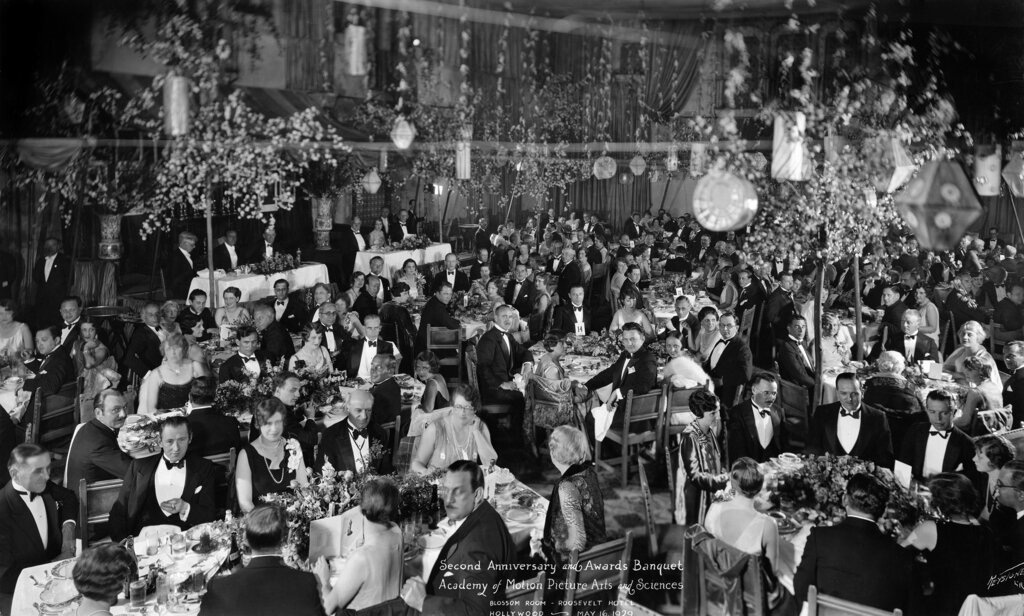
But the impulse to influence voters appeared almost immediately. For that same 1929 ceremony, actress Mary Pickford, a co-founder of the Academy itself, invited voting members to her home for tea. While this seems mild now, her active lobbying for her role in "Coquette" was unprecedented. She won the award for Best Actress, and a new precedent was set: campaigning worked.
For the first decade, these campaigns were mostly positive. Studios took out ads in trade magazines praising their own films and stars, a practice that continues today. They highlighted artistic merit, box office success, and the powerful performances of their actors. The idea of actively tearing down a competitor hadn't yet taken hold.
Citizen Kane vs. The Machine
The first major, undeniable smear campaign in Oscar history targeted what is now considered one of the greatest films ever made: Orson Welles's Citizen Kane (1941).
The film's central character, Charles Foster Kane, was a thinly veiled caricature of the powerful newspaper magnate William Randolph Hearst. Hearst was not amused. He used his immense media empire to attack the film and everyone associated with it.
Hearst banned any mention of Citizen Kane in his many newspapers and radio stations, except for negative reviews. His most powerful columnist, Louella Parsons, led the charge. She accused Orson Welles of being a communist and claimed the film was an un-American attack on a great patriot. The campaign was relentless and personal.
The goal was to create an atmosphere of toxicity around the film. Hollywood is a town built on relationships, and the Hearst campaign made supporting Citizen Kane a risky proposition. Studio executives, directors, and actors feared that voting for the film could make them a target of Hearst's powerful media machine. This pressure was a key factor in how the votes were cast.
The anti-Kane campaign showed that fear could be a powerful motivator for Oscar voters. Attacking a rival was now a viable, if ugly, strategy.
The impact was felt on Oscar night. Every time Citizen Kane was mentioned as a nominee, the crowd booed. The film, which had been nominated for nine awards, won only one, for Best Original Screenplay. The coveted Best Picture award went to John Ford's How Green Was My Valley—a fine film, but not the revolutionary masterpiece that was Citizen Kane.
The lesson was clear. A well-orchestrated negative campaign could successfully damage a frontrunner's chances. It marked a turning point, proving that the battle for an Oscar could be won not just by promoting your own film, but by tearing down another.
What was a key characteristic of the very first Academy Awards ceremony in 1929?
Who is credited with setting the precedent that actively campaigning for an Oscar could be effective?