Orthodontic Aligners Explained
Introduction to Orthodontic Aligners
A Clear Alternative to Braces
Orthodontic aligners are custom-made, clear plastic trays that fit snugly over your teeth. Their purpose is simple: to gradually and gently shift your teeth into a straighter position. Think of it like a slow-motion movie where each frame is a tiny adjustment. Each new aligner you wear is a new frame in that movie, moving your teeth closer to their final destination.
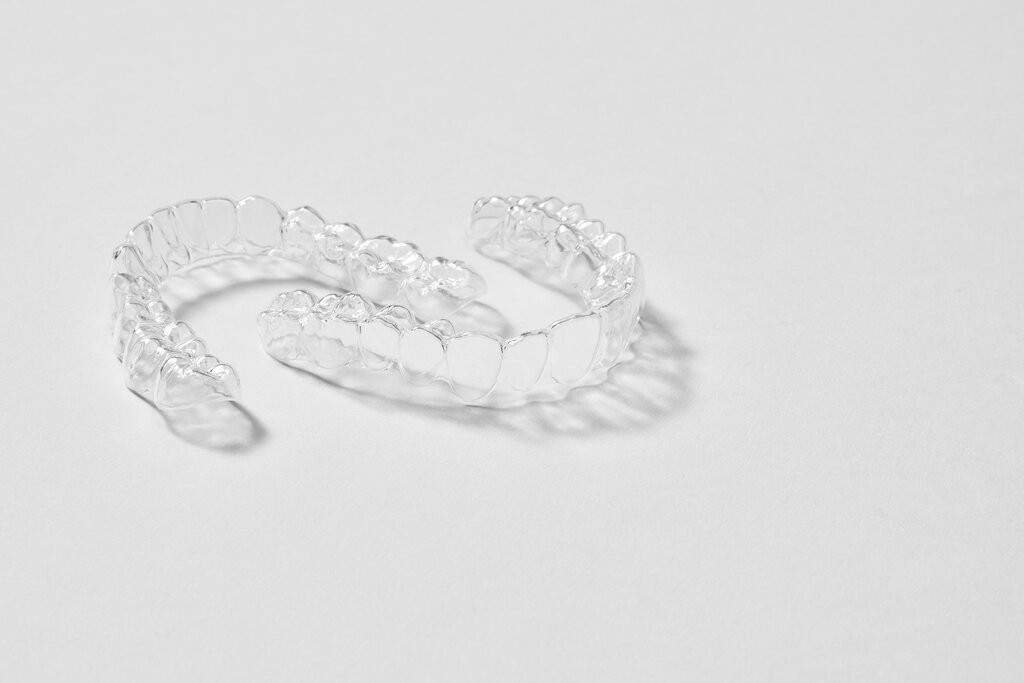
Unlike traditional braces, which are bonded to the teeth for the entire treatment, aligners are removable. This key difference is what makes them so popular. They are designed to be worn for 20-22 hours a day, but you can take them out to eat, drink, brush, and floss.
How Aligners Stack Up
When people think of straightening teeth, they often picture traditional metal braces. Aligners offer a different approach with a unique set of pros and cons.
| Feature | Clear Aligners | Traditional Braces |
|---|---|---|
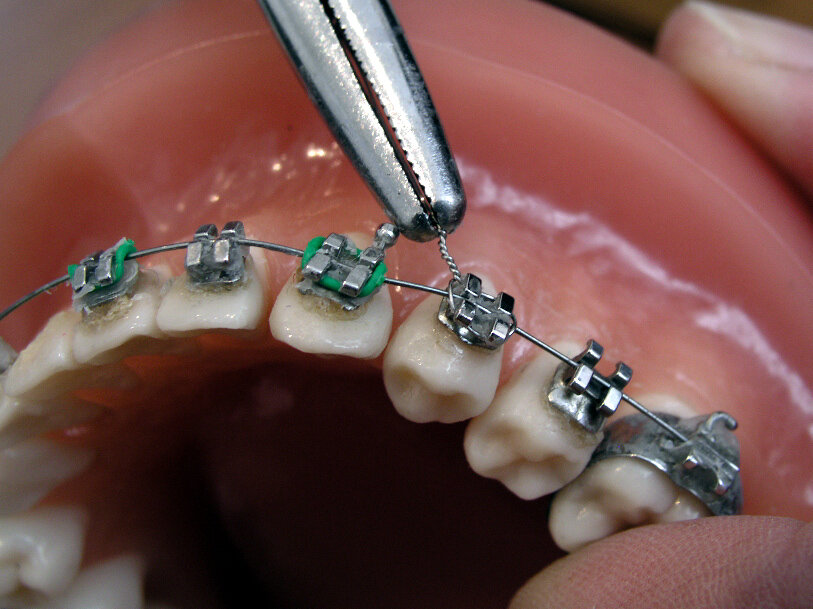
| Appearance | Nearly invisible | Visible metal brackets and wires |
| Removability | Removable by the user | Fixed in place by an orthodontist |
| Diet | No restrictions (removed for eating) | Avoid hard, sticky, or chewy foods |
| Cleaning | Easy to clean teeth normally | Requires special tools to clean around brackets |
The main advantage of aligners is their discreet appearance and the convenience of being able to remove them. This makes maintaining good oral hygiene much simpler. However, this freedom comes with responsibility. Successful treatment depends on wearing them consistently as prescribed. Braces, being fixed, work around the clock without requiring the same level of self-discipline.
The Treatment Journey
The idea of moving teeth with removable appliances isn't new, but modern aligners are a product of 21st-century technology. Advances in 3D imaging and printing have made it possible to create a precise, personalized series of trays that guide teeth with incredible accuracy.
Aligners can correct many common dental issues, known as malocclusions. These include crooked teeth, gaps, and certain types of bite problems like overbites or underbites. However, they may not be suitable for very complex cases, which might still require traditional braces.
Generally, aligners are effective for mild to moderate crowding and spacing issues. Your orthodontist will determine if they are the right choice for you.
The process is straightforward and begins with a consultation.
First, your orthodontist will take digital scans or impressions of your teeth to create a precise 3D model. Using this model, they map out the entire treatment plan, showing the step-by-step movement of your teeth from their current position to the final desired one.
Based on this plan, your custom aligners are manufactured. You'll receive several sets at a time, each designed to be worn for about one to two weeks before moving on to the next set in the series. You'll have periodic check-ups with your orthodontist to monitor progress.
Once you've completed your last set of aligners, your teeth will be in their new positions. To keep them there, you'll need to wear a retainer, which prevents them from shifting back.
What is the primary function of orthodontic aligners?
A major advantage of aligners over traditional braces is their removability. This freedom, however, comes with a significant patient responsibility. What is it?