Orphic Metaphysics and Platonic Synthesis
Orphic Historiography
Deconstructing Orphism
The traditional narrative of Orphism, a fixture of 19th-century scholarship, envisioned a unified, pan-Hellenic mystery religion with a coherent doctrine and centralized structure. This view imagined a formal 'Orphic church' with Orpheus as its prophet. Modern analysis, however, has largely dismantled this monolithic construction, recasting 'Orphism' not as a single entity but as a collection of disparate ritual practices and eschatological beliefs.
This shift is largely driven by archaeological evidence that resists easy categorization. Instead of a church, we find evidence of itinerant ritual specialists, or manteis, who pieced together traditions to suit local needs. Two key pieces of evidence anchor this revised understanding: the Derveni Papyrus and the gold tablets, or lamellae.
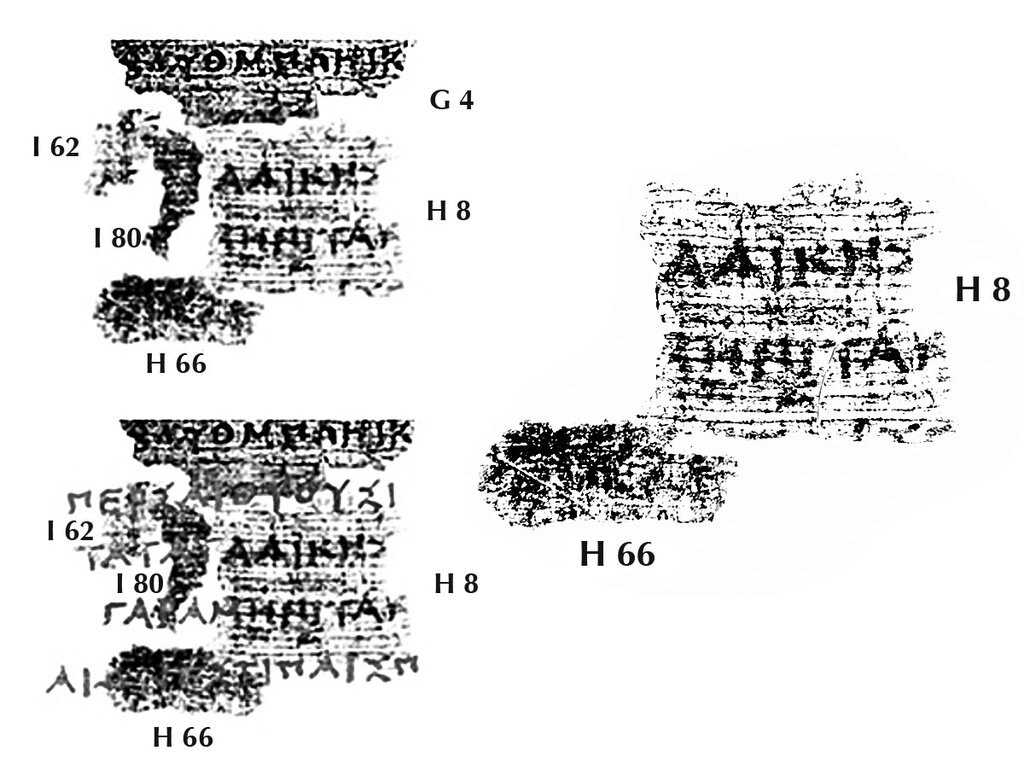
The , dating to around 340 BCE, is not a sacred text in itself but a philosophical commentary on an Orphic theogony. The author engages in allegorical exegesis, arguing that the poem's mythological narrative conceals deeper physical and metaphysical truths. This interpretive layer is crucial. It suggests that 'Orphic' texts were not scripture to be followed literally but raw material for intellectual and spiritual elaboration. The papyrus itself was the property of a wealthy individual, not an artifact from a temple, pointing to a personal, rather than institutional, engagement with these ideas.
Tablets for the Afterlife
Further complicating the 'unified church' theory are the found in graves across the Greek world, from Southern Italy to Crete. These small, inscribed gold leaves served as passports for the deceased, offering instructions for navigating the underworld and addressing its divine guardians. They promise a blessed afterlife, separate from the bleak fate awaiting the uninitiated.
Crucially, the instructions on these lamellae are not uniform. While they share a common goal and certain formulaic phrases, they exhibit significant local variation. This heterogeneity undermines the notion of a single, orthodox Orphic eschatology. It points instead to a fluid and adaptable set of beliefs, likely tailored by ritual experts to specific communities and patrons.
The Bricoleur versus the Church
This evidence forms the basis of a central historiographic debate. On one side, scholars like Alberto Bernabé argue for a more structured, though not centralized, 'Orphism' with core tenets. On the other, Radcliffe Edmonds III champions the 'Bricoleur' theory. This model proposes that what we call Orphism was the product of religious —freelance spiritual craftsmen who assembled ritual and myth from a wide menu of available traditions.
These specialists would travel from town to town, offering services like purifications, initiations, and guidance for the afterlife. They used the name and authority of Orpheus, the mythic singer, to lend prestige to their eclectic practices. This explains why Plato and the Presocratics encountered such a diverse array of 'Orphic' ideas. They weren't interacting with a single religion but with the varied output of these entrepreneurial manteis.
Ultimately, the debunking of a monolithic, pan-Hellenic Orphism is a historiographic course correction. It replaces a tidy but inaccurate 19th-century construct with a more complex and historically grounded picture. The 'Orphic' influence was real, but it was fragmented, regional, and constantly being reinvented.
What is the primary shift in the modern scholarly understanding of 'Orphism'?
The Derveni Papyrus is a sacred, doctrinal text that outlines the core tenets of the Orphic church.