Ornamental Insecticide Pest Control Essentials
Insect Biology
The Insect Blueprint
To manage pests effectively, you first need to understand them. Think of it like being a detective. You need to know your suspect's habits, what they look like, and where they come from. For insects, this starts with their basic anatomy.
Every insect shares this fundamental body plan: a head, a thorax, and an abdomen. The head contains the brain, antennae for sensing the world, and mouthparts. The type of mouthpart an insect has tells you how it feeds. Some chew on leaves, while others have straw-like parts to pierce plants and suck out sap.
The thorax is the insect's engine room. It's where the six legs and any wings are attached. The presence and type of wings are often key clues for identification.
The abdomen holds the digestive and reproductive organs. It also has small openings called spiracles, which the insect uses to breathe.
Classifying Pests
Scientists use a system called taxonomy to organize living things. Think of it like a mailing address, starting broad (Kingdom) and getting more specific until you arrive at a unique individual (Species). For pest control, the most useful level is usually the "Order."
Insects in the same order share key characteristics, like wing structure and how they develop. Knowing an insect’s order gives you a head start on predicting its behavior and potential for damage.
| Order | Common Name | Key Features |
|---|---|---|
| Coleoptera | Beetles, Weevils | Hard, shell-like front wings that cover the flying wings. Chewing mouthparts. |
| Lepidoptera | Butterflies, Moths | Scaly wings, often colorful. Adults sip nectar; larvae (caterpillars) have chewing mouthparts. |
| Hemiptera | Aphids, Scale, Stink Bugs | Often called "true bugs." Piercing-sucking mouthparts. Wings are half-leathery, half-membranous. |
| Hymenoptera | Ants, Bees, Wasps | Two pairs of membranous wings (if present), with the hind wings smaller. Some are social insects. |
| Thysanoptera | Thrips | Tiny insects with fringed wings. Rasping-sucking mouthparts that scrape plant surfaces. |
| Diptera | Flies, Gnats, Midges | Only one pair of wings. The second pair is reduced to small knobs for balance. |
From Egg to Adult
Insects don't just get bigger as they age; they transform. This process is called metamorphosis. Understanding an insect's life cycle is critical because the pest causing damage might look completely different from its adult form. Control methods often target a specific, vulnerable stage.
There are two main types of metamorphosis.
Incomplete Metamorphosis: This is a three-stage process: egg, nymph, and adult. The nymph looks like a miniature, wingless version of the adult. It sheds its skin several times as it grows. Aphids, grasshoppers, and stink bugs develop this way.
Complete Metamorphosis: This four-stage process involves a more dramatic transformation: egg, larva, pupa, and adult. The larva (like a caterpillar or grub) is the primary feeding and growing stage. It then enters a non-feeding pupal stage before emerging as a completely different-looking adult. Beetles, butterflies, moths, and flies undergo complete metamorphosis.
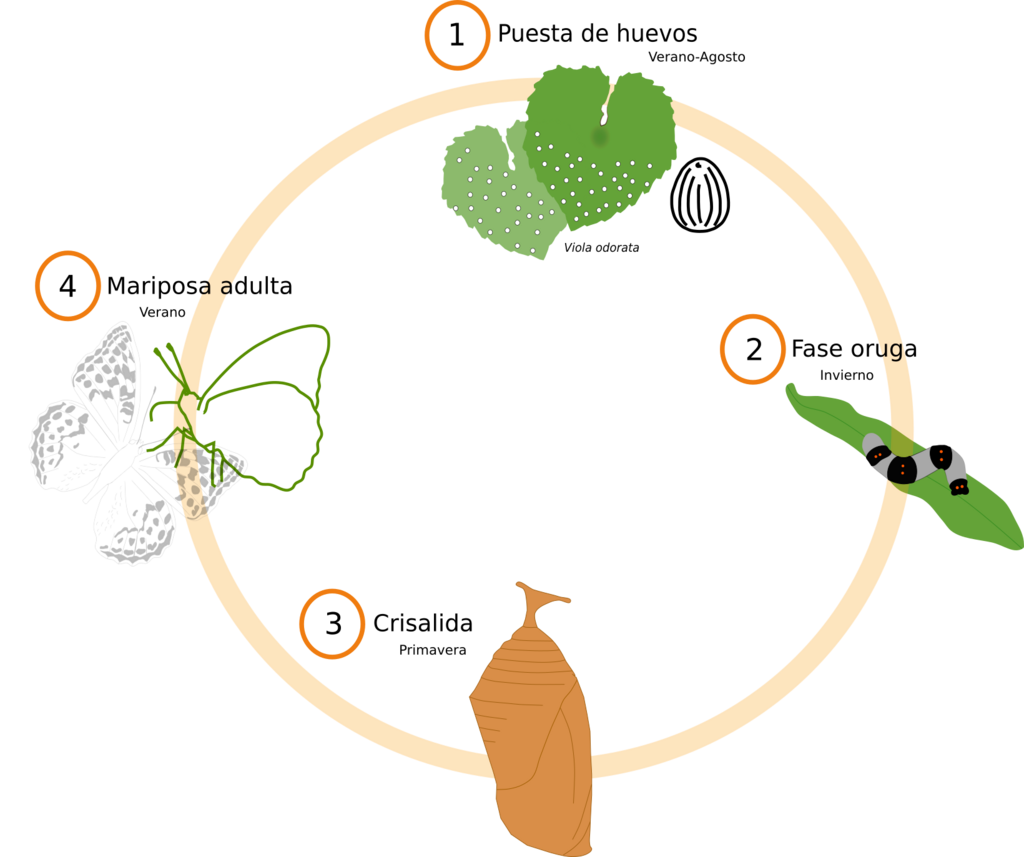
Knowing the life cycle helps you time your control measures. For example, targeting the larval stage of a Japanese beetle (a grub in the soil) is often more effective than trying to control the flying adults.
Pest Behavior
Insect behavior is driven by simple needs: finding food, avoiding danger, and reproducing. These behaviors are what make them pests.
Feeding is the most obvious one. An insect with chewing mouthparts, like a caterpillar, will leave holes in leaves. An insect with piercing-sucking mouthparts, like an aphid, will drink sap, often causing leaves to yellow, curl, or become stunted. Aphids also excrete a sticky substance called honeydew, which can lead to sooty mold.
Reproduction is another key factor. Some pests, like aphids, can reproduce very quickly, leading to a population explosion in a short amount of time. Others may only produce one generation per year. Understanding an insect's reproductive rate helps you anticipate how quickly an infestation can get out of hand.
Finally, how insects move and where they hide influences control. Some are active during the day, while others feed at night. Some hide on the undersides of leaves, making them harder to spot and treat. Careful observation is the first step in successful pest management.
An insect's legs and wings are attached to which body segment?
You discover that your plant's leaves are yellowed and curled, and are covered in a sticky substance called honeydew. What type of mouthparts did the pest that caused this damage most likely have?
By understanding these biological fundamentals, you can move beyond simply reacting to damage and start thinking strategically about how to manage pests.