Origins of Jazz
New Orleans Convergence
The New Orleans Crucible
Jazz wasn't born in a vacuum. It was forged in a specific time and place: post-Reconstruction New Orleans. The city was a cultural gumbo, a port where people and traditions from Africa, Europe, and the Caribbean mixed for decades. But after the Civil War, a unique social pressure cooker intensified this blend, creating the perfect conditions for a new musical language to emerge.
To understand how, we need to look at two distinct groups within the city's Black population: the Creoles of Color and the newly freed African Americans. For a time, they existed in separate social spheres, each with its own rich musical heritage. Before the war, New Orleans was also unique for allowing enslaved Africans to gather publicly on Sundays. This happened in a place that became a cultural touchstone: Congo Square
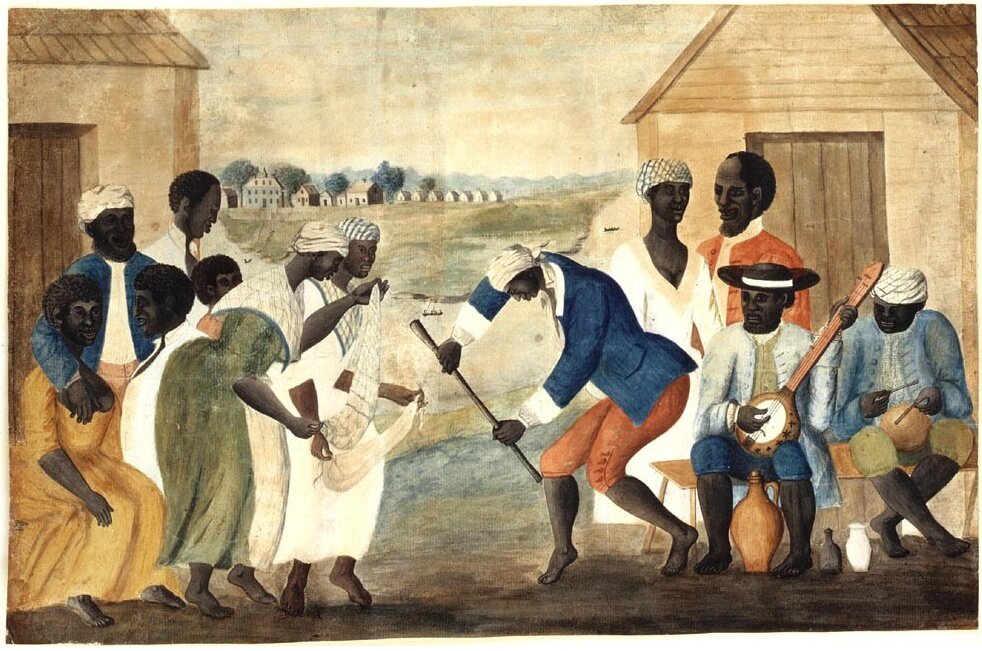
Here, West African traditions weren't erased; they were actively practiced. People played instruments resembling those from their homelands, and musical forms like the ring shout—a counter-clockwise shuffle accompanied by percussion and call-and-response singing—thrived. This space acted as a cultural reservoir, keeping syncopated, complex rhythms alive in the heart of the city.
Two Worlds Collide
While African traditions pulsed in Congo Square, another musical world existed among the Creoles of Color. This community, descended from a mix of French or Spanish colonists and Africans, often enjoyed a social status above enslaved people and even some white residents. Many were formally educated, owned property, and were classically trained musicians who could read music and were familiar with European composers.
| Musical Tradition | Creoles of Color | African Americans |
|---|---|---|
| Training | Formal, European classical | Informal, oral tradition |
| Core Elements | Harmony, written notation | Rhythm, call-and-response |
| Primary Influence | European concert music, opera | Blues, spirituals, work songs |
| Approach | Reading scores, technical precision | Improvisation, syncopation |
In contrast, the African American community's music was rooted in the blues and the expressive vocal styles of spirituals. Theirs was a tradition of improvisation, where melody and rhythm were fluid and personal expression was paramount. It was less about reading notes on a page and more about feeling the music and responding in the moment. The end of Reconstruction and the rise of oppressive Jim Crow laws changed everything. The infamous 1896 Supreme Court decision in Plessy v. Ferguson legally enforced segregation, effectively stripping the Creoles of Color of their intermediary status. They were reclassified, pushed down the social ladder, and forced into the same segregated communities as the African Americans they had once been separate from.
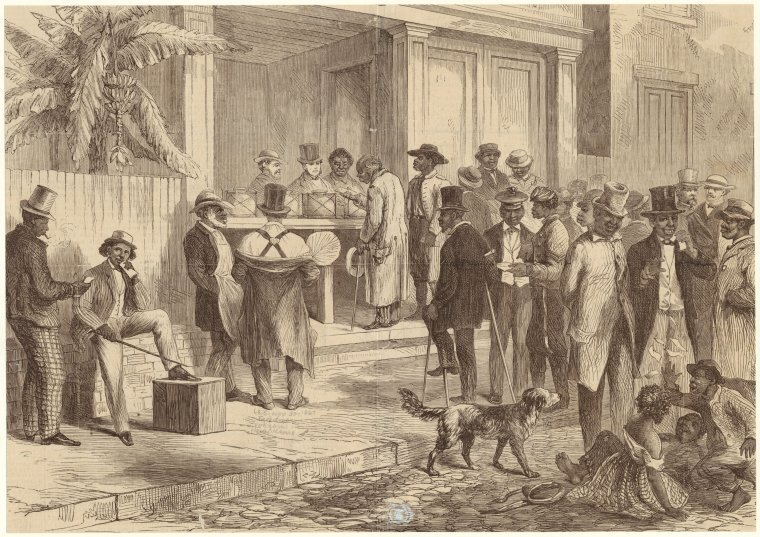
Suddenly, musicians from these two very different backgrounds were living side-by-side and, out of necessity, playing music together. The city's thriving brass band culture became their common ground. These bands were a staple of New Orleans life, playing for everything from parades to funerals. They provided a ready-made instrumentation—cornet, trombone, clarinet, tuba, drums—and a structural framework based on marches.
A New Sound is Born
This forced merger was the spark that lit the flame of jazz. The formally trained Creole musicians brought their technical skill, understanding of harmony, and ability to read music. The African American musicians brought their blues sensibilities, rhythmic complexity, and genius for improvisation. When they started playing in the same brass bands, something entirely new happened.
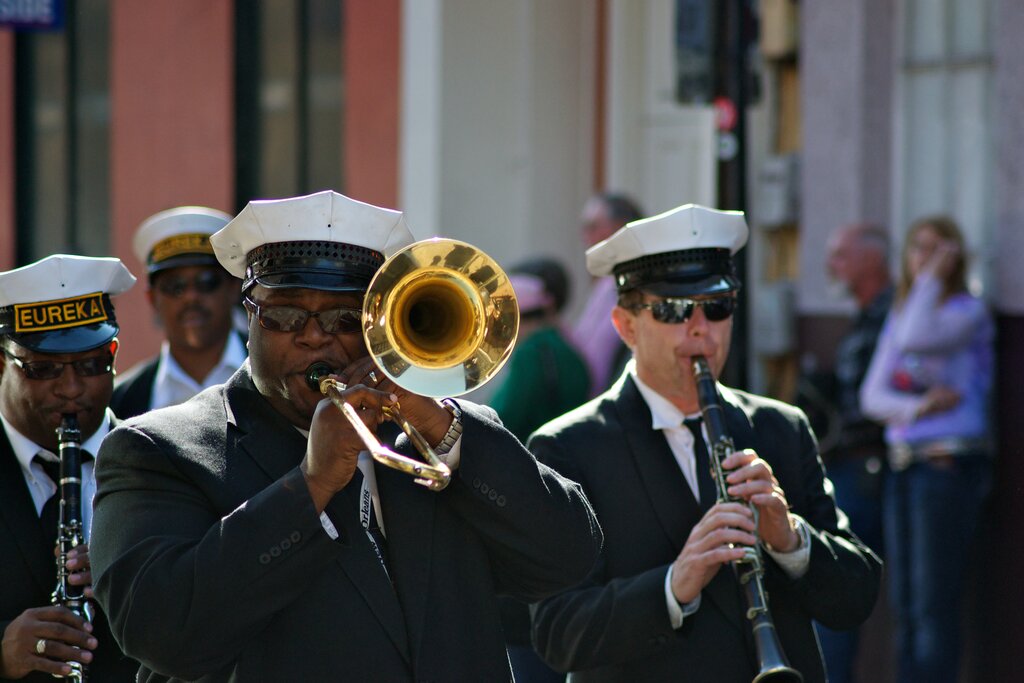
A Creole clarinetist, used to playing a written part, might find himself next to a cornet player who was bending notes and improvising a whole new melody over the tune. The rigid structure of the march began to loosen up. The rhythms became more syncopated and danceable, infused with the call-and-response patterns of the blues and the energy of the ring shout.
It blended African rhythmic and melodic concepts with European harmonic structures, creating something entirely new and uniquely American.
This wasn't just a blending of sounds; it was a synthesis of cultures forced together by social upheaval. The unique political and social landscape of New Orleans at the turn of the 20th century provided the exact combination of ingredients needed to transform distinct musical traditions into an entirely new, uniquely American art form.
What was the primary function of Congo Square in pre-Civil War New Orleans?
How did the musical traditions of the Creoles of Color and African Americans differ before they were forced to interact?
And so, jazz became the story of this convergence—a sound born from loss and resilience, from formal training and raw expression, all happening in the vibrant, multicultural streets of New Orleans.