Origami Fundamentals
Introduction to Origami
The Art of the Fold
Origami is the Japanese art of paper folding. The word itself comes from two Japanese words: ori, meaning "to fold," and kami, meaning "paper." At its core, origami is about transforming a flat sheet of paper into a finished sculpture through folding and creasing techniques. There’s no cutting or gluing involved—just paper and your hands.
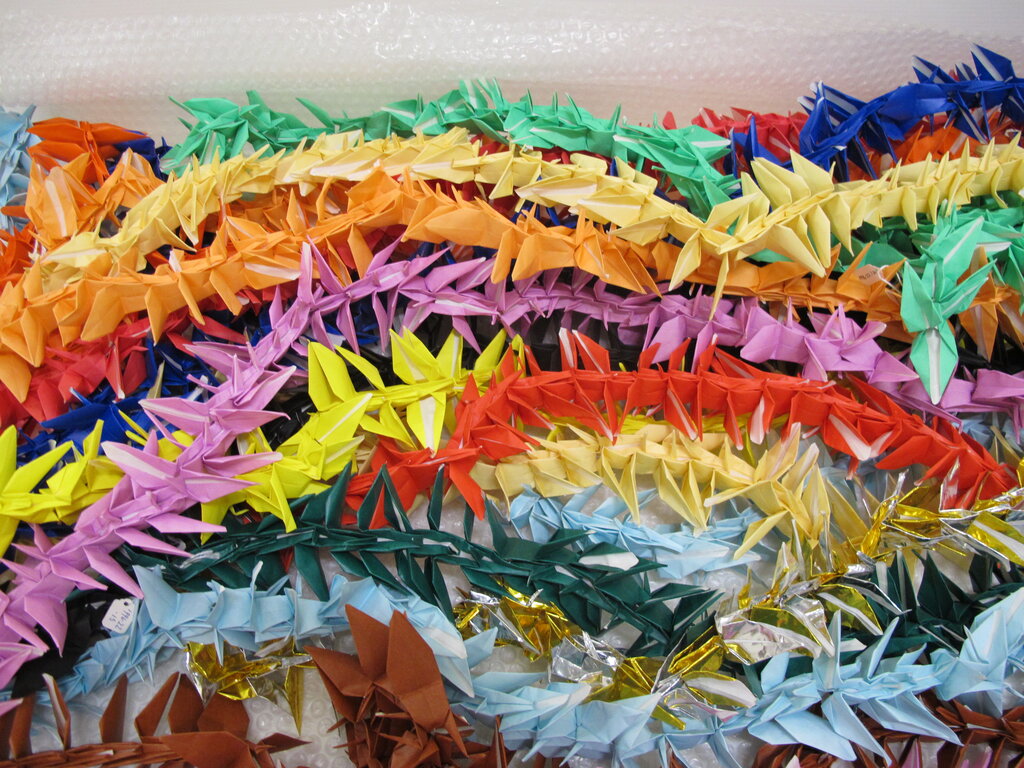
While paper folding has roots in several cultures, it was in Japan that it truly flourished as an art form. It became intertwined with cultural ceremonies and traditions. One of the most well-known origami models is the crane. An ancient Japanese legend promises that anyone who folds one thousand origami cranes will be granted a wish by the gods.
Choosing Your Canvas
The paper you choose has a big impact on your final creation. While you can fold with almost any paper, some types are specifically designed for origami. These papers are typically thin yet strong, making them easy to fold and capable of holding a sharp crease.
Standard origami paper, often called "kami," is a great starting point. It's inexpensive, colorful, and usually comes pre-cut into squares. It's thin, which is helpful for simple to intermediate models. As you advance, you might explore other types, like textured washi paper for a more traditional feel or foil-backed paper for crisp, metallic models.
| Paper Type | Characteristics | Best For |
|---|---|---|
| Kami | Thin, crisp, colored on one side | Beginners, practice, simple models |
| Washi | Traditional, soft, textured, durable | Decorative models, gift-making |
| Foil-backed | Paper fused with thin foil | Models needing sharp lines, insects, animals |
| Kraft | Strong, brownish, heavier weight | Wet-folding, creating rounded shapes |
The size of your paper matters, too. Larger sheets are easier to handle for beginners and are necessary for more complex models with many folds. Smaller paper can be used for delicate, intricate creations once you're more comfortable with the techniques.
The Foundation of Form
In origami, precision is everything. Every fold is a step in a sequence, and an inaccurate fold at the beginning can throw off the entire model. Think of it like a recipe: if you add the wrong amount of an ingredient early on, the final dish won't turn out right.
Take your time with each fold. A carefully made crease is the foundation for the next step.
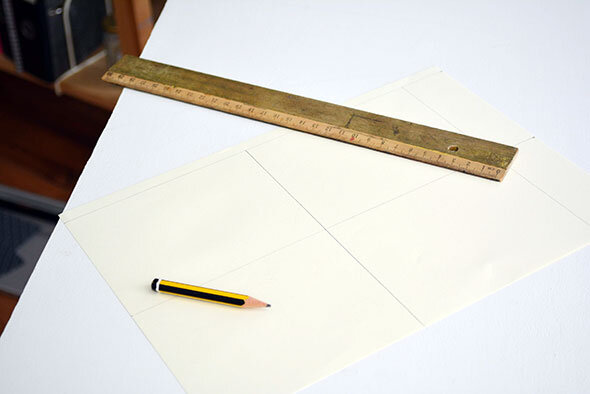
The most important technique to master is making a strong, sharp crease. A weak or soft fold will make subsequent steps difficult and result in a floppy, undefined model. Use your thumbnail or a bone folder—a smooth, dull-edged tool—to press down firmly along each fold. This creates a clean line that will help your model hold its shape.
crease
noun
A line or mark made on paper by folding or pressing it.
Many origami models start from a common set of initial folds called a "base." One of the most fundamental is the bird base, which serves as the starting point for the classic crane and many other figures. Mastering these bases is a key step in becoming a skilled origami artist.
Let's review what we've learned.
What are the two core actions involved in the traditional art of origami?
According to Japanese legend, what will be granted to a person who folds one thousand origami cranes?
With an understanding of its history, the right materials, and a focus on precision, you have the foundation to begin your journey into this timeless art form.