Origami Crane Folding
Introduction to Origami
The Art of a Single Sheet
Origami is the art of paper folding. With a single square sheet, you can create intricate sculptures of animals, flowers, or geometric shapes. The rules are simple: no scissors, no glue, just folds. This limitation is what makes origami so elegant and challenging. It’s a practice of transformation, turning a flat, unassuming piece of paper into a three-dimensional object full of life and character.
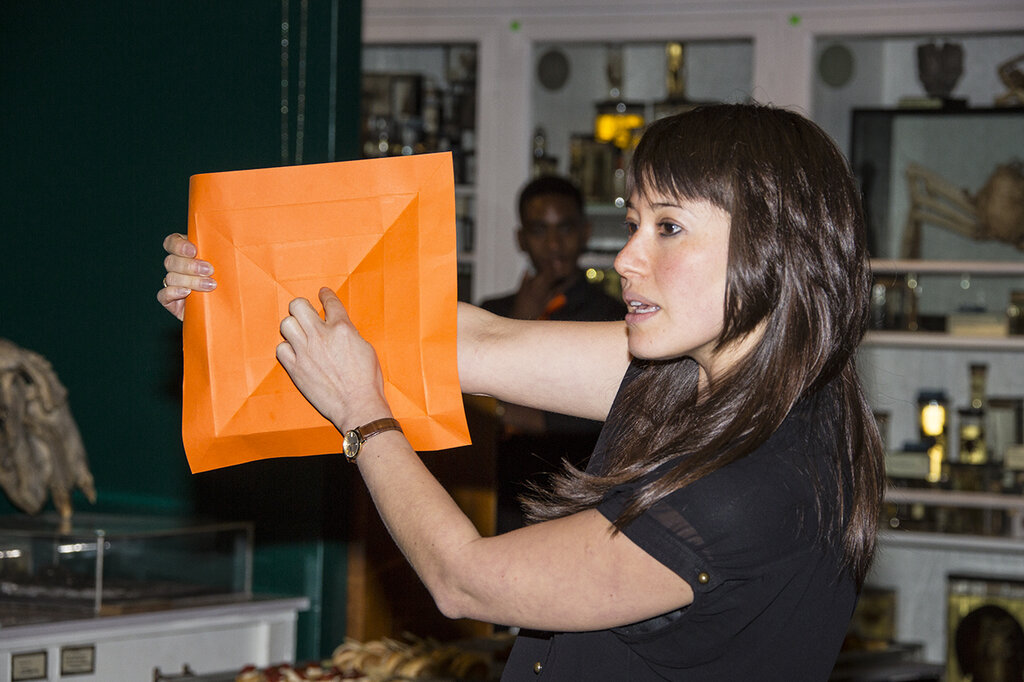
At its heart, origami is a quiet, focused activity. Each fold builds on the last, requiring concentration and a gentle touch. It's a way to practice mindfulness, slow down, and create something beautiful with just your hands.
A Fold Through Time
While paper was invented in China, the art of folding it into complex shapes was perfected in Japan. The word origami itself is Japanese, from oru (to fold) and kami (paper). Originally, folded paper objects called noshi were attached to gifts for good luck.
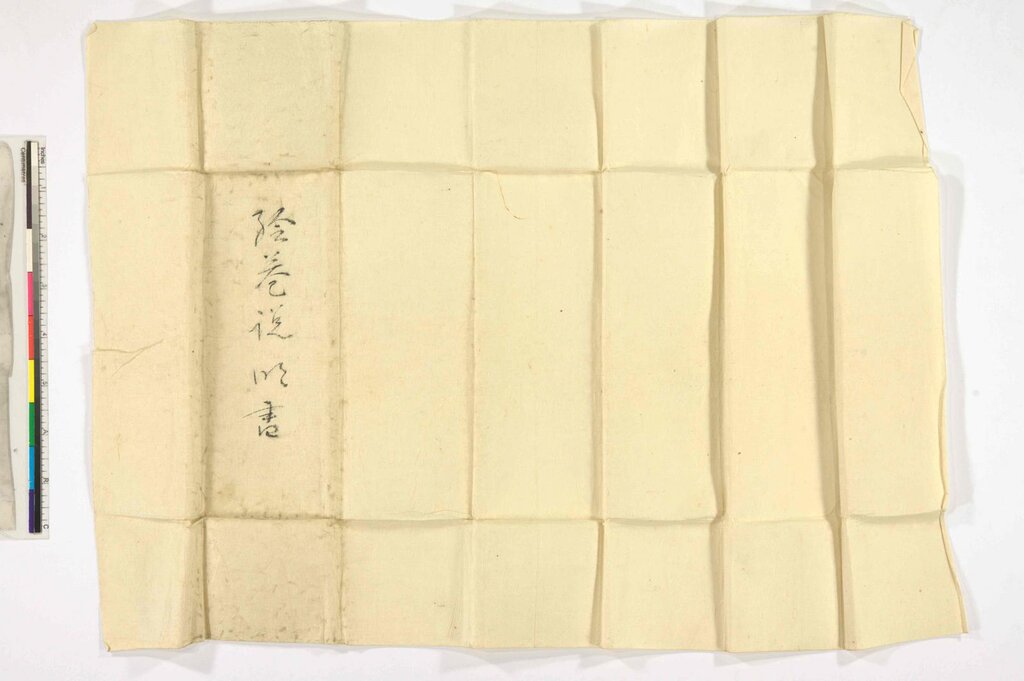
During Japan's Edo period (1603–1868), paper became more affordable, and origami evolved from a ceremonial practice into a popular recreational art form. It was during this time that the first instructional books on paper folding were published, sharing classic designs like the paper crane.
Today, origami is practiced worldwide, blending traditional designs with modern mathematical and engineering principles to create breathtakingly complex models.
The Basic Principles
Every origami model, no matter how complex, is built from a few fundamental techniques. Almost all creations begin with a perfectly square sheet of paper. Precision is key from the very first step. If your square isn't perfect, the final model may not come together correctly.
Use high-quality origami paper, which is thin, crisp, and designed to hold a fold.
The two most basic folds are the valley fold and the mountain fold. They are named for the shape they create. A valley fold creates a V-shaped crease, like a valley. A mountain fold creates an upward-pointing crease, like a mountain ridge. Every other fold is simply a combination of these two.
Mastering these folds means making them sharp and exact. A crisp, well-defined crease is the foundation of a good model. Many artists use a tool called a bone folder to press their creases, but a clean fingernail works just as well.
Patience and precision are the most important tools in origami. Rushing leads to sloppy folds and a frustrating experience. Take your time, line up your corners and edges carefully, and make each crease with intention.
Now that you understand the basics, you are ready to start folding.