Organizational Information Theory Explained
Introduction to Organizational Information Theory
How Organizations Navigate Information Fog
Organizations are swimming in information. Some of it is clear and helpful, but much of it is messy, contradictory, or just plain confusing. How do people in a company work together to make sense of this chaos and decide what to do next? That's the central question answered by Organizational Information Theory, or OIT.
Developed by theorist Karl Weick, OIT isn't about the technology of information, like servers or software. Instead, it’s about the human process of turning confusing information into a shared understanding that allows for coordinated action. The theory views organizations not as static structures, but as living systems constantly processing information to survive and adapt.
The Goal Is Reducing Uncertainty
The primary purpose of all this information processing, according to Weick, is to reduce uncertainty. Imagine you receive an email from a new client with a vague request for a "synergistic marketing solution." What does that actually mean? The message is ambiguous and creates uncertainty. You have too many possible interpretations and not enough clarity to act confidently.
To reduce this uncertainty, you might talk to your team, look at past projects for this client, or call them for clarification. Each action is a way of processing the ambiguous information to make it more understandable. OIT argues that this is what organizations are doing all the time on a much larger scale. They are constantly taking in ambiguous data from the market, competitors, and their own operations, and trying to make it less uncertain so they can make intelligent decisions.
The Process of Sensemaking
Weick's most significant contribution to this idea is the concept of sensemaking. This is the active process through which people give meaning to their collective experiences. It’s not just about passively receiving information and figuring out what it means. It’s about actively constructing a reality that is clear enough to act upon.
Sensemaking is about turning circumstances into a situation that is comprehended explicitly in words and that serves as a springboard into action.
Think of a team of doctors in an emergency room. A patient arrives with a strange set of symptoms. There is a lot of information (vitals, patient history, test results), but it's ambiguous. The doctors work together, talking through possibilities and ruling things out. They are actively creating a diagnosis, a story that makes sense of the data. This story, or diagnosis, isn't just an interpretation; it's a shared understanding that dictates the next steps, like treatment.
This process highlights Weick's view that we should talk about "organizing" as a verb, rather than "organization" as a noun. An organization isn't a fixed thing; it's the result of continuous, collaborative sensemaking. People are constantly creating and recreating the organization through their interactions and their shared interpretations of information.
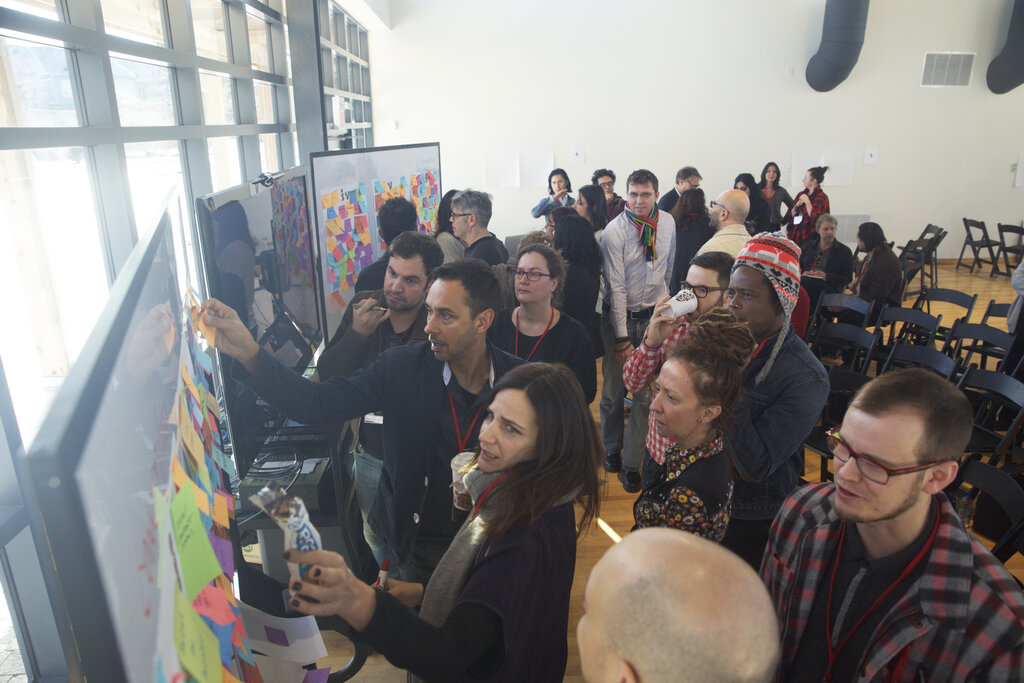
Ultimately, Organizational Information Theory gives us a powerful lens for viewing how companies and teams function. They aren't just executing plans; they are actively interpreting a complex world together, turning ambiguity into action through the ongoing process of sensemaking.