Oregon Turf and Ornamental Exam Prep
Pest Identification
Know Your Enemy
Before you can solve a problem in your garden or lawn, you have to know what you're dealing with. Is that brown patch on your turf a disease, an insect infestation, or something else entirely? Correctly identifying the culprit is the most important step in plant care. Using the wrong solution won't just fail to fix the issue—it can sometimes make things worse or harm beneficial organisms.
In Oregon, the cool, damp climate creates a unique environment for a specific set of pests, diseases, and weeds. Let's get familiar with the common troublemakers you might find on your ornamental plants and turf.
Common Insect Invaders
Many insects are beneficial, but some can cause significant damage. Aphids are a frequent sight on ornamental plants. These small, pear-shaped insects cluster on new growth and the undersides of leaves, sucking sap from the plant. This can cause leaves to yellow, curl, or become stunted. Aphids also excrete a sticky substance called honeydew, which can lead to sooty mold.
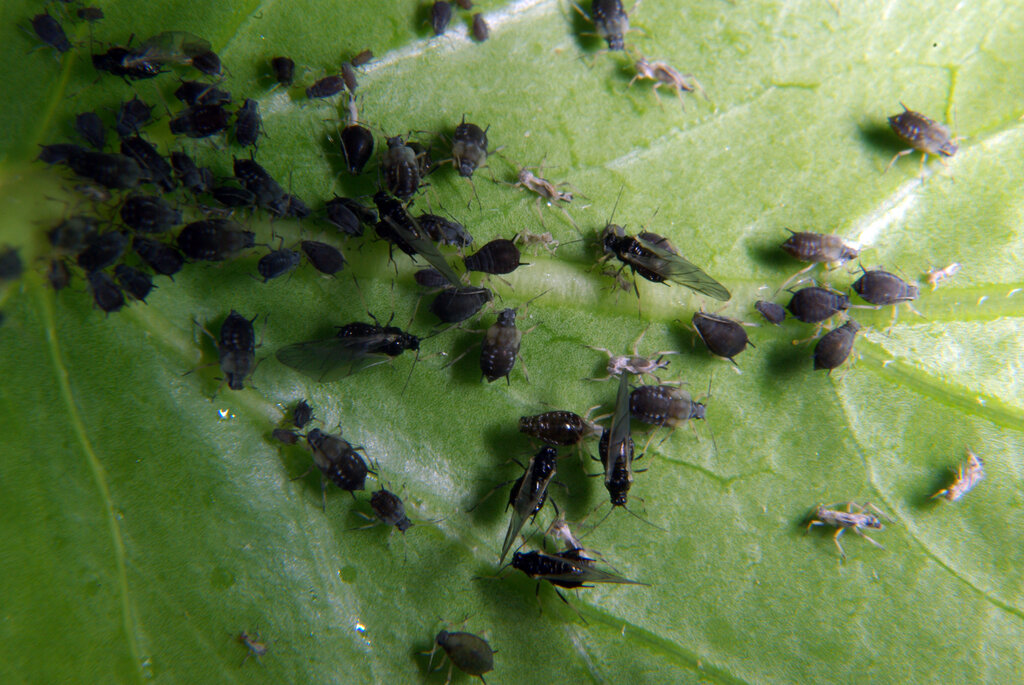
Spider mites are another common pest, especially in warmer, drier conditions. They are tiny arachnids, not insects, and can be hard to see with the naked eye. The first sign of spider mites is often fine webbing on the plant. Their feeding creates tiny yellow or white speckles on leaves. In turf, grubs—the larval stage of beetles like the European Chafer—can be a major problem. They live in the soil and feed on grass roots, causing large, irregular brown patches that can be rolled back like a carpet.
larva
noun
The active immature form of an insect, especially one that differs greatly from the adult and forms the stage between egg and pupa, such as a caterpillar or grub.
Understanding an insect's life cycle is key. Many insects go through metamorphosis, changing form from egg to larva, pupa, and finally adult. Targeting a pest is often most effective during its most vulnerable stage. For example, grubs are easiest to manage when they are young and actively feeding near the soil surface.
Diseases on Display
Plant diseases are often caused by fungi, bacteria, or viruses. In Oregon's climate, fungal diseases are particularly common. Powdery mildew is one you'll likely encounter. It looks like a dusty white or gray coating on leaves, stems, and flowers. It thrives in humid conditions with poor air circulation and can weaken the plant by blocking sunlight.
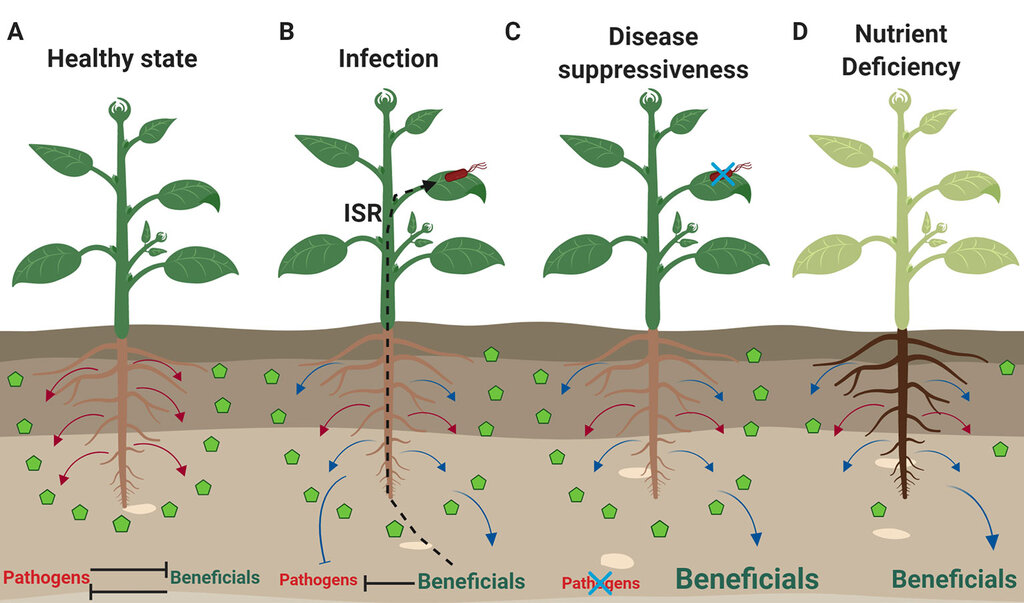
Rust is another fungal disease, appearing as small, reddish-brown to orange pustules on the undersides of leaves. On turf, diseases like dollar spot and red thread are common. Dollar spot creates small, circular, straw-colored patches on the lawn, roughly the size of a silver dollar. Red thread is identified by the pink or reddish, thread-like strands that grow from the tips of grass blades.
Most fungal diseases are opportunistic. They take hold when a plant is stressed and environmental conditions are just right, like after long periods of rain or high humidity.
Weeds in the Way
A weed is simply a plant growing where it isn't wanted. Weeds compete with your desired plants for water, nutrients, and light. In Oregon landscapes, you'll see a mix of broadleaf and grassy weeds.
Common broadleaf weeds include dandelions, recognizable by their bright yellow flowers and deep taproots, and clover, which has three-part leaves and small white or pink flowers. English ivy is an invasive vine that can smother groundcovers and even climb trees, damaging their bark. For grassy weeds, crabgrass is a frequent problem in lawns. It grows in clumps and has coarse, light green blades that spread out like the legs of a crab.
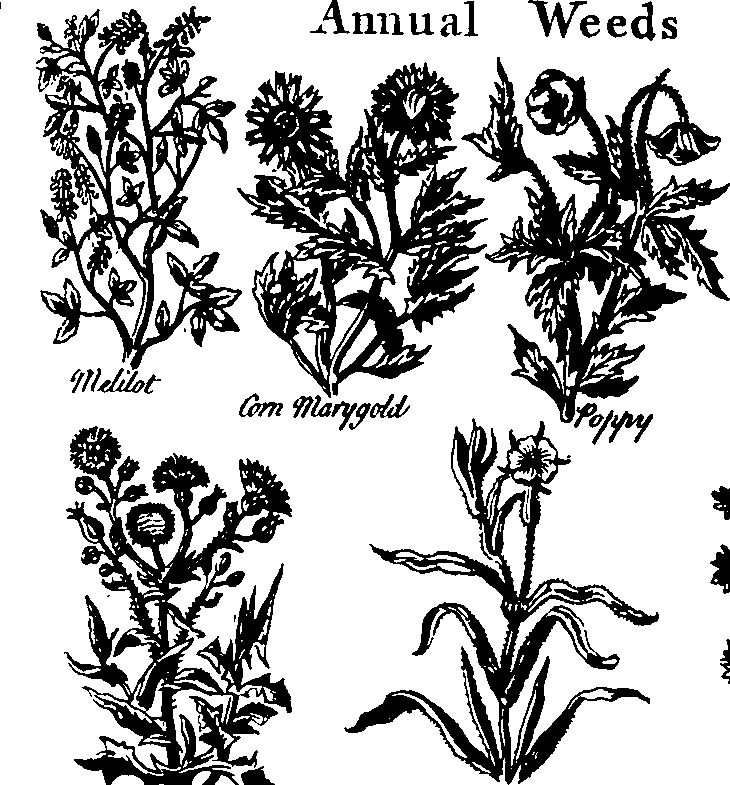
Weeds are generally classified as annuals or perennials. Annual weeds, like crabgrass, grow, produce seed, and die in one year. Perennial weeds, like dandelions, live for multiple years. Their root systems survive the winter and send up new growth each spring. Knowing whether a weed is an annual or a perennial is crucial because it changes how you approach managing it.
You notice a sticky, clear substance on the leaves of your rose bush, which is leading to the growth of a black, sooty mold. What pest is the most likely cause?
Large, irregular brown patches have appeared in your lawn. When you tug on the affected turf, it rolls back easily like a carpet. What is causing this damage?
By learning to spot these common pests, diseases, and weeds, you're building the foundational skill for maintaining a healthy landscape. Accurate identification always comes first.