Order Flow Trading in Futures
Introduction to Futures Markets
What Are Futures Contracts?
A futures contract is an agreement to buy or sell a specific asset at a predetermined price on a future date. Think of it as pre-ordering, but for things like oil, corn, gold, or even financial instruments like stock indexes.
Imagine a farmer who grows wheat and a baker who needs wheat to make bread. The farmer worries the price of wheat will drop before harvest, while the baker worries the price will rise. They can agree today on a price for a certain amount of wheat to be delivered in three months. The farmer locks in a sale price, and the baker locks in a purchase price. They've just used a concept similar to a futures contract to manage their risk.
Futures Contract
noun
A legal agreement to buy or sell a particular commodity or financial instrument at a predetermined price at a specified time in the future.
This simple idea serves two main purposes in the market: managing risk and speculating on price changes. For businesses like our farmer and baker, it's about stability. For others, it's an opportunity to profit from correctly predicting which way prices will move.
The Futures Marketplace
These contracts aren't just informal agreements between two people. They trade on large, regulated futures exchanges, like the CME Group (Chicago Mercantile Exchange) or ICE (Intercontinental Exchange). The exchange acts as a middleman for all buyers and sellers.
The exchange guarantees the trade. This means you don't have to worry about the person on the other side of your transaction backing out. This is called clearing, and it removes counterparty risk.
Exchanges also standardize the contracts. Every corn future contract, for example, specifies the same quantity (e.g., 5,000 bushels) and quality of corn. This standardization makes it easy for traders to buy and sell without having to negotiate the fine print each time.
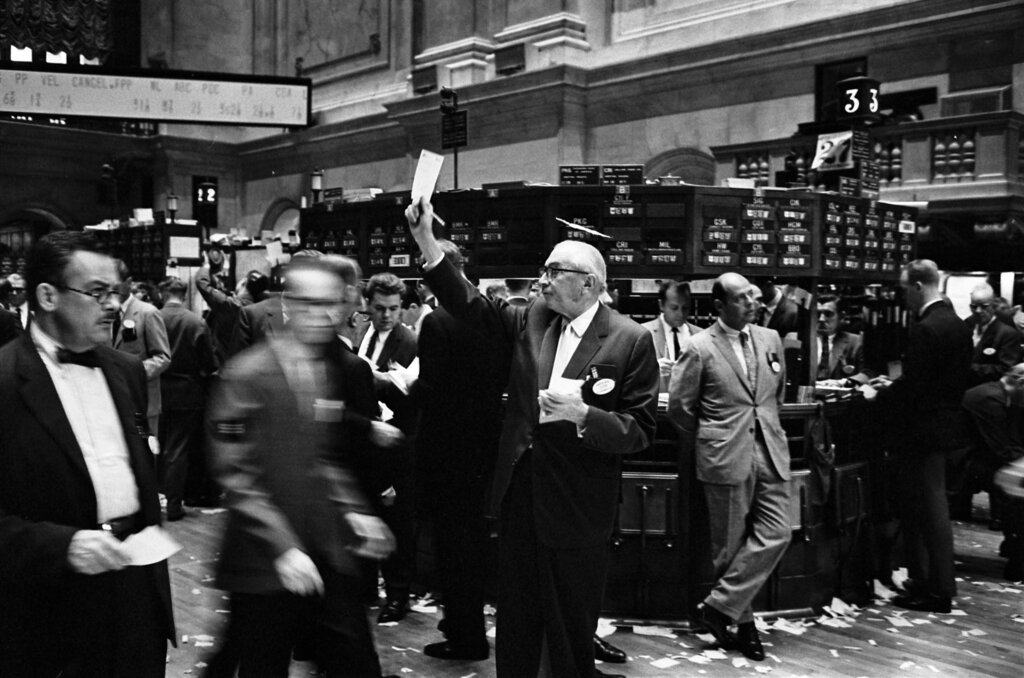
The Players in the Game
The futures market is a diverse ecosystem with three main types of participants, each with different motivations.
Hedger
noun
An investor or producer who uses futures markets to reduce the risk associated with price fluctuations in an asset.
Hedgers are the farmers and bakers of the world. They are companies or individuals that produce or use the underlying asset. An airline might use oil futures to lock in fuel costs, while a mining company might use gold futures to secure a price for its future production. Their primary goal is risk management, not profit from trading.
Speculator
noun
A person who trades derivatives, commodities, or currencies with a higher-than-average risk in return for a higher-than-average profit potential.
Speculators are traders who aim to profit from price movements. They have no interest in owning the actual corn or barrels of oil. They simply bet on whether the price will go up or down. While sometimes seen in a negative light, speculators provide the market with liquidity, making it easier for hedgers to find someone to take the other side of their trade.
Arbitrageur
noun
A trader who attempts to profit from price inefficiencies in the market by making simultaneous trades that offset each other.
Arbitrageurs are like market detectives, searching for small price discrepancies. For example, if a futures contract for gold is priced slightly differently on two separate exchanges, an arbitrageur might buy it on the cheaper exchange and sell it on the more expensive one simultaneously. Their actions help keep prices consistent and the market efficient.
How Futures Trading Works
Trading futures involves a few key mechanics that are different from buying stocks. The most important concepts are leverage, margin, and daily settlement.
Leverage: Futures trading uses leverage, meaning you can control a large contract value with a relatively small amount of money. For example, you might only need $5,000 to control $100,000 worth of a stock index. This magnifies both potential profits and potential losses.
Margin: The money you put up to open a futures position is not a down payment. It's a good-faith deposit called margin. There are two types: initial margin (what you need to open a trade) and maintenance margin (the minimum amount you must keep in your account).
Mark to Market: At the end of every trading day, the exchange settles all open positions. If your position made money, cash is added to your account. If it lost money, cash is taken out. This is called "marking to market." If a loss drops your account below the maintenance margin level, you'll get a "margin call" from your broker, requiring you to deposit more funds to keep the trade open.
| Day | Position Value | Account Balance | Status |
|---|---|---|---|
| 1 (Open) | $100,000 | $5,000 (Initial Margin) | Open |
| 2 (Loss) | $98,000 | $3,000 | Margin Call! (Below $4,000 maintenance) |
| 3 (Deposit) | $98,000 | $5,000 | Position Maintained |
| 4 (Gain) | $101,000 | $8,000 | Profitable |
Most speculators close out their position before the contract's expiration date. To do this, you simply take an opposite trade. If you bought one contract to open your position, you would sell one contract to close it. The net difference between your purchase price and sale price is your profit or loss.
An airline company, concerned about rising fuel prices, decides to buy oil futures contracts to lock in a price for their future fuel needs. What role is this company playing in the futures market?
What is the daily process of settling all open futures positions to reflect their current market value, resulting in cash being added to or taken from an account?
Understanding these core components of the futures market is the first step. With this foundation, you're ready to explore how traders analyze the flow of buy and sell orders to make informed decisions.