Orchestral Oboe Audition Mastery
Understanding the Oboe Hiring Process
The Audition Gauntlet
Landing a job as an oboist in a professional orchestra is less like a job interview and more like an Olympic event. It's a highly structured, multi-stage competition where musicians are evaluated on technical skill, musicality, and consistency under pressure. The entire process is designed to find the one player who fits the orchestra's specific needs and sound.
Each orchestra has its own slightly different procedure, but the overall structure is remarkably consistent across the industry. Think of it as a funnel, starting with a large pool of applicants and narrowing down to a single hire after several intense rounds.
The Four Main Stages
First is the application and screening round. Hopefuls submit a resume and, increasingly, a recording. An audition committee listens to these recordings—often anonymously—to decide who gets invited to the live audition. This step weeds out a significant portion of applicants.
Next comes the preliminary round. This is the first live audition, and it's almost always performed behind a screen to ensure anonymity. Candidates play a short list of required musical excerpts to demonstrate their fundamental skills. The committee listens for impeccable rhythm, intonation, and tone.
Those who advance move to the semi-final round. The list of required excerpts gets longer and more difficult. The screen may or may not be removed at this stage, depending on the orchestra. Here, the committee is looking for musicality and the ability to handle a wider range of the repertoire.
Finally, a small handful of musicians make it to the final round. The screen is almost always down by this point. Candidates will play more excerpts, and may be asked to perform a solo piece like the Mozart Oboe Concerto. Sometimes, they'll even be asked to play with a woodwind section from the orchestra to see how their sound blends.
The final round is the ultimate test, where a candidate must prove they can not only play the notes, but also fit into the orchestra's unique musical identity.
Understanding the Requirements
When an orchestra announces an opening, it publishes an audition repertoire list. This is the official list of music that every candidate must prepare. It’s not optional.
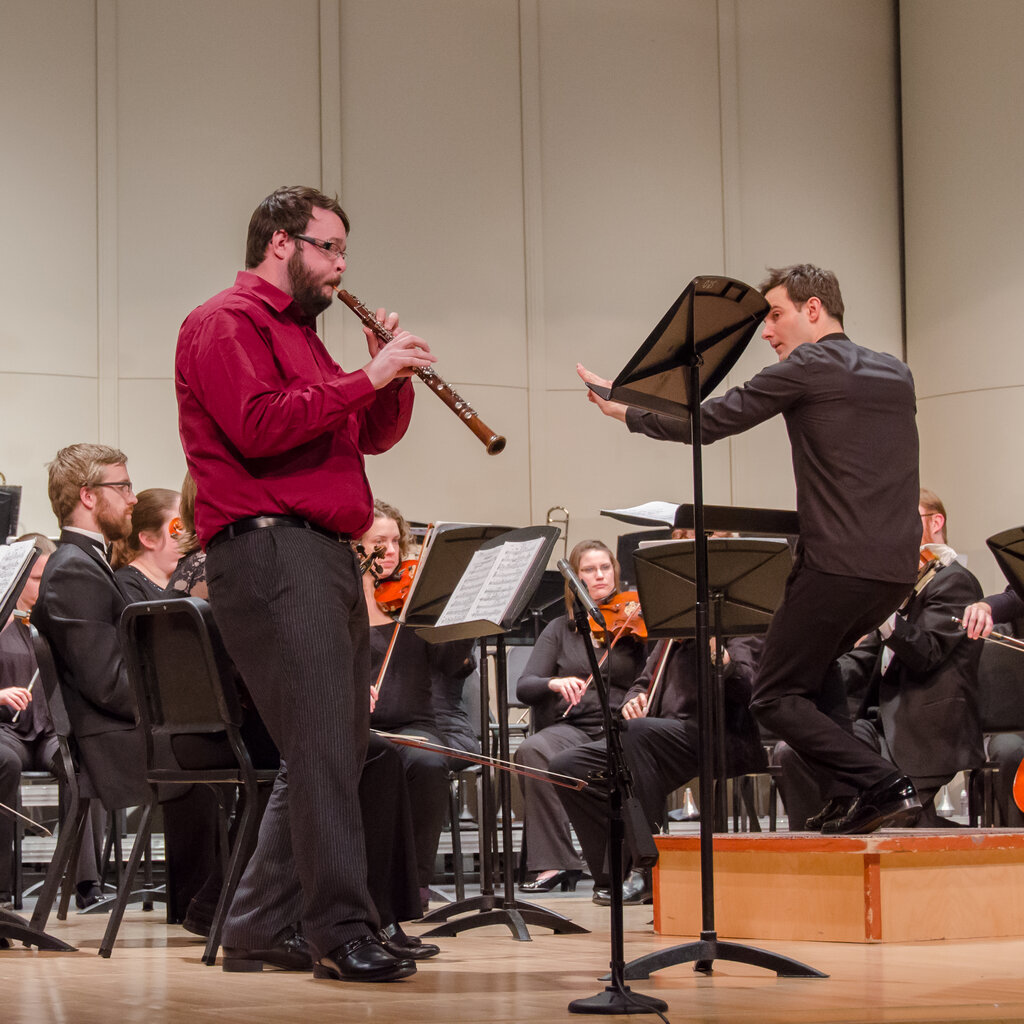
The list typically includes two main components:
- A solo piece: This is usually a movement from a major oboe concerto, like those by Mozart or Strauss. It's meant to showcase the player's technical virtuosity and soloistic voice.
- Orchestral Excerpts: This is the most critical part of the audition. The list will contain 15-20 short passages from famous symphonies and operas. These aren't random selections; they are the hardest and most iconic oboe solos in the orchestral literature. A passage from Brahms' Violin Concerto or Ravel's Le Tombeau de Couperin will almost certainly be on the list.
While every orchestra's list is slightly different, the core excerpts are standard. An orchestra hiring for a principal oboe position will have a different list than one hiring for a second oboe and English horn player. The lists are tailored to the specific duties of the job.
Audition procedures can vary. Most major U.S. orchestras use a screen for at least the preliminary rounds to combat bias. In Europe, unscreened auditions are more common. Some auditions might include a sight-reading test to see how well a musician can perform unfamiliar music on the spot. The key is to read the audition announcement carefully and prepare for exactly what that specific orchestra requires.
Ready to test your knowledge?
What is the primary purpose of the screen used in the initial rounds of many U.S. orchestral auditions?
Which part of the audition repertoire list is considered the most critical for demonstrating a candidate's suitability for an orchestral role?
Navigating the orchestral audition circuit requires talent, persistence, and a deep understanding of the process itself.