Oracle PeopleSoft Fundamentals
Introduction to PeopleSoft
Meet PeopleSoft
Think of a large company. It has hundreds or thousands of employees, complex financial accounts, and countless moving parts. How does it keep everything organized? For many businesses, the answer is a type of software called an Enterprise Resource Planning (ERP) system. Oracle's PeopleSoft is one of the most well-known ERPs in the world.
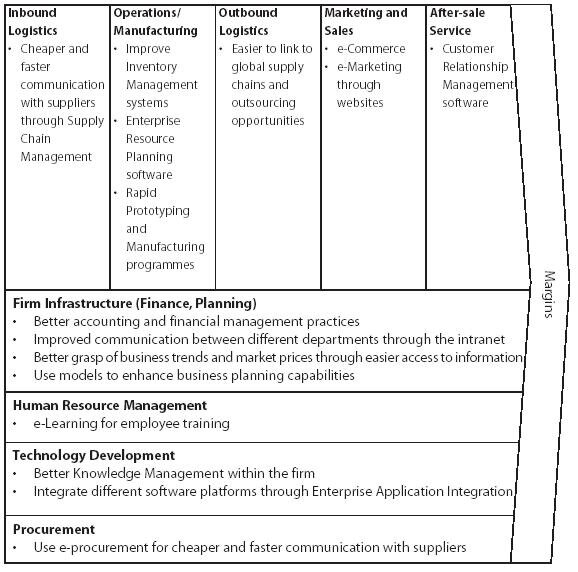
At its core, PeopleSoft is a comprehensive suite of applications that helps organizations manage their most critical business functions. It acts like a central hub, connecting different departments and ensuring everyone works with the same, up-to-date information. Instead of having separate software for accounting, human resources, and supply chain, PeopleSoft brings them all under one roof.
A Brief History
PeopleSoft was founded in 1987 by Dave Duffield and Ken Morris. Their initial goal was to create a user-friendly human resources application. At the time, most business software ran on cumbersome mainframes. PeopleSoft pioneered a client-server approach, which was more flexible and easier for people to use directly from their desktop computers. This focus on the user experience helped it grow rapidly.
The company didn't stop at HR. Over the years, it expanded its offerings to include finance, supply chain management, and customer relationship management. It grew into a full-fledged ERP system. In 2005, after a highly publicized corporate battle, PeopleSoft was acquired by Oracle. Under Oracle's ownership, the software has continued to evolve, adapting to new technologies like cloud computing and mobile access.
The Role of an ERP
Why is an integrated system like PeopleSoft so important? Imagine a company where the HR department has one record for an employee's salary, but the payroll department has a slightly different one. Small errors like this can create huge headaches. An ERP system aims to eliminate these problems by creating a single source of truth for all company data.
When all departments pull from the same well of information, processes become smoother, data is more reliable, and leaders can make better-informed decisions.
This integration streamlines business processes. For example, when a salesperson closes a deal in the sales module, the system can automatically update inventory levels in the supply chain module and generate an invoice in the finance module. This automation saves time, reduces manual errors, and makes the entire organization more efficient.
A Tour of the Core Modules
PeopleSoft is organized into several core modules, each designed to handle a specific area of the business. While we won't dive deep into their functions here, it's helpful to know the main categories.
| Module Category | Description |
|---|---|
| Human Capital Management (HCM) | This is PeopleSoft's original specialty. It covers everything related to employees: HR, payroll, benefits, and talent management. |
| Financial Management | Manages all the financial aspects of the business, including general ledger, accounts payable and receivable, and expense tracking. |
| Supply Chain Management (SCM) | Handles the flow of goods and services, from sourcing raw materials to managing inventory and delivering final products. |
| Customer Relationship Management (CRM) | Focuses on managing interactions with current and potential customers to improve relationships and drive sales. |
| Campus Solutions | A specialized module for educational institutions to manage student admissions, registration, financial aid, and academic records. |
Each of these pillars contains a set of more specific applications. Together, they provide a powerful toolkit for running a modern enterprise.
What is the primary function of an Enterprise Resource Planning (ERP) system like PeopleSoft?
When PeopleSoft was originally founded in 1987, what was its initial application focus?