Oracle Integration Cloud Essentials
Introduction to Oracle Integration Cloud
Connecting the Dots
Imagine a company where the sales team uses one software, the marketing team another, and the finance department a third. Each system holds a piece of the puzzle, but because they don't talk to each other, no one sees the full picture. This is a common problem in business: applications and data get trapped in separate silos.
When your apps don't communicate, your teams can't either. This leads to manual data entry, mistakes, and missed opportunities.
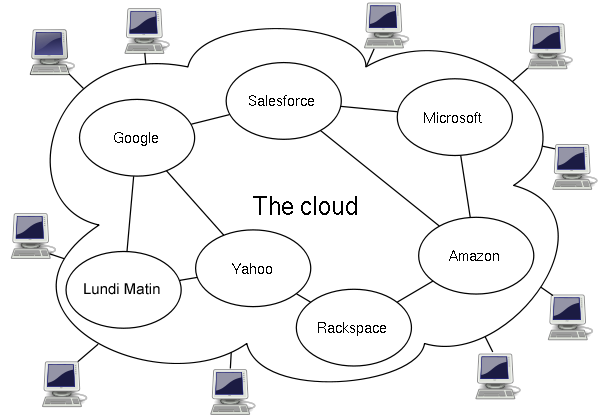
Oracle Integration Cloud, or OIC, is a platform designed to solve this exact problem. It acts as a universal translator, allowing different applications—whether they're in the cloud or running on a company's own servers—to share data and work together seamlessly. It’s a single platform to connect everything, automate processes, and gain insights from your data.
The Three Pillars of OIC
Oracle Integration Cloud is built on three main components that work together. Understanding these pillars helps clarify what OIC can do for a business.
1. Application Integration
This is the core of OIC. Its job is to build bridges between different applications. For instance, when a new customer is added to a sales application like Salesforce, Application Integration can automatically create a corresponding record in an Oracle ERP system for billing. It uses pre-built connectors and a simple visual interface, so you don't need to write complex code to make these connections happen.
2. Process Automation
Once applications are connected, you can automate entire business processes that span across them. Think of onboarding a new employee. This involves multiple departments: HR, IT, and Finance. Process Automation can orchestrate the entire workflow. It can automatically create a user account, assign training, and set up payroll, notifying the right people at each step. This turns a series of manual tasks into a smooth, automated process.
3. Visual Builder
Visual Builder allows you to create and host web and mobile applications with minimal coding. Because it's part of OIC, these new apps can easily connect to the data and processes you've already integrated. For example, you could quickly build a mobile app for your field service team that pulls customer data from one system and inventory information from another, all in real-time.
OCI is designed with hybrid cloud environments in mind, offering seamless integration with on-premise solutions.
Why Bother With Integration?
Using a platform like OIC brings several key benefits to a business. By breaking down data silos, companies get a single, accurate view of their operations. This leads to better decision-making.
Automating workflows doesn't just save time; it reduces human error and frees up employees to focus on more strategic work. It also makes the business more agile. When all systems are connected, it's easier to adapt and respond to changes in the market.
| Benefit | How OIC Helps |
|---|---|
| Efficiency | Automates manual data entry and repetitive tasks. |
| Better Insights | Creates a single source of truth for more reliable analytics. |
| Agility | Allows businesses to quickly connect new apps and adapt processes. |
| Improved Experience | Ensures consistent data for customers and employees across all platforms. |
Ultimately, OIC helps businesses streamline their operations, making them more efficient and responsive in a world where technology is constantly changing.
Time to check what you've learned.
What is the primary problem Oracle Integration Cloud (OIC) is designed to solve?
Which OIC component is specifically responsible for orchestrating multi-step, multi-department workflows like employee onboarding?
By connecting applications and automating processes, OIC provides the foundation for a more modern, efficient enterprise.