Oracle Fusion for Banking Finance Transformation
Introduction to Finance Transformation
What Is Finance Transformation?
Finance transformation is about rethinking the role of the finance department in a bank. Traditionally, finance teams focused on bookkeeping, closing the books each month, and reporting on past performance. It was a necessary, but often reactive, part of the business.
Today, that's changing. Finance transformation is the strategic overhaul of a bank's financial operations, processes, and technology. The goal isn't just to do the old tasks faster, but to empower the finance team to become a strategic partner in the business. It’s about shifting from simply recording history to helping shape the future.
Instead of just asking "What happened?", a transformed finance department helps answer "What's next, and how do we get there?"
The Drivers of Change
This shift isn't happening in a vacuum. Several powerful forces are pushing banks to modernize their finance functions.
First, regulatory demands are constantly growing. Governments and international bodies impose strict rules on reporting and risk management. Old, manual processes are slow, expensive, and prone to error, making it hard to keep up with compliance.
Second, technology is advancing at an incredible pace. The rise of cloud computing, artificial intelligence (AI), and advanced analytics has unlocked new possibilities. Tasks that once took teams of people weeks can now be automated, freeing them up for more valuable work.
Finally, the competitive landscape is fiercer than ever. Agile fintech startups and digitally-savvy competitors are setting new standards for efficiency and customer service. To compete, traditional banks must become more nimble and data-driven.
The Digital Overhaul
Digitalization is at the heart of finance transformation. It involves adopting new tools and technologies to streamline operations. This goes beyond simply replacing spreadsheets with software. It's about creating a connected, automated financial ecosystem.
Think about the monthly close process. In a traditional setting, it's a frantic scramble of manual data entry, reconciliations, and report building. With modern digital tools, much of this can be automated. Data flows seamlessly from different systems into a central ledger, reconciliations happen in real-time, and reports are generated automatically. This not only saves time and reduces errors but also provides leaders with faster access to critical financial information.
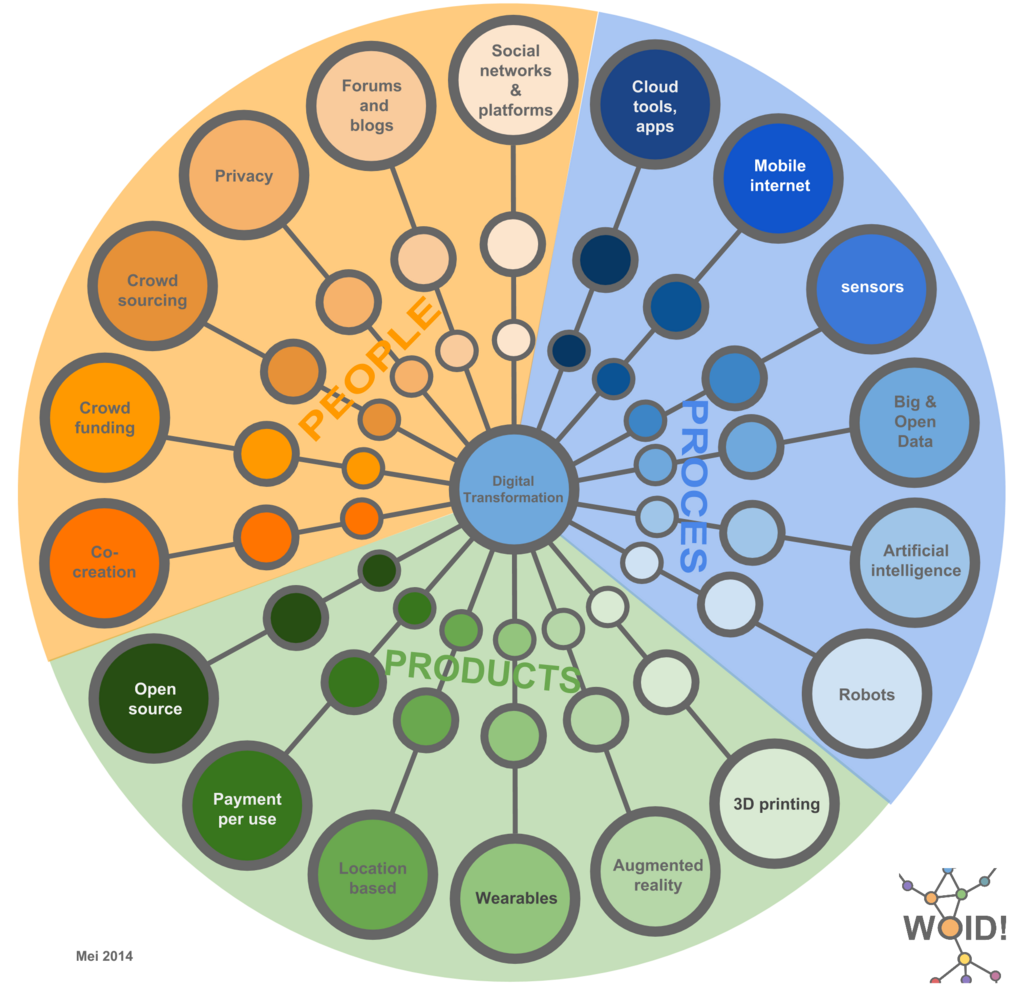
Digital transformation is a key that offers a powerful solution, enabling modernized financial operations through advanced technologies like AI, cloud computing, and analytics.
This efficiency frees up finance professionals to focus on higher-value activities. Instead of just crunching numbers, they can analyze trends, model future scenarios, and provide the strategic insights needed to guide the bank's decisions. They become storytellers, using data to explain what’s happening in the business and where the best opportunities lie.
Now that you understand the what and the why of finance transformation, let's test your knowledge.
What is the primary goal of finance transformation in a bank?
Which of the following is NOT described as a major force driving finance transformation in banking?
By embracing these changes, banks can build a finance function that is not just a cost center, but a driver of value and a crucial part of navigating an uncertain future.