Oracle AI Explained
Introduction to Oracle AI
What is Oracle AI?
Oracle AI isn't a single, standalone product. Instead, think of it as a layer of intelligence woven into the fabric of Oracle's cloud applications and infrastructure. From finance and human resources to sales and supply chain management, these services are designed to make existing business tools smarter and more efficient.
The goal is to provide ready-to-use AI capabilities that solve real-world business problems. Instead of needing a team of data scientists to build everything from scratch, companies can use pre-built models or easily create their own. The focus is on practical application, not just the underlying technology.
Oracle AI services offer businesses the tools they need to revolutionize their operations, make smarter decisions, and stay competitive in an increasingly data-driven world.
A Smarter Business Ecosystem
For Oracle, integrating AI is a core strategic move. Many of the world's largest companies already store their most critical business data—sales figures, customer histories, supply chain logistics—within Oracle's databases and applications. This existing data is the fuel for powerful artificial intelligence.
By building AI directly into its ecosystem, Oracle allows businesses to unlock insights from their own data without complex integration projects. The intelligence is brought to the data, not the other way around. This means an AI model can analyze years of sales data to predict future trends right inside the financial application the team uses every day.
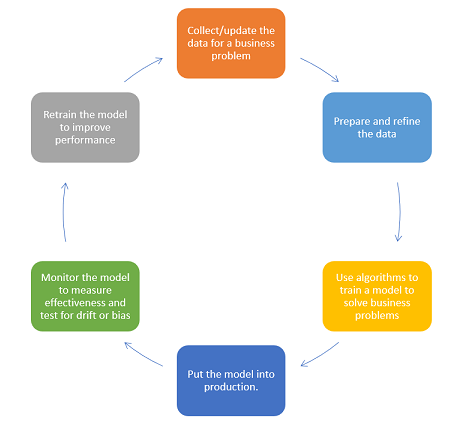
This seamless integration is what makes the strategy so powerful. It transforms AI from a separate, specialized tool into a natural part of daily work, helping employees make better-informed decisions on the spot.
Key Benefits for Business
The primary benefit of integrating AI into business processes is enhanced efficiency. Oracle's AI services automate repetitive, time-consuming tasks, freeing up employees to focus on more strategic work. For example, AI can automatically process thousands of invoices, flagging exceptions for human review, which drastically reduces manual data entry.
A sales team could use AI to analyze customer data and identify which leads are most likely to make a purchase, allowing them to prioritize their efforts and close more deals.
Another key advantage is improved decision-making. By analyzing vast amounts of data, AI can uncover patterns and trends that would be impossible for a human to spot. This leads to more accurate forecasting, better resource allocation, and a deeper understanding of customer behavior. A supply chain manager, for instance, might get an AI-powered alert about a potential disruption and receive recommendations for rerouting shipments before a delay even occurs.
Finally, these tools help create more personalized customer experiences. AI can analyze a customer's past interactions to anticipate their needs and offer tailored recommendations or support, leading to higher satisfaction and loyalty.
What is the primary strategic advantage of Oracle's approach to AI, as described in the text?
Which of the following is highlighted as a key benefit of using Oracle's integrated AI services?
By embedding AI across its entire suite of products, Oracle aims to make businesses more predictive, efficient, and responsive.