Options Spreads for CFA Level 3
Options Trading Basics
The Right, Not the Obligation
Options are financial contracts that give the buyer the right, but not the obligation, to buy or sell an underlying asset at a specific price on or before a certain date. Think of it like putting a deposit on a house. You pay a small fee to lock in the purchase price for a set period. If you decide not to buy, you only lose the deposit, not the full value of the house. In trading, this 'deposit' is called a premium.
Think of options as an agreement, a contract giving you the right, but not the obligation, to buy or sell an underlying asset – typically shares listed on the NSE or BSE – at a predetermined price (called the strike price) on or before a specific date (the expiration date).
This structure is powerful. It allows traders to speculate on price movements or hedge existing positions with less capital than buying the asset outright. The key takeaway is the flexibility: you have the choice to act, but you're not forced to.
Calls and Puts
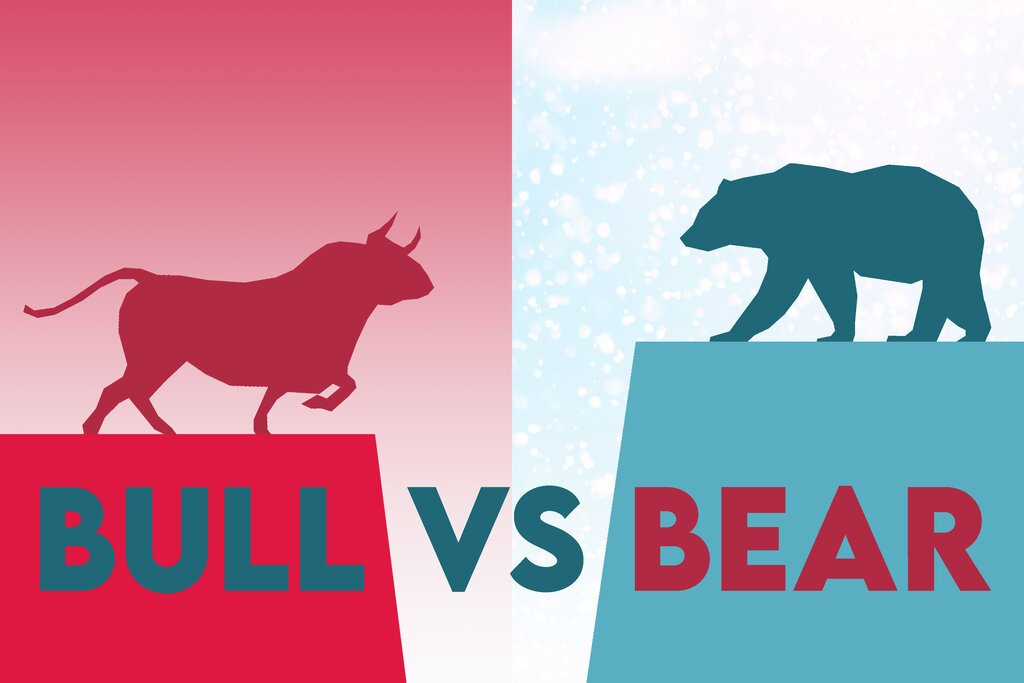
Every option is either a 'call' or a 'put'. They are two sides of the same coin, representing opposite bets on an asset's future price.
Call Option
noun
A contract that gives the holder the right to buy an asset at a stated price within a specific timeframe. You buy calls when you believe the asset's price will rise.
For example, if a stock is trading at $45, you might buy a call option to purchase it at $50. If the stock price climbs to $55, your right to buy at $50 becomes valuable. If the price never goes above $50, your option expires worthless.
Put Option
noun
A contract that gives the holder the right to sell an asset at a stated price within a specific timeframe. You buy puts when you believe the asset's price will fall.
Conversely, if you think that same $45 stock is going to drop, you could buy a put option to sell it at $40. If the stock price falls to $35, your right to sell at $40 is profitable. If the price stays above $40, your option is worthless.
The Anatomy of a Contract
Every options contract is defined by a few key terms. Understanding them is crucial.
Strike Price: The set price at which you can buy (with a call) or sell (with a put) the underlying asset.
Expiration Date: The date when the option contract becomes void. You must exercise your right on or before this date.
Premium: The price you pay to buy the option contract. This is your maximum potential loss when buying an option.
The premium is determined by market forces and is influenced by several factors, including the underlying asset's price, the strike price, and the time remaining until expiration.
Where Value Comes From
An option's premium is made of two distinct parts: intrinsic value and extrinsic value.
Intrinsic value is the amount of money you would make if you exercised the option immediately. It's the straightforward, tangible value of the contract. An option only has intrinsic value if its strike price is favorable compared to the current market price of the asset. For this reason, intrinsic value can never be negative; it's either positive or zero.
| Option Type | How to Calculate Intrinsic Value |
|---|---|
| Call Option | Current Asset Price - Strike Price |
| Put Option | Strike Price - Current Asset Price |
Extrinsic value, often called 'time value', is the part of the premium that isn't intrinsic value. It's the value traders place on the potential for the option to become profitable before it expires. The more time until expiration, the more extrinsic value an option has, because there's more time for the asset's price to move in a favorable direction. Volatility also increases extrinsic value, as a more volatile stock has a greater chance of making a large price swing.
Let's say a stock is trading at 💲105. A call option with a 💲100 strike price has a premium of 💲7.
Its intrinsic value is 💲105 (current price) - 💲100 (strike price) = 💲5. Its extrinsic value is 💲7 (premium) - 💲5 (intrinsic value) = 💲2.
As an option approaches its expiration date, its extrinsic value decays, a phenomenon known as 'theta decay'. At expiration, an option has zero extrinsic value and is worth only its intrinsic value.
Ready to check your understanding? Let's try a few questions.
What is the key characteristic of an options contract for the person who buys it?
An investor believes the price of a stock is going to fall significantly. Which type of option should they buy to potentially profit from this belief?
With these fundamentals in place, you have a solid foundation for understanding how options work and how their value is determined.