Optimizing Zinc for Performance and Genetic Health
Zinc Enzymatic Mechanisms
Zinc's Grip on Genetic Repair
High-intensity training is a cycle of stress and repair. For the body to adapt and grow stronger, it must efficiently repair cellular damage and synthesize new proteins. This entire process is directed by your DNA. Zinc-dependent enzymes like DNA and RNA polymerases are the master builders, reading the genetic blueprint and constructing the molecules needed for recovery. But to do their job, they need to hold onto the DNA strand securely.
This is where zinc fingers come in. These are not literal fingers, but structural motifs in proteins, stabilized by one or more zinc ions. The zinc ion acts like a rivet, coordinating with cysteine or histidine residues to fold a small section of the protein into a compact, finger-like projection. This precise shape allows the protein to slot perfectly into the grooves of the DNA double helix, providing the stable grip needed to read the genetic code accurately.
For a perimenopausal athlete, efficient cellular repair is especially vital. Hormonal fluctuations can impact recovery processes, making adequate zinc status crucial for maintaining the pace of muscle protein synthesis and tissue adaptation. Without enough zinc, these polymerases can't bind to DNA effectively, slowing down the entire recovery cycle.
Managing Acidity and Energy
During intense exercise, your muscles produce metabolic byproducts like carbon dioxide and lactic acid, causing the pH in your tissues to drop. This acidity contributes to fatigue. The body's primary tool for managing this is the enzyme carbonic anhydrase, one of the fastest enzymes known. Located in red blood cells, it contains a critical zinc ion at its active site.
This zinc ion binds a water molecule, making it more acidic and ready to react with CO₂. The enzyme rapidly converts carbon dioxide into bicarbonate, which is then transported out of the tissues and to the lungs for exhalation. This process is essential for maintaining acid-base balance and delaying fatigue during prolonged effort.
Simultaneously, lactate dehydrogenase (LDH) manages energy flow. This zinc-dependent enzyme is a key player in anaerobic glycolysis. When you're pushing hard and oxygen supply can't keep up with energy demand, LDH converts pyruvate into lactate. This reaction regenerates a molecule called NAD+, which is essential for glycolysis to continue producing ATP quickly.
While lactate was once blamed for muscle soreness, it's now understood as a valuable fuel source and a signaling molecule that promotes adaptation. Proper LDH function, supported by zinc, is key to sustaining high-intensity bursts and recovering between them.
Defense and Remodeling
Aerobic metabolism, while efficient, produces as a byproduct. Reactive oxygen species (ROS) are unstable molecules that can damage cells. To combat this, our cells are armed with antioxidant enzymes, including a crucial one called Copper-Zinc Superoxide Dismutase (CuZnSOD).
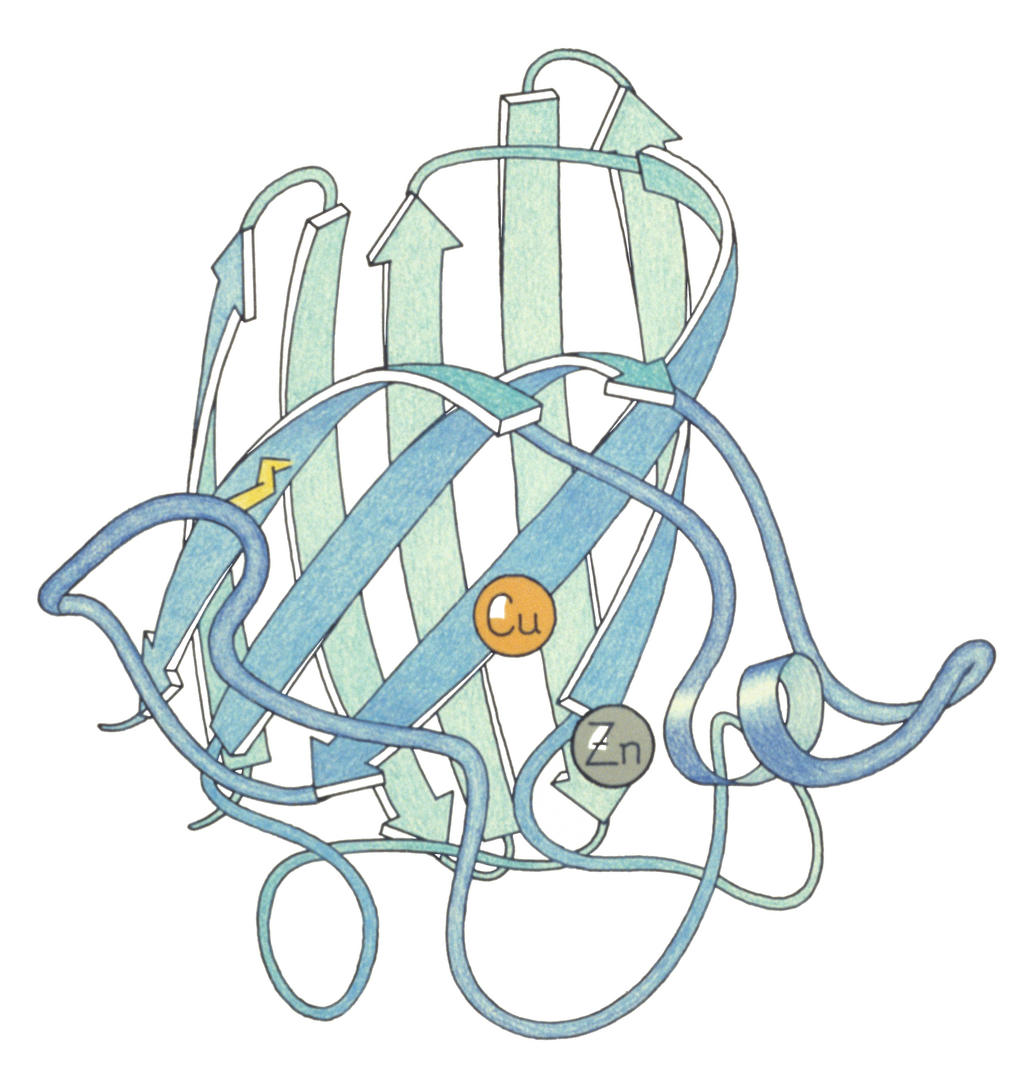
CuZnSOD is a powerful defender found in the cytoplasm of our cells. It rapidly neutralizes a particularly damaging ROS called the superoxide radical. The enzyme's structure features both a copper and a zinc ion. The copper ion is catalytically active, cycling between oxidation states to disarm the radical. The zinc ion plays a purely structural role, stabilizing the enzyme's shape so the copper ion can do its job effectively. This enzymatic defense is critical for mitigating the cellular damage that comes with high training volume.
Finally, the process of adaptation involves breaking down and rebuilding tissue. Microscopic damage to muscle and connective tissue is a necessary stimulus for growth. This remodeling is managed by a family of zinc-dependent enzymes called matrix metalloproteinases (MMPs). MMPs break down components of the extracellular matrix, like old collagen fibers, clearing the way for new, stronger tissue to be built. A balanced activity of MMPs, regulated in part by zinc availability, is essential for healthy tissue turnover and long-term athletic development.
Now, let's review these key zinc-dependent enzymes.
Time to test your knowledge on zinc's role in your athletic performance.
What is the primary function of "zinc fingers" in the context of cellular repair and protein synthesis?
During an intense workout, an athlete experiences a burning sensation as muscle pH drops. Which zinc-dependent enzyme is primarily responsible for managing this acid-base balance by converting CO₂ into bicarbonate?
Understanding how zinc functions at a molecular level highlights its importance not just as a mineral, but as a critical component of the enzymatic machinery that drives athletic performance and recovery.