Optimizing Patient-Facing Health Information
Cognitive Barriers to Understanding
Beyond the Words
Understanding health information isn't just about reading words on a page. A patient can have perfect literacy and still walk out of a clinic confused and unable to follow a treatment plan. The gap between what's said and what's heard is often a matter of cognition, not just comprehension.
The clinical setting itself can be a major barrier. Imagine being given complex instructions in a noisy, unfamiliar room, all while you’re worried about a new diagnosis. This is the reality for many patients. The stress, fear, and time pressure of a medical encounter create a high cognitive load, which is a bit like trying to solve a puzzle while a dozen people are shouting different instructions at you. Your brain’s capacity to process, store, and retrieve new information shrinks dramatically.
This overload means that even simple directions—like “take two pills with food twice a day”—can become jumbled. Was it one pill or two? With food or without? The patient isn't being difficult or forgetful; their brain is simply overwhelmed.
From Knowing to Doing
Understanding is only the first step. Acting on that understanding is what truly matters. The 'Health Literacy and Health Actions' framework helps explain why some patients follow through while others don't. It shows that successful action depends on a combination of a patient’s skills, their belief in their own ability, and their emotional state.
A key piece of this puzzle is —a patient's belief that they have the power to manage their own health. A person might understand perfectly well that they need to change their diet, but if they don’t believe they can actually succeed, they won't even try. This isn't about willpower; it's about confidence rooted in past experiences and support from others.
Low health literacy has been associated with nonadherence to treatment plans and medical regimens, poor patient self-care, high health-care costs, and increased risk of hospitalization and mortality.
The Triple Threat and Skepticism
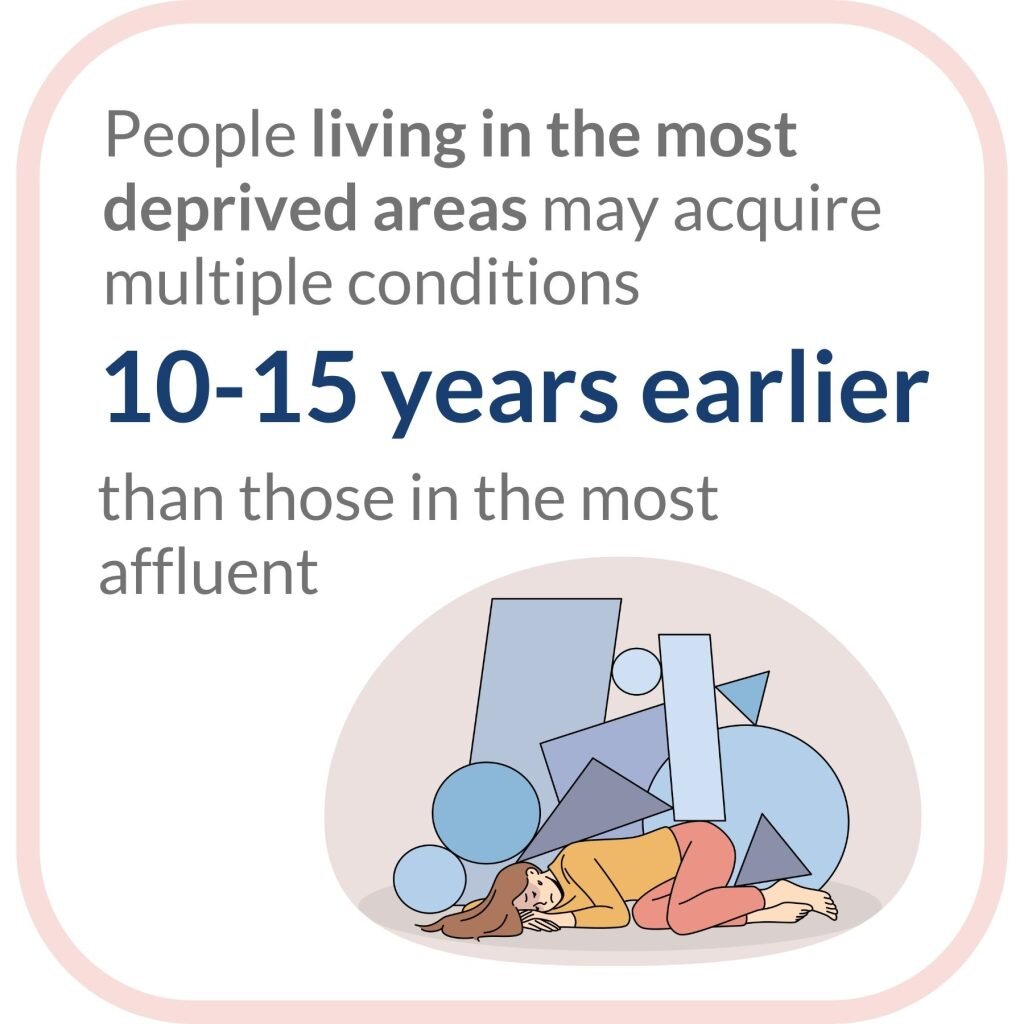
The challenge intensifies when multiple barriers overlap, creating a 'Triple Threat': low health literacy, cultural differences, and limited language proficiency. These factors don't just add up; they multiply. A patient might struggle with medical jargon (literacy), be unable to communicate symptoms effectively (language), and hold beliefs about illness that conflict with the doctor's advice (culture). This messy interaction creates deep cracks where critical information falls through.
This can also fuel skepticism. When a patient doesn't understand the 'why' behind a recommendation, they are less likely to trust it. This is especially true with guidelines based on . To a patient, a recommendation derived from population-level data can feel impersonal and disconnected from their own experience. Without a clear explanation of how that evidence applies to them, the advice can seem arbitrary, leading them to disregard it in favor of personal anecdotes or alternative information.
Finally, emotional distress is a powerful inhibitor of learning. A diagnosis of a serious illness triggers fear, anxiety, and sometimes denial. These emotions hijack cognitive resources, making it nearly impossible to recall details of the conversation later. A patient might nod and seem to understand in the moment, but the information never truly registers. The emotional weight of the news pushes everything else out.
Why might a patient with perfect literacy still struggle to follow a treatment plan after a stressful diagnosis?
A patient understands they need to monitor their blood sugar but doesn't believe they can do it correctly. Which concept best describes this barrier to action?