Optimizing Natural Testosterone Levels
Testosterone Basics
What Is Testosterone?
Testosterone is a hormone, a chemical messenger that helps different parts of the body communicate. It's the main male sex hormone and belongs to a class of hormones called androgens, sometimes referred to as 'male hormones.' While men have much higher levels of testosterone, it's also present and essential for women.
Testosterone
noun
A steroid hormone that stimulates development of male secondary sexual characteristics, produced mainly in the testes, but also in the ovaries and adrenal cortex.
Think of it as a key that unlocks a variety of functions throughout the body, from physical development to mental well-being.
A Hormone for Everyone
In males, testosterone is the primary driver of the physical changes that happen during puberty. It’s responsible for the development of the penis and testes, the deepening of the voice, the growth of facial and pubic hair, and the building of muscle and bone mass. Production is centered in the testes.
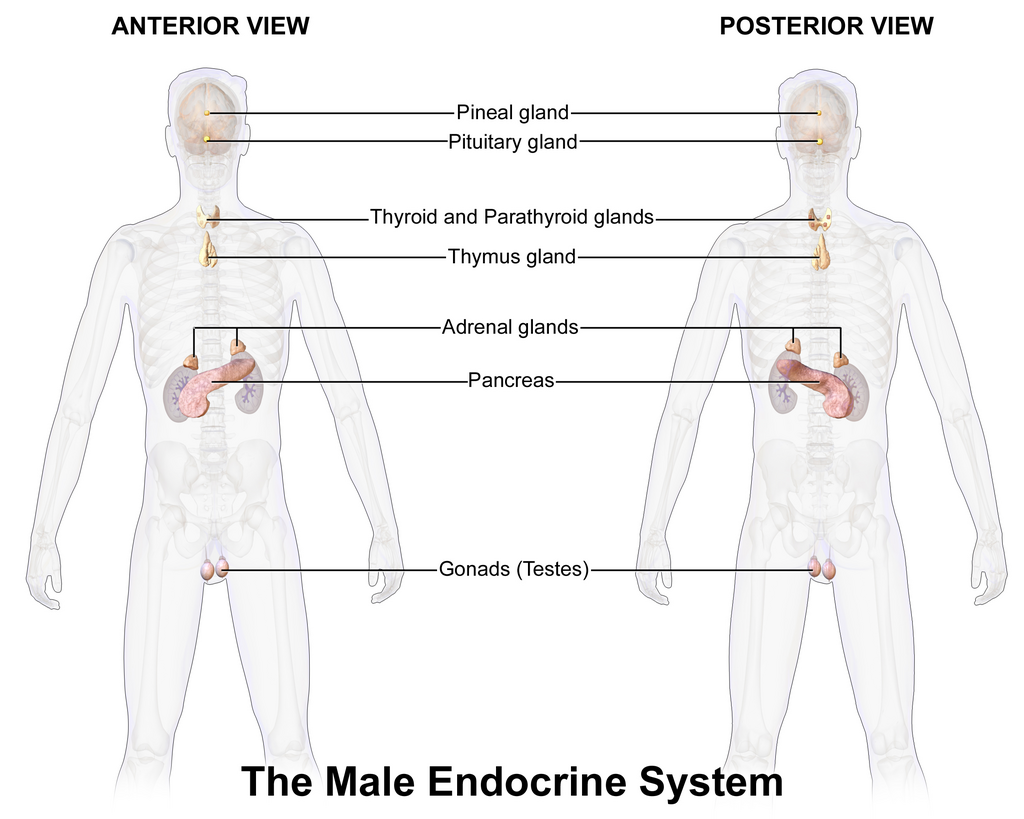
In females, the ovaries and adrenal glands produce testosterone, though in much smaller amounts. It's not a 'male-only' hormone. For women, testosterone contributes to bone strength, libido, and the maintenance of muscle mass. It plays a crucial role in the overall hormonal balance that keeps the body functioning correctly.
Building Blocks of Health
Beyond its role in sexual development, testosterone is vital for maintaining general health for both men and women throughout their lives. Its influence is wide-ranging.
One of its most well-known jobs is building and maintaining muscle. Testosterone increases protein synthesis, the process your cells use to build new proteins. More efficient protein synthesis means it's easier to build and maintain muscle tissue.
Testosterone signals the body to create more protein, which directly contributes to muscle growth and strength.
It's also critical for your skeleton. Testosterone helps maintain bone density, which is the measure of how strong and solid your bones are. Healthy testosterone levels support bone health and can help protect against conditions like osteoporosis, especially as you age.
Finally, this hormone has a significant impact on your brain. It affects mood, energy levels, and even certain cognitive functions. Adequate levels are associated with a sense of well-being, confidence, and motivation. Conversely, low levels can contribute to fatigue, irritability, and difficulty concentrating.
Before we wrap up, let's review some key ideas.
Ready to check your understanding?
What class of hormones does testosterone belong to?
In females, where is testosterone primarily produced?
In short, testosterone is a powerful hormone with a diverse set of responsibilities that are essential for the health of both men and women.