Optimizing Maximal Oxygen Uptake
Physiological Adaptations for Performance
The Engine of Endurance
Your maximum aerobic capacity, or VO2 max, isn't just a number. It's a direct reflection of your body's ability to deliver and use oxygen. At the highest levels of performance, the limiting factor isn't your will, but your physiology. The primary bottleneck is often central: the heart's ability to pump oxygenated blood to the working muscles.
This delivery system is quantified by cardiac output (), the total volume of blood the heart pumps per minute. It's a product of two variables: heart rate () and stroke volume (), the amount of blood pumped with each beat.
While your maximum heart rate is largely fixed by age, your stroke volume has significant room for improvement. Endurance training prompts a specific adaptation in the heart's main pumping chamber, the left ventricle. It undergoes eccentric hypertrophy, where the chamber itself grows larger, allowing it to hold and pump more blood with each beat. This is fundamentally different from the concentric hypertrophy seen in strength athletes, where the heart wall thickens to overcome pressure, often reducing chamber volume.
From Delivery to Use
A powerful heart is only half the equation. The muscles themselves must become more efficient at extracting and using the oxygen delivered to them. This peripheral adaptation is measured by the arteriovenous oxygen difference (a-vO2 diff), which is the difference in oxygen content between the blood arriving at the muscles (arterial) and the blood leaving them (venous). A wider a-vO2 diff means your muscles are pulling more oxygen out of every liter of blood.
What drives this increased oxygen extraction? It happens at the microscopic level. Endurance training triggers —the creation of new mitochondria, the cellular power plants where aerobic metabolism occurs. More mitochondria mean more machinery to use oxygen and produce energy.
Simultaneously, the body grows more capillaries around muscle fibers, a process called capillarization. This dense network reduces the distance oxygen has to travel from the bloodstream to the mitochondria and increases the time blood spends near the muscle fiber, maximizing oxygen uptake. These changes occur in both slow-twitch and the more powerful fast-twitch fibers, making your entire muscular system more aerobically potent.
Blood and Volume
One of the quickest and most crucial adaptations to training is an expansion of plasma volume. Your body essentially adds more of the watery component to your blood, increasing your total blood volume. This might seem counterintuitive, but it's highly effective.
A larger blood volume increases the amount of blood returning to the heart between beats (venous return). This pre-stretches the left ventricle, engaging the Frank-Starling mechanism, which causes the heart to contract more forcefully. More blood in means more blood out—directly boosting stroke volume and, by extension, cardiac output.
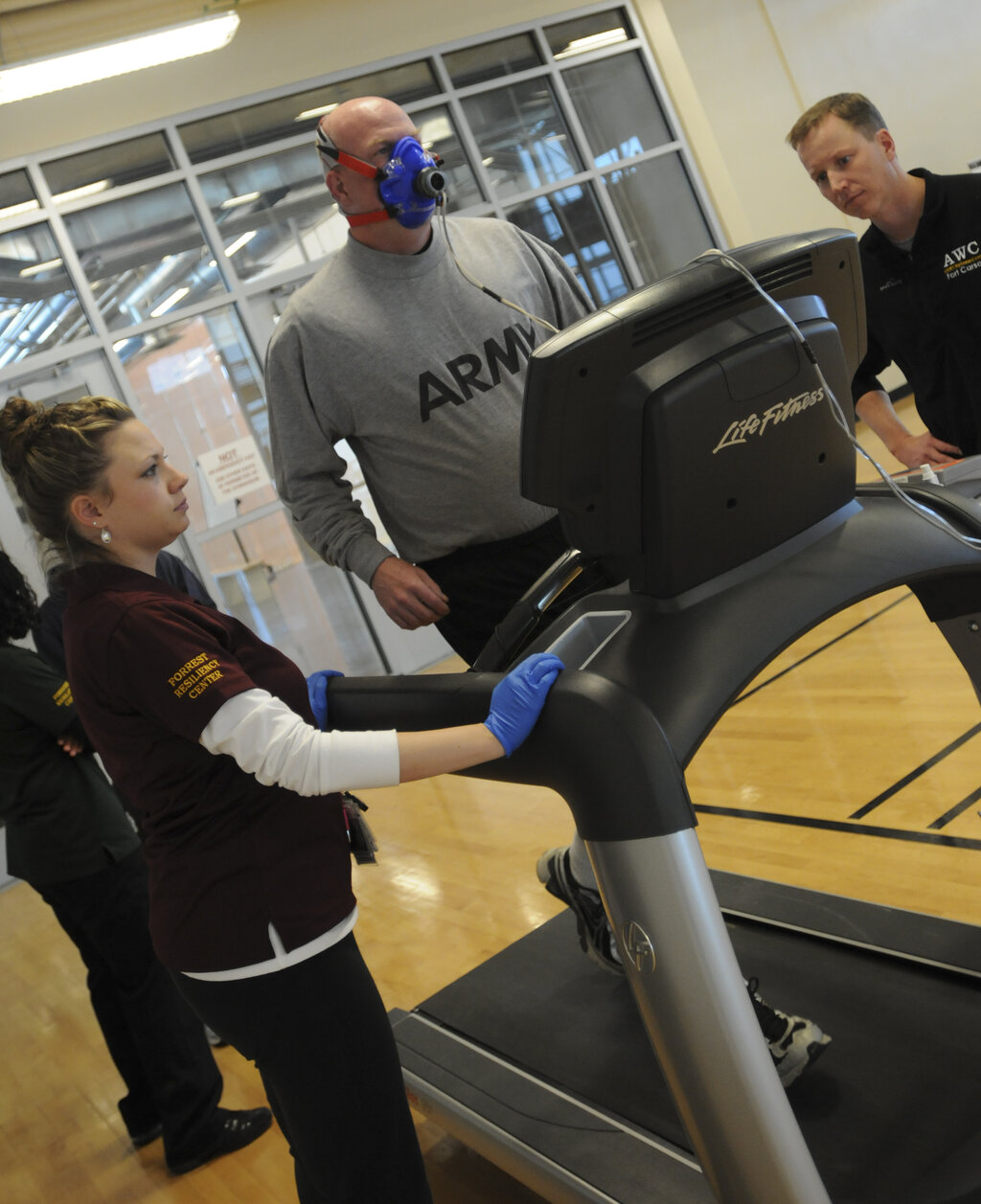
Together, these central, peripheral, and hematological adaptations create a more powerful and efficient aerobic system. The heart pumps more oxygen-rich blood, and the muscles are better equipped to use it. Now, let's test your understanding of these integrated systems.
What is the primary central adaptation of the heart in response to endurance training that leads to an increased stroke volume?
Which of the following is the most direct measure of a muscle's increased ability to extract and use oxygen from the blood?
Understanding these adaptations is key to structuring training that targets the specific systems—central and peripheral—that drive elite endurance performance.