Optimizing Health During Perimenopause
Hormonal Volatility and Transition
The Hormonal Whiplash
The transition into perimenopause is often imagined as a gentle, downward slope of hormonal decline. The reality, especially in the early years, is far more turbulent. It's less of a slope and more of a chaotic rollercoaster. Instead of a steady decrease, your body experiences dramatic hormonal fluctuations, a kind of 'hormonal whiplash' that can feel confusing and unpredictable.
Research shows it’s characterized by three major hormonal changes: erratically fluctuating (and sometimes elevated) estradiol levels, decreased progesterone production from anovulatory or shortened luteal phase cycles, and disturbed ovarian-pituitary-hypothalamic feedback relationships.
The primary driver of this volatility is estrogen. Your brain, sensing that the ovaries are becoming less responsive, sends stronger signals (Follicle-Stimulating Hormone, or FSH) to stimulate egg production. Sometimes the ovaries don't respond. Other times, they overreact, causing estrogen to surge to levels up to three times higher than your typical reproductive peak. This is followed by a sudden crash. These extreme peaks and valleys are responsible for many classic perimenopausal symptoms, even while you are still having regular periods.
The Progesterone Problem
While estrogen is on its wild ride, progesterone is often the first hormone to begin a more consistent decline. Progesterone is released after ovulation, but as you enter perimenopause, anovulatory cycles, cycles where no egg is released, become more common. No ovulation means no progesterone production for that cycle. This creates a state of relative estrogen dominance. Even if your estrogen levels aren't at a high peak, they are high relative to the very low progesterone. This imbalance is a key factor behind symptoms like anxiety, sleep disturbances, and irritability.
An anovulatory cycle creates a progesterone deficit. This throws the delicate estrogen-progesterone balance out of sync, contributing significantly to mood and sleep issues.
This hormonal landscape makes standard blood tests tricky. A single measurement of FSH can be misleading. On one day, your FSH might be high as your brain tries to stimulate the ovaries. A week later, after an estrogen surge, that same FSH level could be suppressed back into the 'normal' range. This is why a clinical diagnosis, based on your cycle patterns and symptoms like brain fog, hot flashes, or sleep changes, is often more reliable than a single hormone test in early perimenopause.
The Brain and Body Under Stress
The constant hormonal shifts put the body under significant stress, which has a direct effect on your adrenal system. Cortisol, the primary stress hormone, can become dominant. Progesterone normally helps to buffer the effects of cortisol, so as progesterone declines, you lose some of that natural calming effect. The result is a system that's more easily triggered into a 'fight or flight' response, leading to heightened anxiety, fatigue, and trouble winding down.
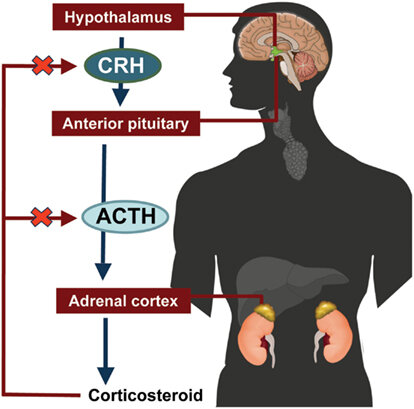
This hormonal stress also impacts you at a cellular level. Estrogen plays a protective role in brain function and helps support mitochondria, the powerhouses of our cells. When estrogen levels crash, mitochondrial function can become less efficient. This directly affects energy production in the brain. The result is the classic 'brain fog' and mental fatigue many experience. The brain's thermoregulatory center, the hypothalamus, also becomes more sensitive to hormonal changes, leading to the sudden, intense heat of hot flashes.
Now, let's test your understanding of these hormonal shifts.
Which statement best describes the hormonal landscape of early perimenopause?
What is meant by 'relative estrogen dominance' in the context of perimenopause?
Understanding this hormonal whiplash is the first step in navigating the transition. It explains why symptoms can appear suddenly and feel so intense, even when your menstrual cycle seems relatively normal.