Optimizing CPAP with Open Bite
Open Bite Interface Selection
The Open Bite Challenge
For many CPAP users, finding a good mask seal is the biggest hurdle. But for patients with an anterior open bite, where the front upper and lower teeth don’t touch when the mouth is closed, this challenge is magnified. The gap creates a tricky anatomical landscape for standard masks.
A traditional full-face mask, which covers both the nose and mouth, relies on the chin and jawline to create a stable, leak-proof seal. With an open bite, the jaw may rest in a slightly open position, creating an uneven surface. This forces the mask cushion to stretch and deform in ways it wasn't designed for, leading to persistent leaks.
Worse, trying to tighten a standard mask to compensate can push the lower jaw backward. This movement can narrow the airway, partially negating the positive pressure therapy. The goal is to find a mask that works with the patient's anatomy, not against it.
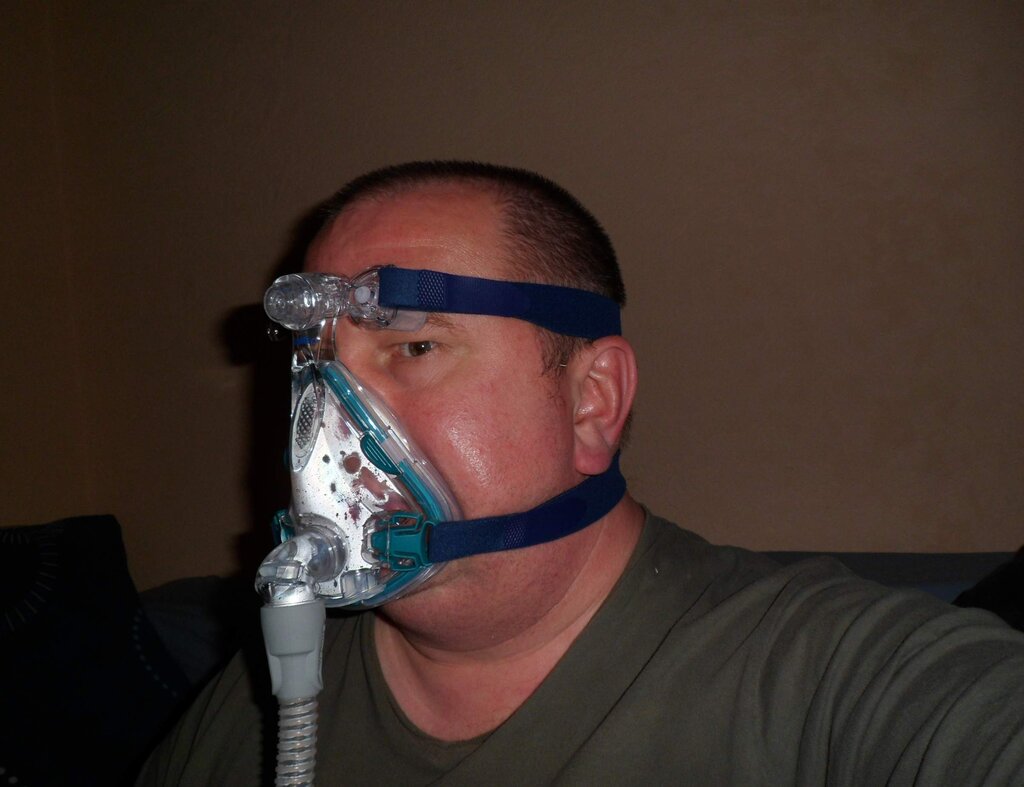
Rethinking the Seal
The solution for open bite patients is often a or an under-the-nose full-face mask. These designs abandon the traditional chin seal entirely. Instead, they create two separate seal points: one around the mouth and another under or at the base of the nose.
Masks like the ResMed AirFit F30i or the Philips Respironics DreamWear Full Face use a cushion that cradles the bottom of the nose. Air is delivered to both the nasal passages and the mouth without a bulky frame covering the nasal bridge. This design offers several key advantages:
- Stable Seal: The seal isn't dependent on jaw position. It seals against the upper lip and around the mouth, bypassing the dental gap.
- Jaw-Neutral Position: Because the mask doesn't cup the chin, it doesn't push the mandible posteriorly. This helps keep the airway as open as possible.
- Improved Comfort: Many users find these masks less claustrophobic and appreciate the clear line of sight for reading or watching TV before sleep.
Cushions and Contours
Beyond the mask's architecture, the cushion material is crucial. Patients with an open bite or other irregular facial contours benefit from softer, more adaptive materials. Modern masks often use silicone with varying thickness or memory foam to help the cushion mold itself to the user's face.
Silicone cushions are durable and easy to clean, but can sometimes slip. Memory foam cushions provide an excellent, gentle seal but require more frequent replacement and careful cleaning. The choice often comes down to a trade-off between longevity and the quality of the initial seal.
By realigning the bite, improving sleep with orthodontics reduces these episodes dramatically—some patients see a 50-70% drop in apnea-hypopnea index (AHI) scores, per data from the Sleep Research Society.
For patients with persistent mouth breathing due to their open bite, an oral-only mask is another option. However, these can cause significant dry mouth and don't pressurize the nasal passages, which can lead to congestion. An oronasal hybrid that seals under the nose is typically a better first choice, as it supports both breathing pathways.
Finding the right mask for an open bite requires looking beyond the standard options. By focusing on under-the-nose designs with flexible cushions, most patients can achieve a comfortable, effective, and stable seal.
For a patient with an anterior open bite, why is it challenging to get a good seal with a standard full-face CPAP mask?
What is the primary risk of overtightening a standard CPAP mask to compensate for an anterior open bite?