Operations Research Essentials
Introduction to Operations Research
Making Better Decisions with Math
How does a massive airline decide its flight schedules to minimize delays and fuel costs? How does a shipping company plan the best routes for its thousands of trucks? They don't just guess. They use a powerful field of study called operations research.
At its core, operations research (OR) is the science of decision-making. It uses mathematics, statistics, and computer science to help organizations solve complex problems and make smarter choices. The goal is usually to find the best possible outcome, whether that's maximizing profit, minimizing cost, or using resources most effectively. This process is often called optimization.
Operations research is a discipline that applies advanced analytical methods to help make better decisions.
Think of it like having a GPS for your business decisions. Instead of just showing you one route, OR can analyze all possible routes, considering traffic, distance, and tolls, to find the absolute best path forward.
From Battlefields to Boardrooms
Operations research wasn't born in a business school. It began during World War II, when military leaders faced enormous logistical challenges. They needed to figure out the most effective ways to deploy radar, manage supply convoys, and plan bombing raids to maximize impact while minimizing losses.
To solve these high-stakes problems, they brought together teams of scientists—mathematicians, physicists, and engineers. This multidisciplinary approach was new. These teams applied scientific methods to military operations, giving the field its name.
After the war, the business world took notice. Industrial leaders realized that the same techniques used to manage military logistics could be applied to improve factory production, manage inventory, and optimize supply chains. OR quickly moved from the battlefield to the world of business, revolutionizing how companies operated.
The OR Process
Solving a problem with operations research follows a structured path. It's not just about crunching numbers; it's a systematic way of thinking.
-
Define the Problem: First, you need to clearly understand the problem you're trying to solve. What is the objective? What are the constraints or limitations? For example, a factory wants to maximize its production, but it's constrained by the number of machines and employee hours available.
-
Build a Model: This is the heart of OR. The real-world problem is translated into a mathematical model, which includes variables (the things you can change, like production levels), constraints (the rules you must follow), and an objective function (what you're trying to maximize or minimize).
-
Find a Solution: Once the model is built, analysts use specialized algorithms and software to find the optimal solution. This solution provides a concrete, data-driven recommendation.
-
Implement and Monitor: The final step is to put the solution into practice. The results are then tracked to ensure the model is working as expected and delivering real benefits.
OR in the Real World
The applications of operations research are incredibly diverse and touch almost every industry. It's a hidden engine that makes many parts of our modern world run more smoothly.
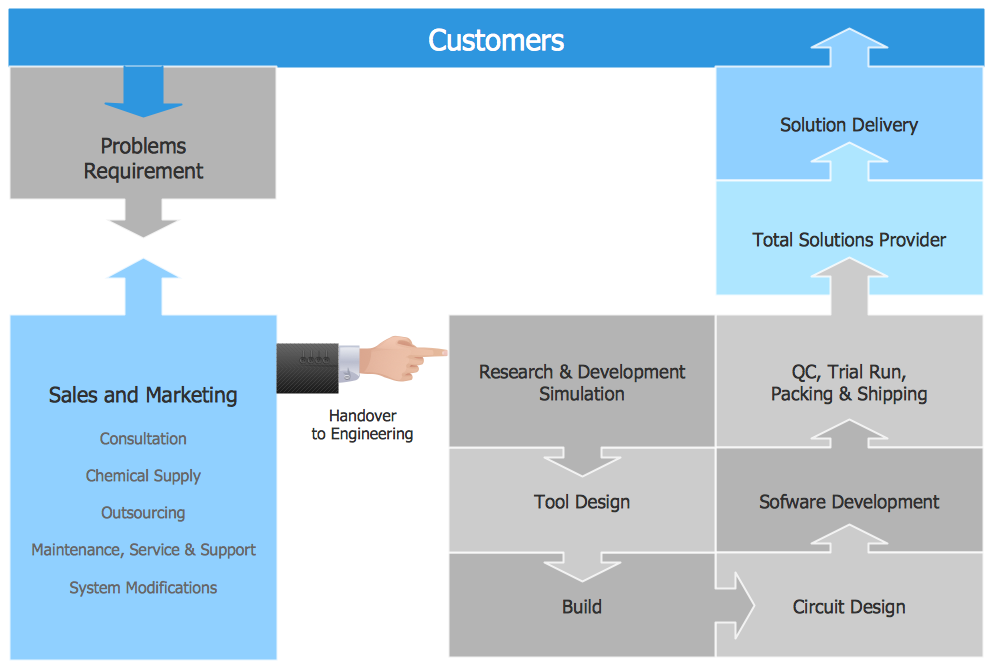
Here are just a few examples of how different sectors use OR.
| Industry | Application | Example |
|---|---|---|
| Transportation | Vehicle Routing | A delivery company uses OR to find the shortest routes for its trucks, saving fuel and time. |
| Airlines | Crew Scheduling | Airlines create optimal schedules for pilots and flight attendants to cover all flights while meeting regulations. |
| Healthcare | Resource Allocation | Hospitals optimize the use of operating rooms and schedule surgeries to reduce patient wait times. |
| Finance | Portfolio Management | Investment firms build models to select a mix of assets that maximizes returns for a given level of risk. |
| Manufacturing | Production Planning | A factory determines the optimal production levels for different products to meet demand and minimize costs. |
From making sure your favorite snack is in stock at the grocery store to helping doctors manage hospital capacity, operations research is constantly working behind the scenes to make complex systems more efficient and effective.
What is the primary goal of operations research?
The field of operations research first emerged from challenges faced during World War II.