Operating System Types Explained
Introduction to Operating Systems
The Computer's Conductor
Think of an operating system (OS) as the conductor of an orchestra. The hardware components—the processor, memory, and storage drives—are the musicians. The software applications you use are the sheet music. Without a conductor, the musicians wouldn't know when to play, how loudly, or in what order. The result would be noise, not music.
The OS is the essential software that manages all the hardware and software on a computer. It acts as a translator, allowing your applications to communicate with the physical components without needing to know the specific details of how each one works. When you click save in a document, the OS handles the complex task of finding space on the hard drive and writing the data.
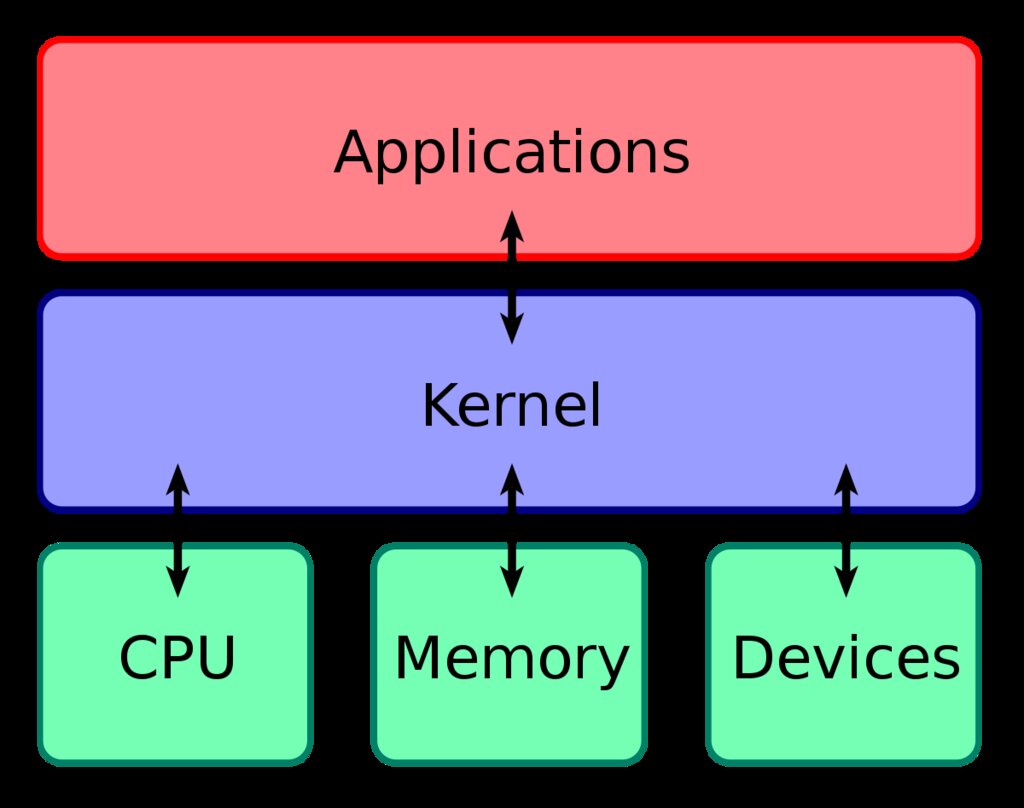
This management role is crucial because a computer has limited resources. There's only so much processing power, memory, and storage available at any given moment. The OS is responsible for allocating these resources efficiently and fairly among all the programs that are running. It accomplishes this through several core functions.
Juggling Tasks and Memory
One of the most important jobs of an OS is process management. A 'process' is just a program in execution. Even when it seems like you're only doing one thing, your computer is running dozens of processes in the background. The OS's scheduler rapidly switches the CPU's attention between these processes, creating the illusion that they are all running simultaneously.
This is like a chess master playing multiple games at once. They make a move on one board, then quickly move to the next, giving each game just enough attention to keep it progressing. The OS does this millions of times per second, ensuring that your web browser, music player, and background updates all get a share of the CPU's time without interfering with each other.
Alongside managing what runs, the OS also manages where it runs. This is called memory management. Each process needs a slice of the computer's RAM (Random Access Memory) to store its instructions and data. The OS is in charge of allocating this memory, ensuring that no two processes try to use the same spot, which would cause crashes and data corruption. When a program closes, the OS reclaims that memory, making it available for the next task.
The Librarian and the Guard
Every file on your computer, from documents to system files, is organized by the OS through a file system. Think of the file system as a vast library. The OS is the librarian who knows where every single book (file) is located. It uses a hierarchical structure of directories (folders) to keep everything organized. When an application needs to read a file, it simply asks the OS, which then retrieves the data from the physical disk.
The file system abstracts away the physical details of storage. You see a file named 'report.docx', but the OS sees a collection of data blocks scattered across a disk drive.
Finally, the OS acts as a security guard. It controls who and what gets access to the system's resources. Security mechanisms built into the OS prevent unauthorized users from accessing files and stop malicious software from interfering with other programs or the system itself. This is managed through user accounts, permissions, and other protective measures that ensure the system remains stable and secure.
By handling these complex, low-level tasks, the operating system provides a stable and consistent platform. It allows software developers to create applications without worrying about the specifics of the hardware, and it gives users a simple way to interact with incredibly complex machines.
In the analogy of a computer as an orchestra, what role does the operating system play?
What is the primary function of an OS scheduler in process management?