Operating System Types Explained
Introduction to Operating Systems
The Computer's Conductor
Think of a computer as an orchestra. You have the hardware sections: the strings (CPU), the brass (memory), the percussion (storage), and so on. They're all powerful, but without a conductor, they'd just be a mess of noise. The operating system (OS) is that conductor. It's the master program that directs all the hardware and software, making sure they play together in harmony.
At its core, an operating system (OS) is the software that manages computer hardware and software resources, and provides common services for computer programs.
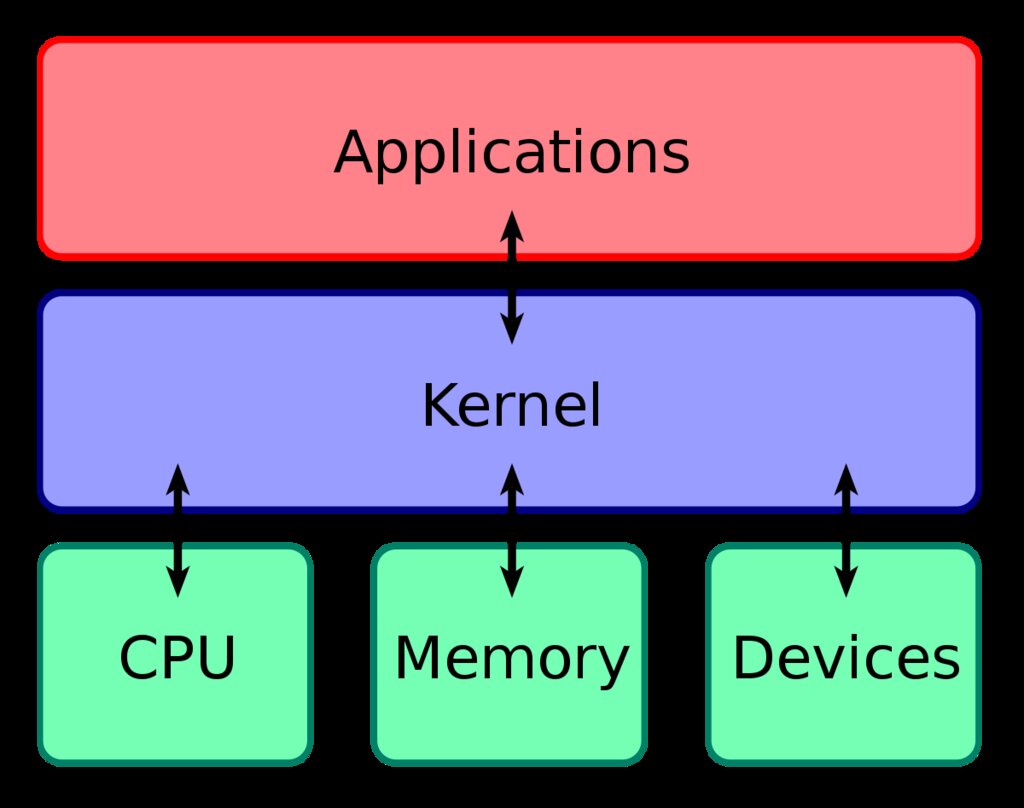
Essentially, the OS is the bridge between you and the physical machine. When you click an icon to open an application, you aren't directly telling the processor what to do. You're telling the operating system, which then translates your request into instructions the hardware can understand. It creates a user-friendly environment so you don't have to speak the computer's native language of ones and zeros.
The Five Main Jobs
Every operating system, whether it's on your phone or a massive server, performs five core functions to keep everything running smoothly.
Process Management: If you're listening to music while writing an email and downloading a file, the OS is the one juggling these tasks. It allocates the processor's attention to each application, switching between them so quickly it feels like they're all running at once.
Memory Management: The OS is also in charge of the computer's Random Access Memory (RAM). It gives each running program its own slice of memory to work with and makes sure no program steps on another's toes by trying to use the same space.
The other key responsibilities are just as important.
Device Management: Your keyboard, mouse, printer, and monitor all need to communicate with your computer. The OS manages these conversations using special software called drivers, translating general commands like "print this page" into specific instructions the hardware can execute.
File System Management: Ever wonder how your computer knows where your documents are saved? The OS organizes data into a file system, creating the familiar structure of files and folders. It keeps track of where everything is stored on your hard drive or SSD so it can be retrieved instantly.
Security: The OS is the first line of defense. It handles user accounts and passwords, controls access to files, and protects the system from malware and unauthorized access.
Without these functions, a computer would be an unusable collection of silicon and plastic. The operating system provides the structure and control that makes modern computing possible.
Time to check your understanding.
In the analogy of a computer as an orchestra, what role does the operating system play?
What is the primary function of an operating system?
These core principles are the foundation for how all computers, from smartphones to supercomputers, function.