Operating System Types Explained
Introduction to Operating Systems
What Is an Operating System?
Think of an operating system (OS) as the general manager of your computer. It’s the essential software that runs in the background, making sure everything works together smoothly. Without an OS, your computer would just be a collection of metal and plastic parts. You wouldn't be able to run apps, browse the web, or write an email.
An Operating System (OS) is the essential software that acts as an intermediary between computer hardware and the user.
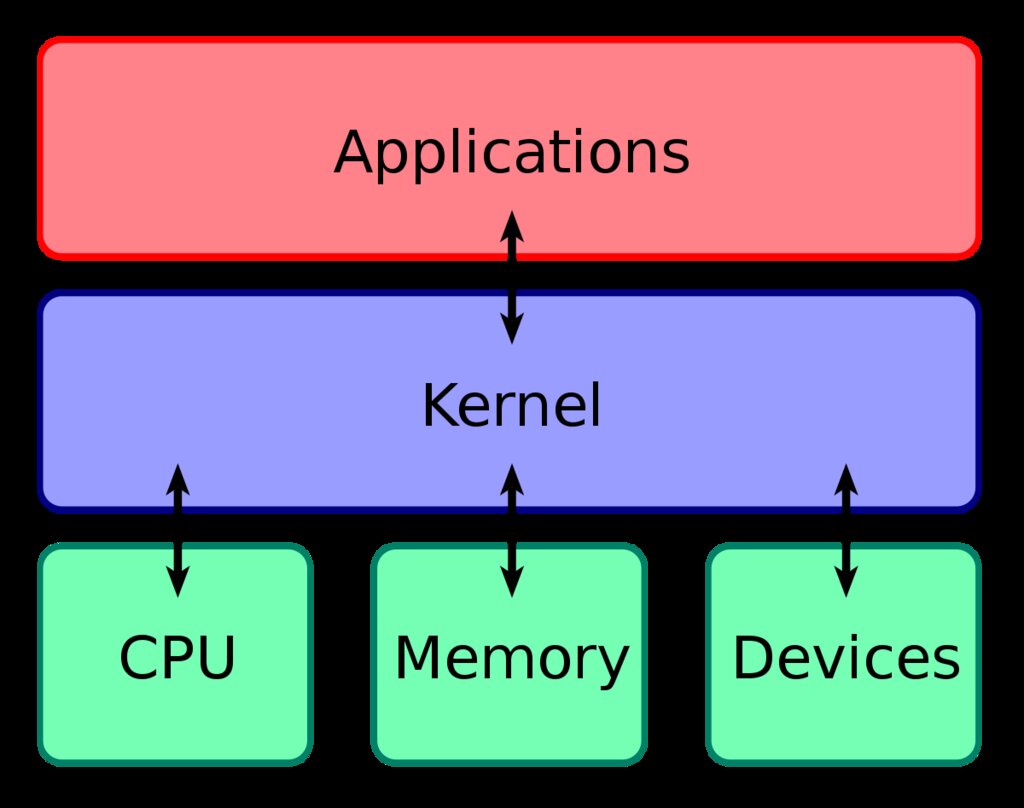
The OS is the bridge between you (and your software) and the physical hardware of the computer, like the processor, memory (RAM), and storage drives. When you click an icon to open a program, the OS is what finds that program on your hard drive, loads it into memory, and tells the processor to start running it.
The OS at Work
The operating system juggles several critical jobs at once. These core functions ensure that your computer is efficient, stable, and easy to use.
Process Management: Imagine a chef in a busy kitchen preparing multiple dishes at the same time. The chef has to decide which dish to work on next, how much time to give each one, and make sure they all come out perfectly. An OS does something similar with programs and applications, which are called processes. It decides which process gets to use the central processing unit (CPU) and for how long. This rapid switching, known as multitasking, allows you to run a web browser, a music player, and a word processor all at once.
Memory Management: Your computer's memory, or RAM, is like a temporary workspace. When you open a program, the OS finds an empty spot in RAM and allocates it to that program. It's crucial that each program stays in its own designated space and doesn't interfere with others. The OS acts like a meticulous librarian, keeping track of which parts of memory are in use, by which process, and freeing up space when a program is closed.
File System Management: Think of a physical filing cabinet. You organize documents into folders to keep them tidy and easy to find. The OS does the same for your digital data. It manages how information is stored, organized, and retrieved from your hard drive or solid-state drive. It creates the structure of files and folders you see every day, keeping track of where everything is located so you can access it instantly.
Device Management: How does your computer know what to do when you plug in a printer or a webcam? The operating system is the mediator. It communicates with all the hardware devices connected to your computer through special software called drivers. The OS manages the input from your keyboard and mouse and sends output to your screen and speakers, ensuring all these separate parts can talk to each other and work as a single system.
Common Examples
You interact with an operating system every time you use a digital device. The most well-known examples for desktop and laptop computers are Microsoft Windows, Apple's macOS, and Linux. For mobile devices like phones and tablets, the dominant operating systems are Google's Android and Apple's iOS. Each one handles the same core functions, but they offer different interfaces and features.
Now, let's check your understanding of these core concepts.
What is the primary role of an operating system?
When you open a new program, what is the operating system's key responsibility regarding memory?
Understanding the role of the operating system is the first step in learning how computers truly work. It's the silent, hardworking engine that powers your digital life.