Operating System Fundamentals
Operating System Basics
The Computer's Conductor
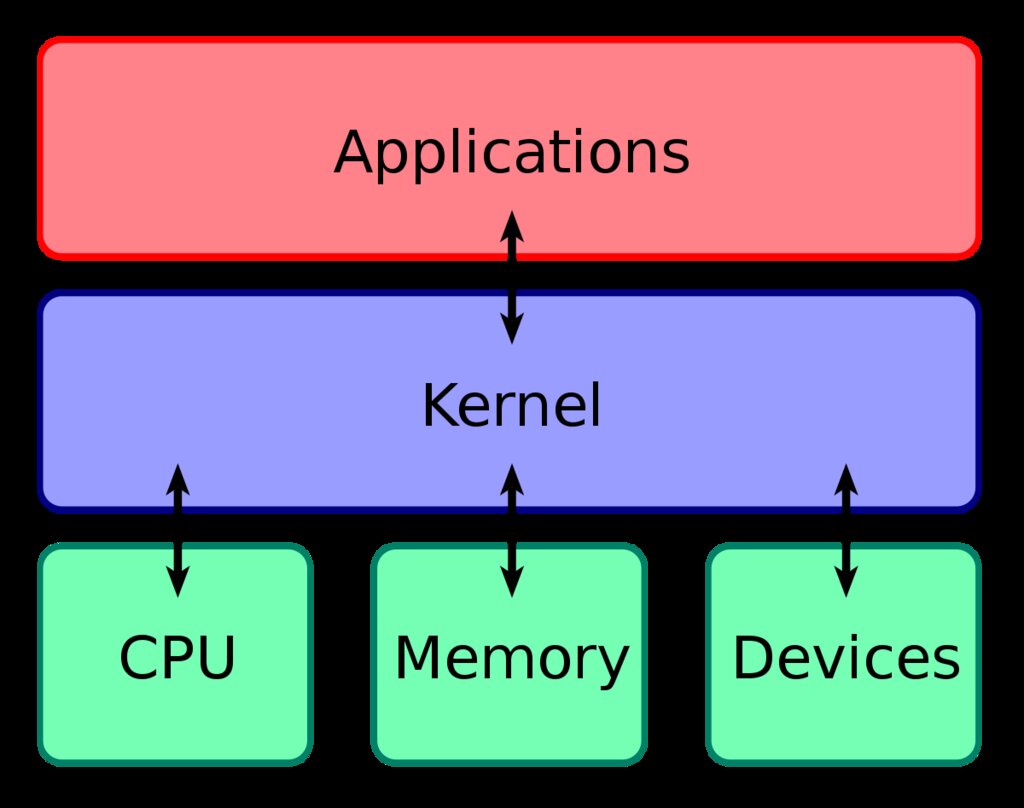
Think of a computer's hardware—the processor, memory, and storage—as a talented orchestra. Each instrument is powerful, but without a conductor, they'd just make noise. An operating system (OS) is that conductor. It's the essential software that coordinates all the hardware and software, making sure every part works together to perform useful tasks.
The OS is the bridge between you and the computer's physical components. It translates your clicks and keystrokes into actions the hardware can understand.
The Four Core Jobs
Every operating system, whether on a smartphone or a supercomputer, handles four fundamental responsibilities. These jobs ensure that your computer runs smoothly, efficiently, and predictably.
First is process management. When you run multiple applications at once—say, a web browser, a music player, and a word processor—the OS is what's juggling them. It allocates the processor's attention to each task, switching between them so quickly it feels like they're all running simultaneously. It’s like a chef keeping several pots on the stove, giving each one just enough attention to keep it from burning.
Next comes memory management. Your computer has a limited amount of working memory (RAM). The OS acts like a meticulous librarian, assigning a specific section of memory to each running application. It ensures that one program doesn't accidentally wander into another's space, which would cause crashes and errors. When you close an application, the OS reclaims that memory, making it available for the next task.
The OS also manages the file system. Without it, a storage drive would just be a massive, unorganized pool of data. The OS creates the structure of files and folders that we're all familiar with. It keeps track of where every file is located, who has permission to access it, and how much space it uses. This digital filing cabinet is what lets you save a document and find it again later.
Finally, there's I/O (input/output) management. Your OS handles all communication with connected devices. When you type on your keyboard, click your mouse, or send a document to the printer, the OS is the intermediary. It takes the signals from your applications and translates them for the hardware, and vice-versa. It manages these requests so that data flows smoothly without conflict.
Different Systems for Different Jobs
Not all operating systems are built the same way, because they're designed for different tasks. The earliest computers used batch operating systems. These systems worked through a queue of jobs, one after another, with no user interaction. They were perfect for repetitive, non-interactive tasks like processing payroll or bank transactions.
As computers became more interactive, time-sharing operating systems were developed. These are the systems we use on our desktops and laptops today, like Windows, macOS, and Linux. They are designed to let multiple users or multiple programs share the computer's resources simultaneously, creating a smooth, responsive experience.
In a world connected by networks, distributed operating systems are also common. These systems manage a group of independent computers but make them appear to the user as a single, cohesive system. Cloud computing platforms are a perfect example. They harness the power of many different machines to provide powerful, scalable services.
Lastly, let's talk about how we interact with the OS.
How We Talk to the OS
The user interface is the part of the OS that lets you give it commands and see the results. There are two main types.
A Command-Line Interface (CLI) is text-based. You interact with the computer by typing specific commands. It might seem old-fashioned, but it's incredibly powerful and efficient for developers and system administrators. It allows for precise control and easy automation of complex tasks.
# A simple CLI command to list files
ls -l

# Another command to create a new directory
mkdir my_new_folder
The more familiar interface is the Graphical User Interface (GUI). A GUI uses icons, windows, and menus that you can manipulate with a mouse or a touchscreen. This visual, intuitive approach, pioneered by systems like the Apple Macintosh, made computers accessible to everyone, not just technical experts.
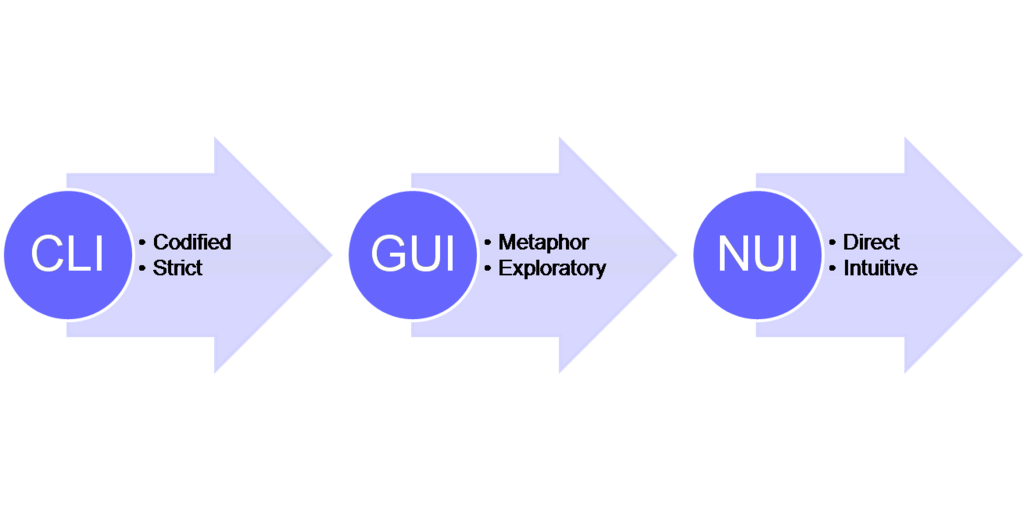
While GUIs are easier for everyday tasks, CLIs remain essential for many professional and technical roles. Both are simply different ways of communicating with the conductor of the orchestra.
Ready to check your understanding?
Using the orchestra analogy, what is the primary role of an operating system?
When you are browsing the internet, listening to music, and writing an email all at once, which OS function is primarily responsible for allocating processor time to each task so they appear to run simultaneously?
From managing memory to providing the interfaces we use every day, the operating system is the unsung hero of modern computing.