Operating System Fundamentals
Introduction to Operating Systems
The Computer's Conductor
Think of a symphony orchestra. You have dozens of musicians, each playing a different instrument. Without a conductor, you'd just have noise. The conductor tells the violins when to play, cues the percussion, and makes sure everyone works together to create beautiful music. An operating system (OS) is the conductor for your computer.
An Operating System (OS) is a system software that manages computer hardware, software resources, and provides common services for computer programs.
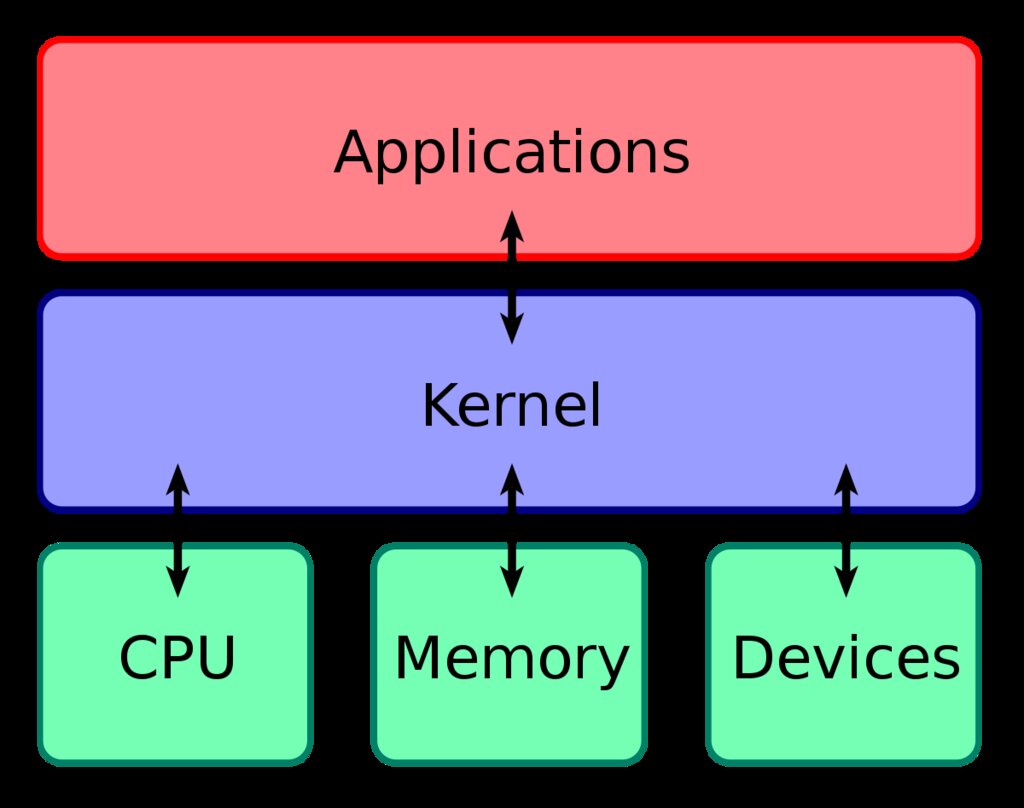
It's the core software that manages everything from the central processing unit (CPU) and memory to all the applications you run. It acts as the intermediary, translating your clicks and keystrokes into actions the hardware can understand. Without an OS, your phone, laptop, or server would be a useless box of metal and silicon.
The Three Big Jobs
The OS juggles several critical tasks simultaneously. We can group its main responsibilities into three major jobs.
First, it's a resource manager. Your computer has limited resources: processing power, memory (RAM), and storage space. When you run multiple applications at once, like a web browser, a music player, and a word processor, they all compete for these resources. The OS acts as a fair and efficient manager, allocating resources so that every application gets what it needs to run smoothly without interfering with others.
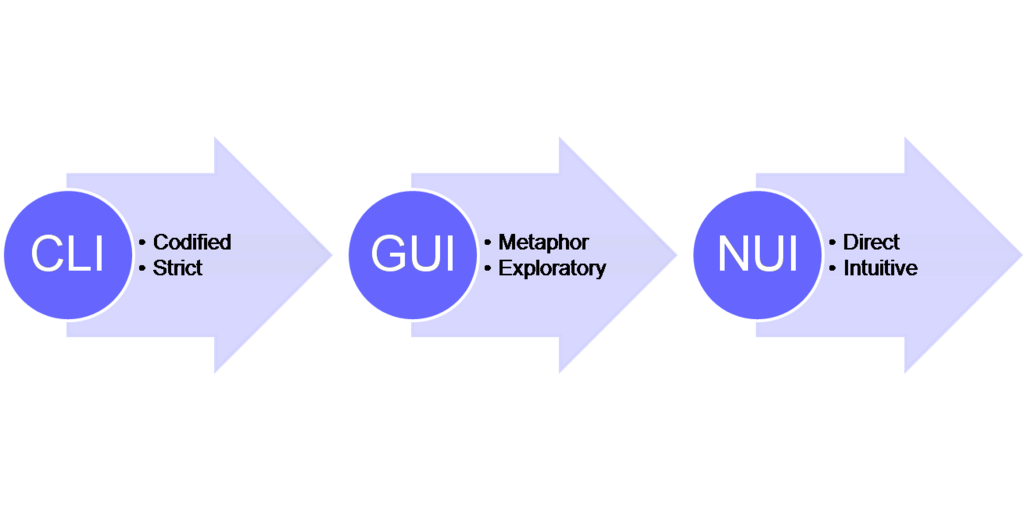
Second, it provides a user interface. The OS is what lets you interact with your computer. Early computers required users to type cryptic commands. Today, most operating systems use a graphical user interface (GUI), with windows, icons, and menus. This interface makes computers accessible to everyone, not just programmers.
Third, it creates a platform for application execution. Software developers don't need to write code to directly control the computer's speakers or save files to the hard drive. Instead, they build their applications to run on top of an OS. The OS provides a stable and consistent environment, handling the complex, low-level hardware interactions so developers can focus on creating their apps.
A Brief History
Early computers didn't have operating systems as we know them. Programmers had to manually load their programs, often using physical punch cards. This was incredibly inefficient. To speed things up, batch processing systems were developed. An operator would group similar jobs together and run them in a batch, one after another, without any user interaction.
The next major leap was time-sharing. This allowed multiple users to interact with a single powerful computer at the same time. The OS would rapidly switch between each user's tasks, giving each a small slice of the CPU's time. This created the illusion that each person had the computer all to themselves.
From time-sharing came multitasking, which is what modern operating systems do. Instead of sharing the computer among multiple users, multitasking allows a single user to run multiple applications concurrently. This is how you can listen to music while browsing the web and receiving email notifications. The OS handles the complex scheduling required to make it all feel seamless.
Now you understand the essential role of an operating system. It's the silent, hardworking manager that makes modern computing possible, turning a complex machine into a useful tool.
Using the analogy of a symphony orchestra, what is the primary role of an operating system?
What key innovation did time-sharing systems introduce over earlier batch processing systems?