Operating System Fundamentals
Introduction to Operating Systems
What Is an Operating System?
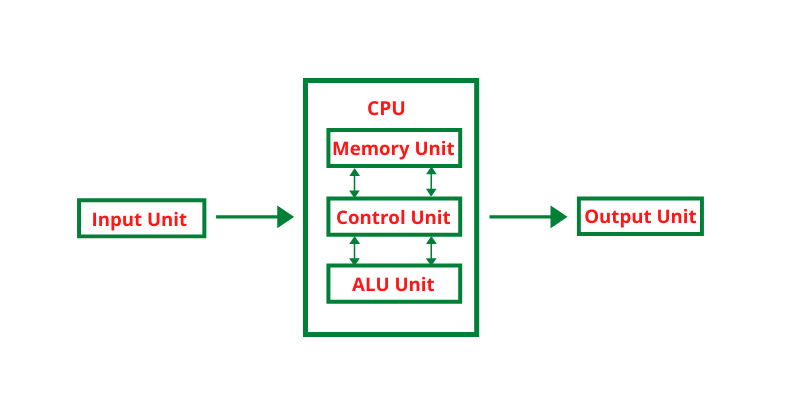
An operating system, or OS, is the core software that manages all the hardware and software on a computer. Think of it as the general manager of a busy company. It doesn't perform the specific tasks itself, but it directs all the different departments—the CPU, memory, storage drives, and other peripherals—telling them what to do and ensuring they work together smoothly.
Without an OS, your computer would just be a collection of silent, inactive electronic parts. You wouldn't be able to write an email, browse the web, or play a game. The OS provides the foundation that all your applications need to run. It handles the complex, low-level details so that application developers don't have to.
At its core, an operating system (OS) is the software that manages computer hardware and software resources, and provides common services for computer programs.
Essentially, an OS has two main jobs. First, it's a resource manager. It allocates resources like CPU time, memory space, and file storage among all the programs that are running. Second, it provides a stable and consistent interface for applications to interact with the hardware. This means a programmer can write code that works on any machine running that OS, without needing to know the specific details of the hardware inside.
A Brief History
In the earliest days of computing, there were no operating systems. Programmers interacted directly with the massive, room-sized machines, a tedious and slow process involving punch cards and manual configurations. Every task required a custom setup, and the computer could only handle one job at a time.
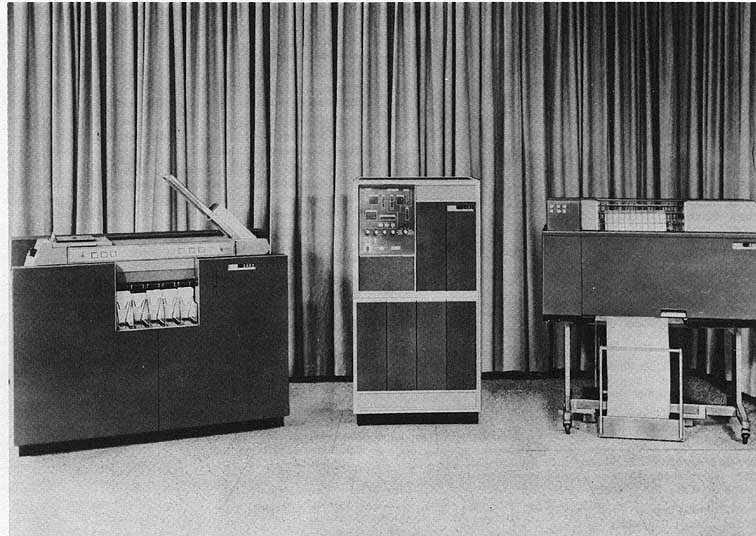
The first major evolution was the development of batch systems in the 1950s. Instead of running one job at a time, an operator would gather jobs with similar needs onto a magnetic tape or punch cards. The computer would then process this entire batch sequentially, without stopping between jobs. This was a huge leap in efficiency, as it minimized the idle time of the expensive hardware.
The next big step was time-sharing systems, which emerged in the 1960s. These systems allowed multiple users to interact with a single computer simultaneously. The OS would rapidly switch between each user's tasks, giving each a small slice of CPU time. To the users, it felt like they each had the computer all to themselves. This innovation laid the groundwork for modern multi-tasking.
Types of Operating Systems
Operating systems have diversified over time to meet different needs. While most of us are familiar with the OS on our laptops and phones, there are specialized types for other environments.
Batch OS
noun
Executes jobs in batches without direct user interaction. The system processes one job until it completes, then moves to the next.
Time-Sharing OS
noun
Allows multiple users to share a computer's resources simultaneously. The OS allocates a small amount of time to each user in turns.
As computing became more connected, two other types of operating systems became important.
Distributed OS
noun
Manages a group of independent computers and makes them appear to be a single computer. Resources are shared across the network.
Real-Time OS (RTOS)
noun
Designed to process data as it comes in, typically without buffer delays. It is time-critical, with fixed deadlines for processing and response.
The Modern OS
Today, the operating system is the invisible yet essential backbone of every digital device. On your smartphone, it manages the touch screen, cellular radio, GPS, and battery, while letting you run multiple apps at once. On a web server, it handles thousands of simultaneous connections, ensuring that websites remain fast and available.
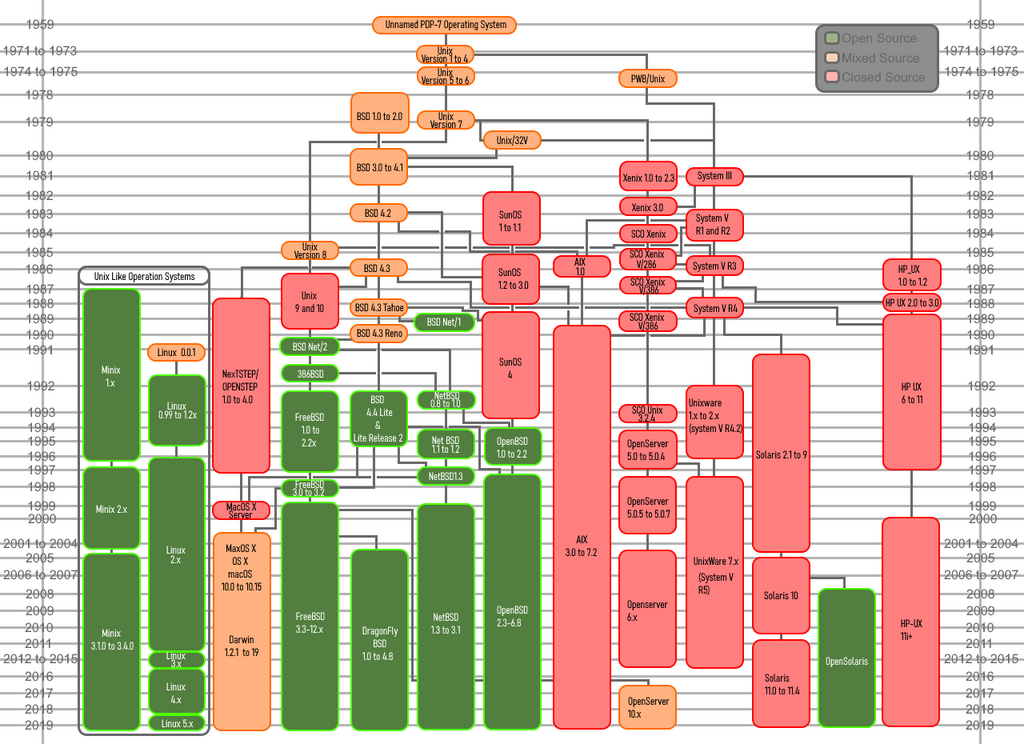
Modern operating systems like Windows, macOS, Linux, iOS, and Android are incredibly complex. They blend features from all the historical types. They are time-sharing systems that allow multi-tasking, they have networking capabilities derived from distributed systems, and they incorporate real-time features for tasks like video playback.
They provide the platform for software development, the user interfaces we interact with, and the security that protects our data. Without the steady evolution of the operating system, the powerful and user-friendly computers we rely on every day simply wouldn't exist.
Now that you understand the basic purpose and history of operating systems, let's test your knowledge.
What are the two primary responsibilities of an operating system as described in the text?
The development of ________ systems in the 1960s was a major innovation that allowed multiple users to interact with a single computer simultaneously, laying the groundwork for modern multi-tasking.