Operating System Fundamentals
Introduction to Operating Systems
What Is an Operating System?
Think of an operating system (OS) as the general manager of a busy hotel. The hotel has resources like rooms (memory), staff (processing power), and amenities (printers, webcams). Guests (applications like your web browser or a game) make requests. The manager's job is to handle all these requests, making sure every guest gets what they need without chaos breaking out. The manager doesn't do the cooking or clean the rooms, but they coordinate everything so the hotel runs smoothly.
An operating system does the same for your computer. It's the core software that manages all the hardware and software resources. It's the crucial middle layer between your applications and the physical components of your device. Without an OS, your computer would be a useless box of electronics. You couldn't run a web browser, write an email, or play a game because there would be no one in charge to coordinate the hardware to make those things happen.
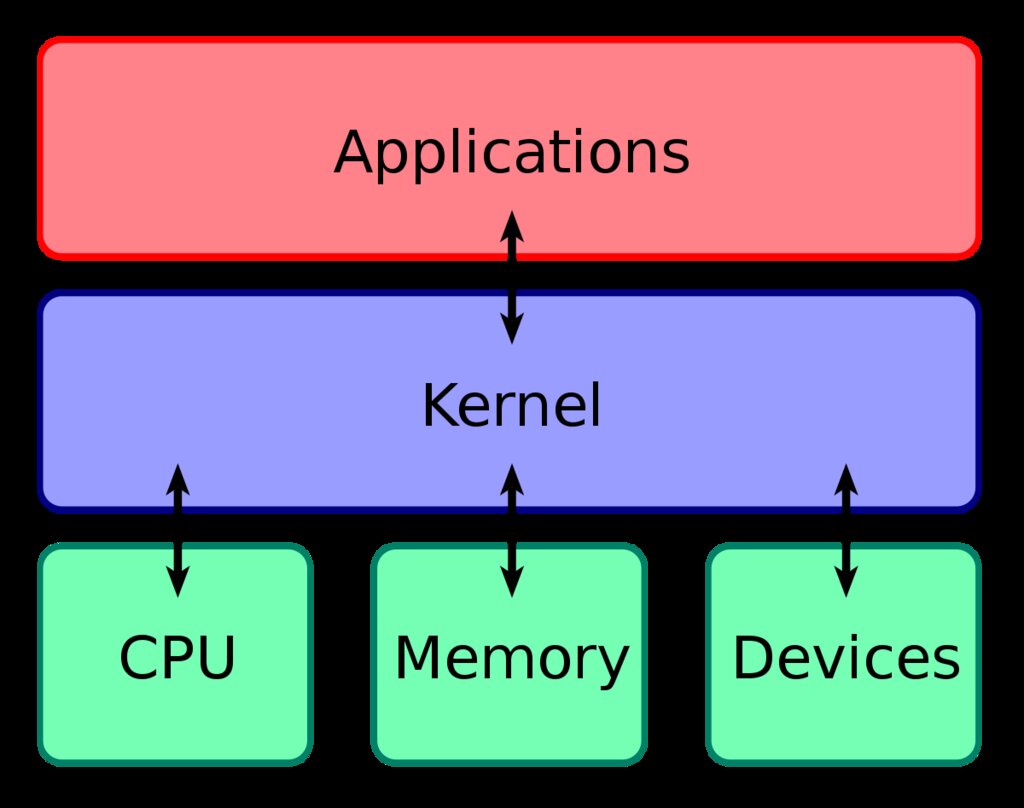
The OS provides a stable, predictable environment for software to run. Developers don't need to write code for every specific type of hard drive or graphics card. Instead, they write their application for the OS, and the OS handles the specific instructions for the hardware. This makes it possible for the same program to run on thousands of different computer models.
The OS at Work
So what does an operating system actually do? Its work can be broken down into a few key functions that happen constantly in the background.
Resource Management: This is the OS's most critical job. A computer's resources are finite. There's only so much processing power (CPU time), memory (RAM), and storage space. When you have multiple applications running at once, they're all competing for these resources. The OS acts as a fair and efficient referee. It allocates memory to each application, schedules which process gets to use the CPU at any given millisecond, and manages access to files on the hard drive. This prevents programs from interfering with each other and keeps the system from crashing.
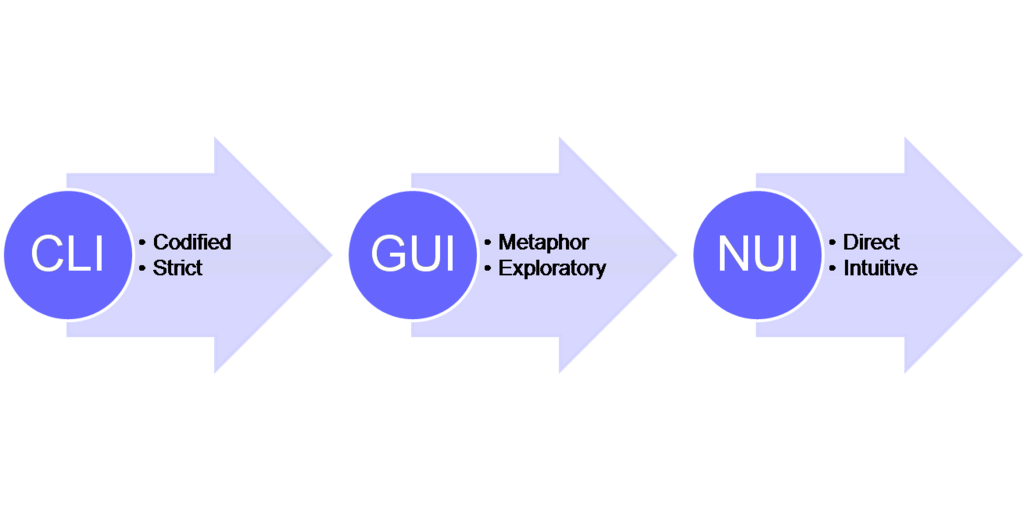
User Interface: The OS provides the tools for you to interact with your machine. In the early days, this was a command-line interface (CLI), where users typed text commands to get the computer to do things. Today, most operating systems use a graphical user interface (GUI). The windows, icons, menus, and pointers you click on are all provided and managed by the OS. It translates your clicks and taps into commands the hardware can understand.
Application Execution: Finally, the operating system is responsible for running your software. When you double-click an icon, the OS loads the program's code from the hard drive into memory, allocates the resources it needs, and starts its execution on the CPU. It manages the program as it runs, handling tasks like saving files or connecting to the internet, and ensures the program is shut down properly when you're finished.
Common Examples
You interact with operating systems every day, even if you don't think about it. They are the invisible foundation of modern technology.
| Device | Common Operating Systems |
|---|---|
| Desktops & Laptops | Microsoft Windows, Apple macOS, Linux |
| Smartphones & Tablets | Google Android, Apple iOS |
| Servers & Mainframes | Linux, UNIX, Windows Server |
While they might look and feel very different, they all perform the same core functions: managing resources, providing an interface, and executing the applications that make our devices useful.
Time to check what you've learned.
Using the hotel analogy from the text, what does the operating system (OS) represent?
What is the primary function of an operating system?
Understanding what an operating system is and what it does is the first step in seeing how computers truly work.