Operating System Essentials
Introduction to Operating Systems
What Is an Operating System?
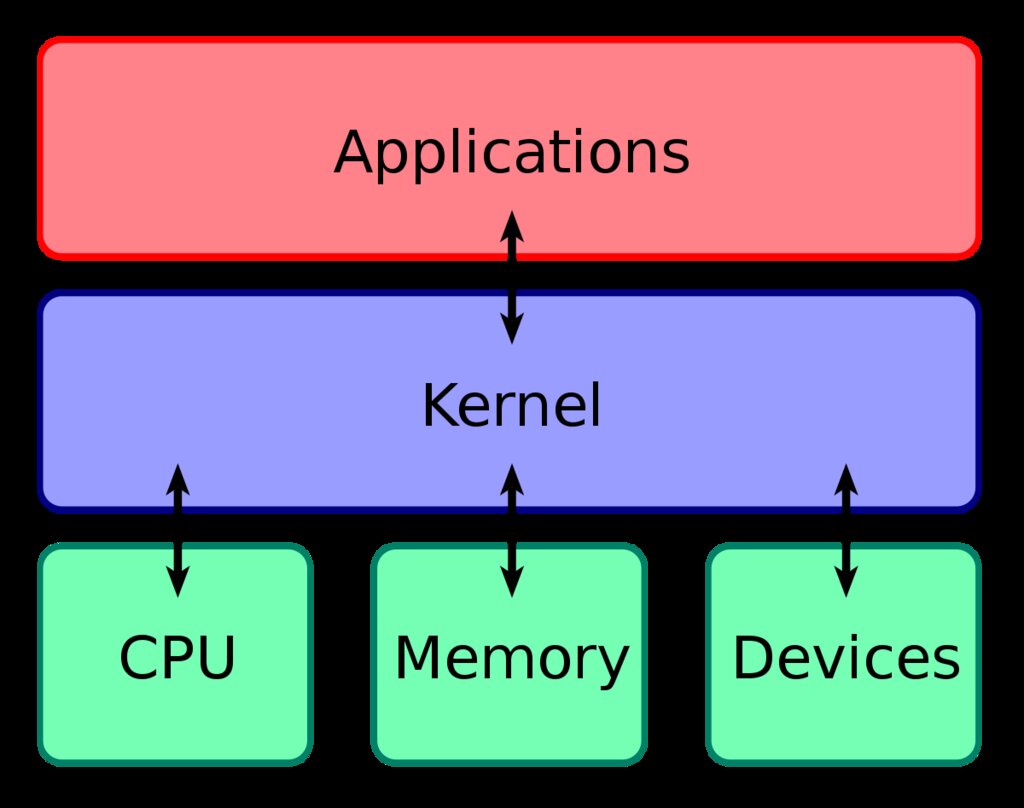
Think of an operating system (OS) as the general manager of a computer. Without it, your computer's hardware, like its processor, memory, and storage drives, would just be a collection of silent, inactive parts. The OS brings them to life, directing them to work together to run applications like your web browser or a video game.
An Operating System (OS) is the essential software that acts as an intermediary between computer hardware and the user.
Essentially, the OS is a layer of software that sits between you and the physical machine. You give commands through applications, and the OS translates those commands into instructions the hardware can understand. It handles all the complex, low-level details so that application developers don't have to.
A Quick History
The very first computers didn't have operating systems. Programmers had to manually load their programs directly onto the hardware using punch cards or switches. It was slow and incredibly inefficient. Only one person could use the machine at a time to run a single program from start to finish.
To speed things up, Batch Systems were invented. A human operator would collect a 'batch' of similar jobs and feed them to the computer one after another. This was better, as the machine was kept busy, but there was still no direct interaction. A programmer would submit a job and come back hours later for the printed results.
Imagine leaving a stack of documents for a photocopier with a note of instructions, then returning later to pick up the copies. That's the essence of a batch system.
The next major leap was Time-Sharing Systems. These clever systems could switch between multiple programs so quickly that it seemed like they were all running at once. This allowed many users to interact with the computer simultaneously through terminals. This innovation is the foundation of the responsive, interactive computing we use every day on our desktops and laptops.
Today, we often use Distributed Systems. Instead of one computer doing all the work, a distributed OS manages many separate computers, making them work together as a single, powerful system. Cloud services like Google Drive or online multiplayer games are great examples. They harness the power of countless machines connected over a network, all managed by a distributed operating system.
The Core Jobs of an OS
No matter the type, every operating system has a few fundamental responsibilities. These are the core functions that make computing possible.
Process Management: A running program is called a process. If you have a browser, a word processor, and a music app open, you have multiple processes running. The OS is in charge of starting, stopping, and managing all of them. It makes sure each process gets a fair share of the CPU's attention and that they don't interfere with each other.
Memory Management: The OS controls the computer's main memory (RAM). When you start a program, the OS finds and allocates a slice of memory for it. When you close the program, the OS reclaims that memory so it can be used for something else. It's a constant juggling act to ensure there's enough memory for everything that needs to run.
Device Management: Your computer has many devices connected to it—a keyboard, a mouse, a monitor, a printer, and network adapters. The OS manages communication with all of them through special software called drivers. When you click your mouse, the OS receives the signal and tells the correct application what happened.
File System Management: The OS organizes data into a hierarchy of files and folders. It keeps track of where everything is stored on your hard drive or SSD. When you save a file, the OS handles the process of writing the data to the disk. When you open a file, the OS finds it and reads it back into memory.
Ready to check your understanding of these core concepts?
What is the primary role of an operating system?
In the evolution of operating systems, what was the key advantage of Time-Sharing Systems over Batch Systems?
These functions are the building blocks that allow us to use computers in the powerful and intuitive ways we do today.