Operating System Essentials
Introduction to Operating Systems
What Is an Operating System?
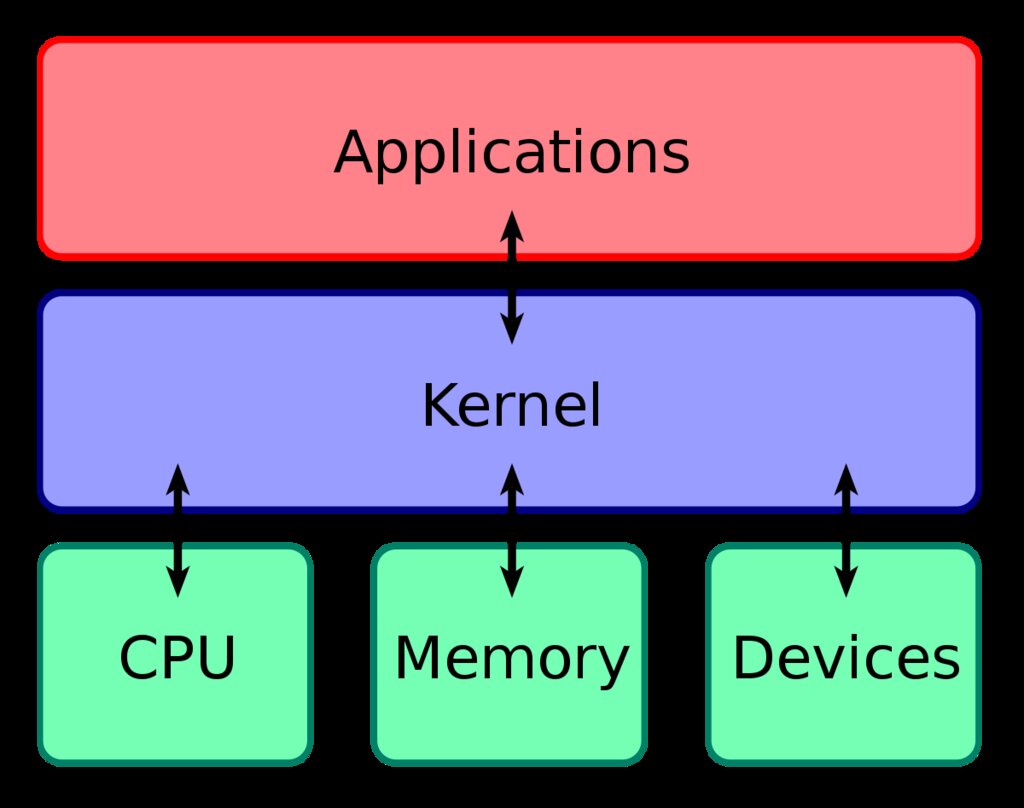
Think of an operating system (OS) as the general manager of a computer. It's the essential software that directs all the hardware and software. Without an OS, your computer would just be a collection of silent, inactive parts. It's the bridge that connects you and your applications to the physical components like the processor, memory, and storage drives.
An Operating System (OS) is a system software that manages computer hardware, software resources, and provides common services for computer programs.
When you turn on your computer, the OS is the first program to load. From that moment on, it works in the background, handling everything from managing files to running your web browser. It creates the environment where all other programs can function.
Core Functions
An OS has several key jobs, but they all boil down to managing resources and making the computer usable.
Resource Management: The OS is a master delegator. It manages the computer's central processing unit (CPU), memory (RAM), and storage. When you run multiple applications at once, like a music player and a word processor, the OS allocates slices of CPU time and portions of memory to each one. This ensures that all programs run smoothly without interfering with each other.
User Interface: The OS provides the look and feel of your computer, allowing you to interact with it. This can be a Graphical User Interface (GUI), with windows, icons, and menus, like in Windows or macOS. It can also be a text-based Command-Line Interface (CLI), used by developers and system administrators.
Application Execution: When you open an application, the OS finds the program on your storage drive, loads it into memory, and tells the CPU to start executing its instructions. It provides services that applications need, like reading from a file or sending data to a printer.
Types of Operating Systems
Operating systems are designed for different purposes and environments. Here are a few common types.
| Type | Description | Examples |
|---|---|---|
| Single-User | Allows only one user to operate the computer at a time. | Windows, macOS, MS-DOS |
| Multi-User | Allows multiple users to access the computer's resources simultaneously. | Linux, Unix, Windows Server |
| Real-Time (RTOS) | Processes data as it comes in, without buffer delays. Used in systems where timing is critical. | QNX, VxWorks |
| Embedded | Designed to run on specific devices with minimal resources, often with a single dedicated function. | Smartwatch OS, car infotainment systems, medical devices |
A multi-user OS, like the kind that runs on a large server, is built to handle requests from many people at once, keeping their data and processes separate and secure. In contrast, a real-time OS in a car's anti-lock braking system must react instantly to sensor input, where even a millisecond of delay could be critical. The OS on your phone is a type of embedded OS, tailored specifically for mobile hardware and tasks.
Each type is a specialized tool for a specific job, but they all share the fundamental role of managing the machine.
Ready to test your knowledge? Let's see what you've learned about operating systems.
What is the fundamental role of an operating system?
When you have multiple applications open at once, the OS is primarily responsible for allocating ______ and ______ to each one.
Understanding the role and types of operating systems is the first step in seeing how computers truly work from the inside out.