Operating a Modern Client Advisory Services Practice
Data Ingestion Logistics
Beyond Manual Entry
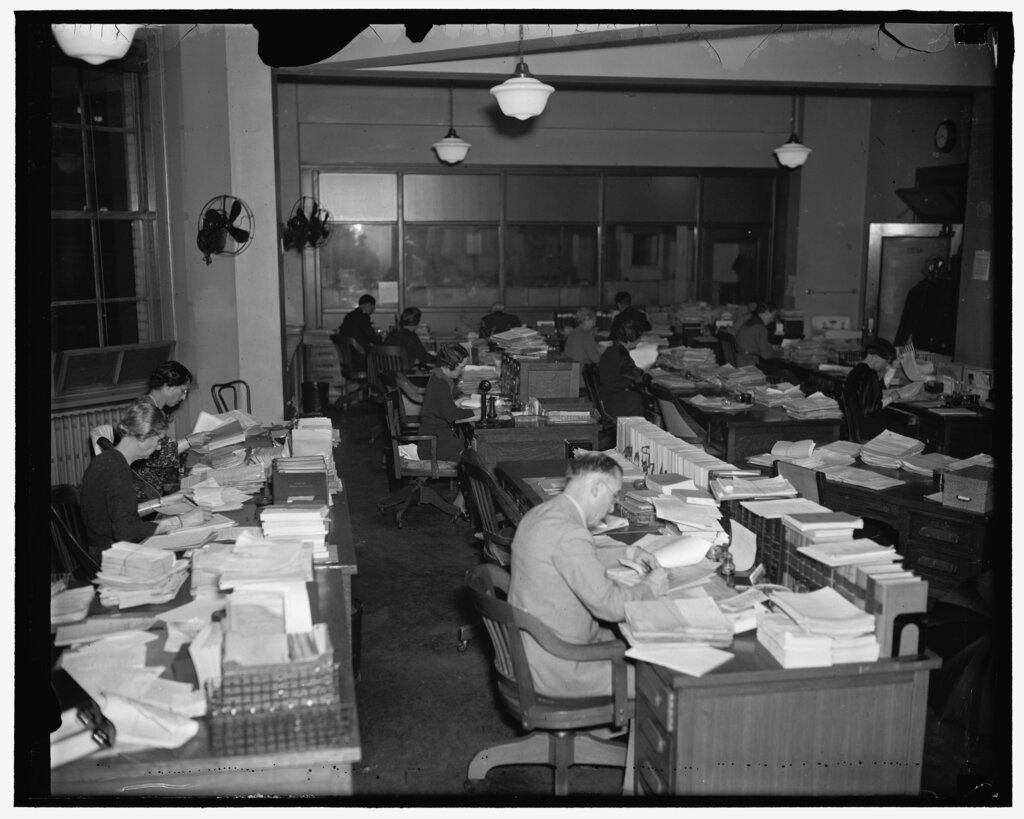
In the past, client advisory services were built on stacks of paper. Invoices, bank statements, and receipts arrived in envelopes and shoeboxes, and the core of the work was tedious, manual data entry. Each piece of information had to be keyed into a ledger by hand. This process was not only slow but also prone to human error, creating a bottleneck that limited a firm's growth and efficiency.
Modern CAS practices have fundamentally changed this dynamic. The goal is no longer just to record historical data, but to ingest it in real-time with minimal friction. This requires a shift in thinking: from data entry to data ingestion. A well-designed ingestion workflow automates the collection, extraction, and storage of client financial documents, transforming them into structured, usable data with speed and accuracy.
The Automated Ingestion Workflow
The foundation of a modern ingestion workflow is a suite of integrated tools that handle the entire lifecycle of a client document. The process begins the moment a financial transaction occurs. Instead of waiting for a month-end report, clients are empowered to submit source documents as they receive them.
Using tools like Dext or Hubdoc, a client can simply snap a photo of a receipt with their phone, email an invoice, or connect their accounts to automatically fetch statements. The document is instantly uploaded to a central platform, kicking off the automated workflow.
Once captured, the tool uses Optical Character Recognition (OCR) and machine learning to read the document. It extracts key data points like the vendor name, date, amount, and tax. This transforms the unstructured data of an image into structured data ready for the general ledger. While the technology is highly accurate, a crucial step remains: human review. An accountant quickly verifies the extracted data for accuracy and proper coding before publishing it directly to the cloud accounting software.
Organization and Archival
The final steps of the workflow ensure long-term organization and accessibility. After a transaction is published to the general ledger, the source document itself needs a permanent home. This is where an Electronic Document Management System (EDMS) comes in, which can be a dedicated platform or a well-organized cloud storage system like Google Drive or SharePoint.
This software allows departments to digitize physical documents, store them securely in centralized repositories, and retrieve them instantly when needed.
To maintain order, a standardized file naming convention is essential. A consistent structure makes documents searchable and auditable for years to come. A robust convention typically includes the date, vendor name, and transaction type or amount.
| Element | Format | Example |
|---|---|---|
| Date | YYYY-MM-DD | 2024-10-26 |
| Vendor | VendorName | Starbucks |
| Description | DocumentType | Invoice |
| Result | YYYY-MM-DD_VendorName_DocumentType | 2024-10-26_Starbucks_Invoice.pdf |
This simple, automated rule ensures every file is stored logically. The integration between the capture tool, the ledger, and the EDMS automatically saves the source document with the correct name in the correct folder. This creates a permanent, searchable archive, completing the journey from a physical receipt to a secure, organized, and fully digitized record. Establishing these standard operating procedures (SOPs) is the key to creating a truly paperless and scalable firm.
What is the primary goal of a modern Client Advisory Services (CAS) data ingestion workflow?
In a modern data ingestion process, what technology is used to extract key data points from a scanned document or image?
This structured approach to data ingestion eliminates manual work and builds a reliable, organized foundation for all other advisory services.