OpenShift Essentials
Introduction to Containers
Software in a Box
Think about how global trade works. Before the 1950s, loading a ship was a chaotic, slow process. Goods of all shapes and sizes were packed piece by piece. Then came the shipping container—a standard, stackable box that could hold anything and fit on any ship, train, or truck. Suddenly, moving goods became incredibly efficient.
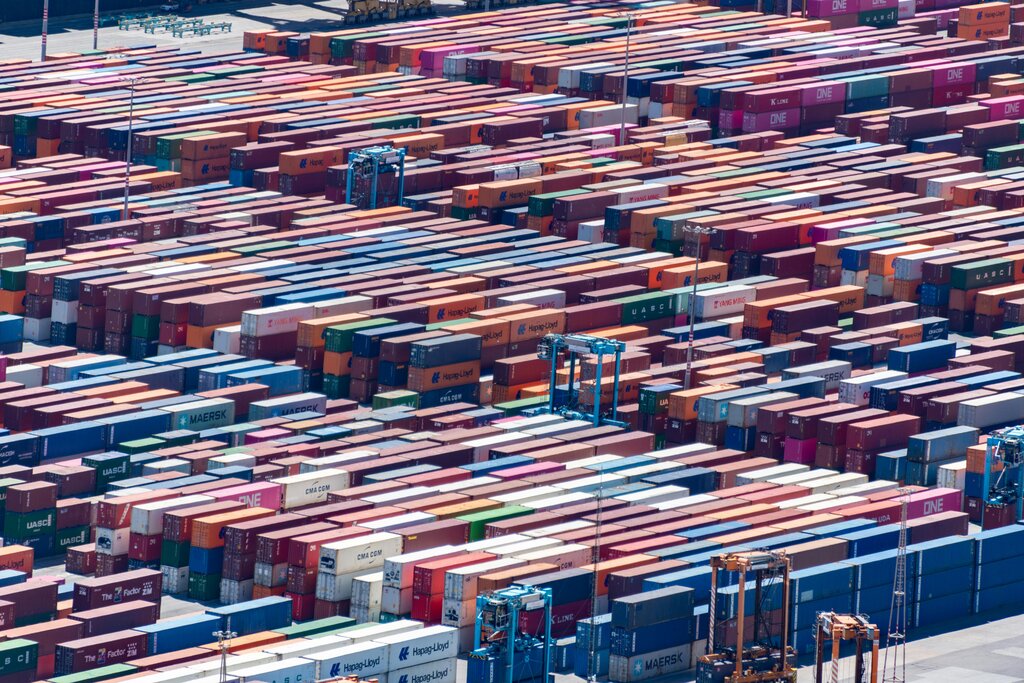
Software containers do the same thing for applications. A container is a standard package that bundles an application’s code together with all the files and tools it needs to run, like system libraries and settings. This self-contained package ensures the software works reliably no matter where it's moved.
This solves a classic problem in software development: the “but it works on my machine” dilemma. A developer might build an app that runs perfectly on their laptop, but when it’s moved to a testing server or a live production environment, it breaks. This usually happens because of tiny differences in the environments. Containers eliminate these differences. If it works in a container, it works the same way everywhere.
Why Use Containers?
Besides consistency, containers offer a few other major advantages.
Efficiency: Containers are incredibly lightweight. Unlike virtual machines (VMs), which need to run a full copy of an operating system, containers share the host machine's OS kernel. This means they use fewer resources like CPU and memory, and they can start up in seconds instead of minutes.
Portability: Containers can run on a developer’s local machine, on servers in a data center, or in the cloud, all without any changes. This flexibility is a huge advantage for modern software development.
Scalability: Need to handle more users on your website? Just launch more containers of your web application. When traffic dies down, you can shut them off. This ability to quickly scale up and down makes applications more resilient and cost-effective.
Meet Docker
The technology that made containers popular is Docker. Docker is a platform that provides a simple set of tools to build, share, and run containers. It's the de facto standard for containerization.
If we continue our shipping analogy, Docker is the company that manufactures the containers, builds the cranes to move them, and operates the ports to manage them all. It simplifies the entire process.
Docker is a pivotal technology in the world of DevOps, enabling developers to create, deploy, and run applications in containers.
Working with Docker involves a few core concepts:
Image
noun
A read-only template with instructions for creating a container. It's like a recipe or a blueprint.
Container
noun
A runnable instance of an image. You can create, start, stop, move, or delete a container. It's the actual running application.
The process is straightforward. A developer writes a set of instructions in a file called a Dockerfile. This file is used to build an image. Once the image is built, it can be run as one or more containers on any machine that has Docker installed.
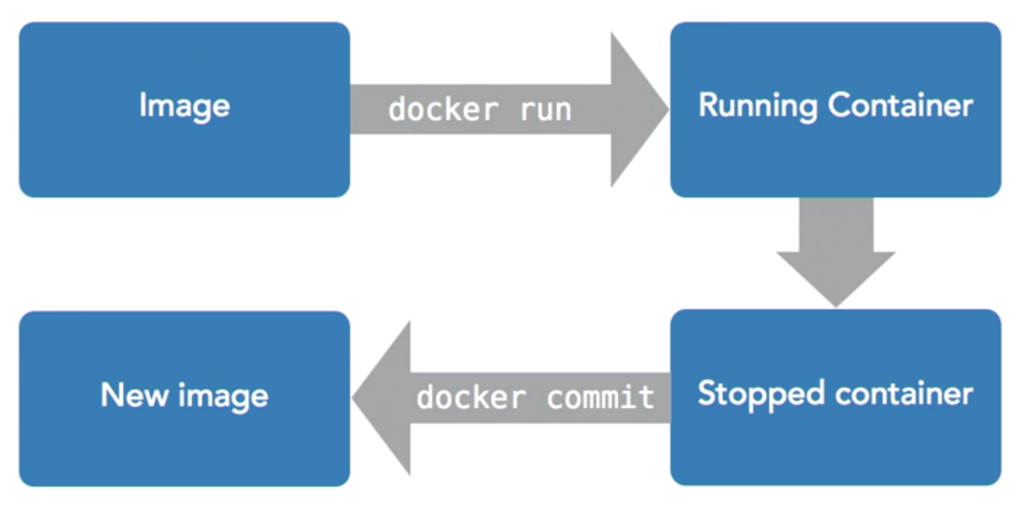
By packaging software into predictable, isolated containers, developers can focus on writing code without worrying about the environment it will run in. This makes building and deploying software faster, more secure, and more reliable.
What is the primary problem in software development that containers are designed to solve?
If a Dockerfile is like a blueprint, what is a container image analogous to?