Opening Real Estate Calls in Dubai
Understanding Dubai's Real Estate Market
From Sand to Skyscraper
Dubai's transformation from a quiet fishing village to a global metropolis is a story of incredible speed and ambition. Just a few decades ago, much of the city was open desert. The discovery of oil in the 1960s was a catalyst, but the real estate boom began when the government made a pivotal decision in 2002: to allow foreigners to own freehold property in designated areas.
This policy shift opened the floodgates for international investment. Suddenly, Dubai wasn't just a place to work; it was a place to own a home and build a future. Ambitious, headline-grabbing projects like the Palm Jumeirah and the Burj Khalifa put the city on the world map, cementing its reputation as a hub for luxury and innovation.
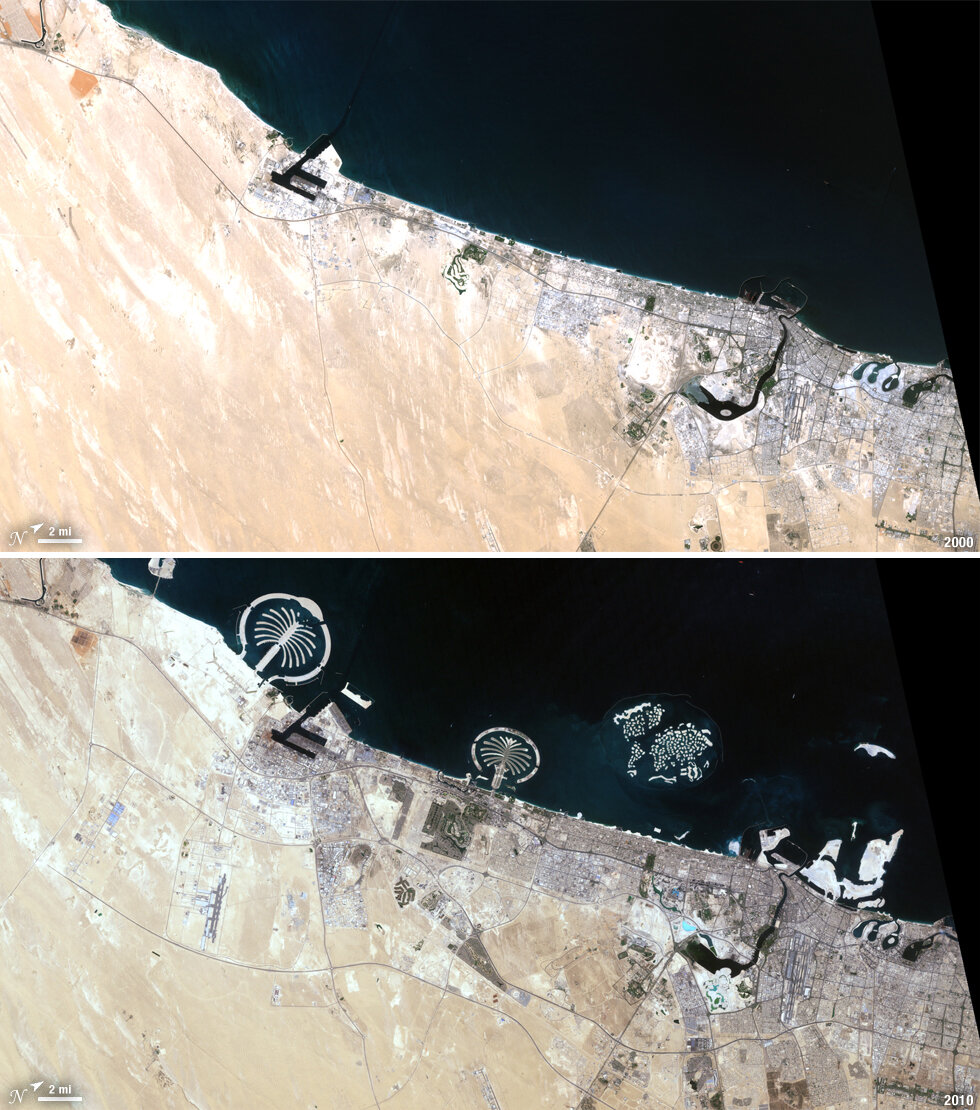
The market has seen its share of ups and downs, including a major correction after the 2008 global financial crisis. But each time, it has bounced back, driven by strong economic fundamentals, pro-business policies, and its status as a safe haven in a volatile region. Today, the market is characterized by a focus on sustainable communities, smart technology, and a diverse range of properties catering to an equally diverse population.
What People are Buying
Dubai offers a wide spectrum of properties, each appealing to different lifestyles and budgets. Understanding the main categories is key to navigating the market.
| Property Type | Key Features | Ideal For |
|---|---|---|
| Apartments | High-rise living, city views, shared amenities (gyms, pools) | Singles, young professionals, couples |
| Villas | Standalone or semi-detached homes, private gardens, community living | Families seeking space and privacy |
| Townhouses | Multi-level homes sharing a wall, blend of villa and apartment living | Families and couples wanting more space than an apartment |
| Off-plan Properties | Purchased directly from a developer before construction is complete | Investors and buyers looking for lower prices and flexible payment plans |
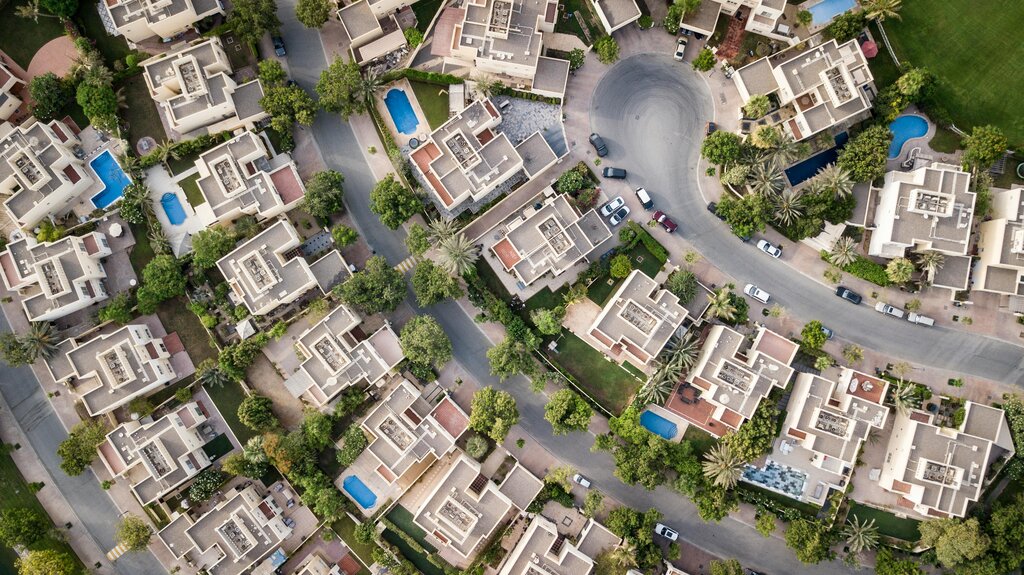
Luxury is a defining feature of the market. Branded residences, associated with high-end hotel or fashion brands, offer exclusive services and a mark of prestige. Waterfront properties, whether overlooking the Arabian Gulf from a Palm Jumeirah villa or the canal in Business Bay, remain consistently in high demand. Recently, there's been a growing interest in "green" communities that prioritize sustainability, parks, and a healthier lifestyle.
A Global Neighborhood
With over 200 nationalities calling Dubai home, the city's real estate market is a true melting pot. This cultural diversity isn't just a demographic statistic; it actively shapes the properties that are built and sold. Expatriates make up the vast majority of the population and are the primary drivers of the property market.
Different nationalities often have distinct preferences. For instance, buyers from South Asia might prioritize larger homes that can accommodate multi-generational families and communities with strong social infrastructure. European expats may prefer modern, minimalist apartments in bustling urban centers with easy access to restaurants and nightlife. Developers are keenly aware of these nuances. Some new projects feature designs inspired by specific architectural styles, like Spanish-style villas or apartments with Far Eastern interior design principles, to appeal to specific buyer segments.
In Dubai, a property isn't just a set of rooms. It's a lifestyle package designed to appeal to a global citizen.
The influence of these expatriate communities extends beyond design. They create demand for specific types of amenities, such as certain international schools, cultural centers, or specialty grocery stores. A neighborhood's character is often defined by the nationalities that dominate it, creating vibrant, multicultural enclaves across the city.
Let's check your understanding of Dubai's real estate landscape.
What pivotal government decision in 2002 was a major catalyst for Dubai's real estate boom?
Dubai's large and diverse expatriate population primarily influences the real estate market by...
Understanding these market dynamics—from its rapid history to its multicultural buyer base—is the first step in successfully navigating Dubai's unique property world.